WOB

Question
How can we lower the friction of water access to turn individual recreation into a modular social experience?
Medium
Industrial Design, Visual, Film, Software
Year
2026
Role
Industrial Designer / Naval Architect / Creative Director / Filmmaker
Skills
Industrial Design, Product Engineering, Rhino, Blender, Generative AI, Brand Identity, Software Development, Filmmaking, Systems Thinking
3D Game

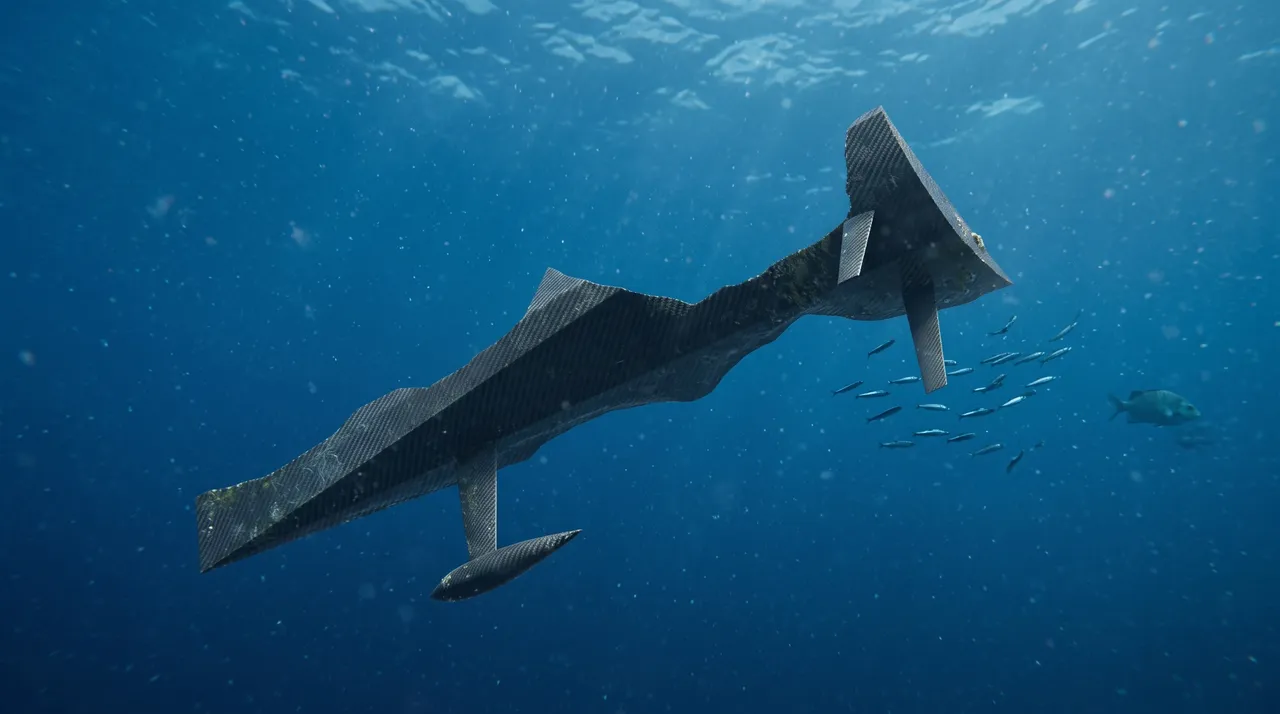
WOB is a modular, lightweight micro-catamaran designed for effortless transport on a car roof and rapid social assembly on the water.

Details

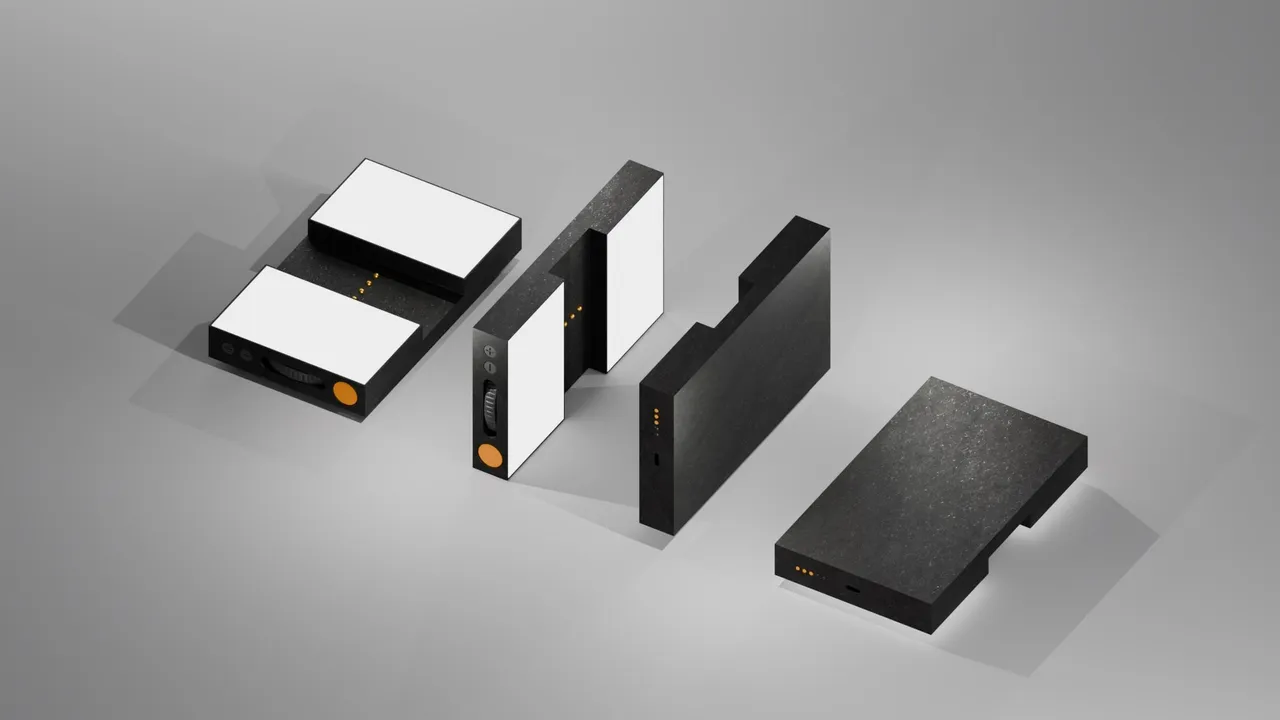
The project reimagines personal watercraft through the lens of naval architecture and industrial design, featuring a 3×3 modular grid that allows for customizable deck layouts.

Engineered for zero-tool assembly in under 8 minutes, WOB enables users to connect multiple units into floating islands, bridging the gap between individual mobility and collective recreation.
Process

  1. Conducted field research and ideation to identify common pain points in existing water bicycle designs and transport logistics
  2. Developed a modular structural system in Rhino, adhering to strict weight constraints for standard car-roof transport
  3. Validated ergonomics and tactile assembly through 3D-printed scale miniatures and physical prototyping of the Quick-Pin hardware
  4. Engineered the hydrodynamic profile and weight schedule to ensure stability and safety across various loading scenarios
  5. Created a comprehensive brand identity and photorealistic visualizations using Blender and generative AI models
  6. Developed a browser-based sailing simulator to test steering intuition and user flow before full-scale production

What sparked the impulse behind WOB, and where did the idea come from that water recreation needed to shift into something more social and accessible?

Visits to boat shows in Poland and Oslo made me think about how expensive boat ownership is, and how little exists between a cramped paddleboard and a full boat. Used boats might be cheap initially, but storing and managing them is a nightmare.

I realized there is huge unutilized potential for something like a water bicycle, but with real ownership, personality, and modular customizability. Most watercraft isolate people or jam them into tiny footprints with zero room to expand.

Water is such a unique medium—I wanted to figure out how we could make experiencing it social, modular, and affordable on a modest budget.

How did you settle on the micro-catamaran and the 3×3 grid, and what was the hardest constraint in keeping it car-roof friendly?

I let the golden ratio guide the geometry, choosing a rectangular catamaran form for maximum stability on lakes. Originally, I designed it to be four meters long with many more modules.

But after testing the logistics, I realized it would be impossible to transport—a standard car roof rack was the absolute bottleneck. That forced me to make the floats demountable and keep the frame strictly transportable.

That constraint reinforced my belief in modularity: many people or rental clubs can own the identical frame, but configure totally different deck modules depending on the day's context.

When individual platforms meet on open water, weight shifts and waves can cause friction. How did you design the craft so connecting them feels effortless?

The connections between platforms are elastic and flexible, made using ropes secured along the perimeter railing. You can simply lift a line to dock or detach.

Having that flexibility, paired with a full-length bumper around the frame, keeps the platforms from clashing rigidly. Because the catamaran hull design maintains high inherent stability, the platform resists excessive rolling, allowing people to form smooth, comfortable multi-unit floating islands without complicated hardware.

Before building full-scale, you tested the concept with 3D-printed miniatures at boat shows and built a browser-based sailing simulator. What did that hands-on feedback uncover?

Printing scale models—up to a 7% scale miniature—helped me physically grasp how the modules, the azipod, and the hand-crank steering column needed to interact. Taking that physical miniature to the Oslo trade show sparked immediate conversations, especially with marina and port builders who recognized the modular logic.

Meanwhile, the browser sailing simulator allowed people to test the unique steering intuition: pedaling with your hands while rotating a central column to aim the propulsion.

Prototyping in both media allowed me to rethink the drive and steering systems before cutting metal.

Where does traditional marine design fall short when it comes to everyday water access?

Naval architecture and shipyards usually take huge assumptions for granted: that you already have a berth, a winter storage yard, and a large vehicle with a trailer. But if a craft isn't effortlessly transportable and easy to assemble in minutes, most people simply won't use it.

The industry also tends to build monolithic, solitary vessels tailored to high budgets. They rarely design for modular, shared platforms that can be printed or adapted locally.

That blind spot is where modern industrial design and scalable manufacturing can completely reshape how cities relate to water.

You imagine WOB as an open ecosystem where anyone can 3D-print modules using recycled plastic. How do you balance open community customization with strict stability physics?

Weight and stability are the ultimate boundary conditions. A user shouldn't need a naval architecture degree, but the physics can't be ignored—if you overload a platform, it sinks.

As the designer, my role is engineering safety into the core architecture: building multi-chambered floats so a puncture won't submerge the craft, and exploring counterweight systems, like sliding rail ballasts that dynamically offset shifting loads.

Once those fundamental safety envelopes are solved, community freedom begins. People can design and print whatever fits their ritual, from a solitary workstation to floating party pods.

At its heart, what is the visceral feeling you want someone to have when they step onto this platform?

I want them to feel an expansive sense of possibility. If you take it out alone at sunrise, you have complete tranquility—a stable deck to read, work on a laptop, or just exist on the water.

But the second you see another platform out there, there's this instant, playful excitement that you can paddle over, tie off, and construct something bigger together. It's ultimately about transforming water from a space of isolated luxury into a medium for human connection.

See other projects

Aeolus / Yacht Design

How can rigorous hydrodynamic modeling inform the aesthetic soul of a high-performance vessel?

Modular Lamp System

How can a modular lighting block become the core of an expandable everyday system?