Modular Lamp System 1
Modular Lamp System 2
Modular Lamp System 3
Modular Lamp System 4
Modular Lamp System 5
Modular Lamp System 6
Modular Lamp System 7
Modular Lamp System 8
Modular Lamp System 9
Modular Lamp System 10
Modular Lamp System 11
Modular Lamp System 12
Modular Lamp System 13
Modular Lamp System 14
Modular Lamp System 15
Modular Lamp System 16
Modular Lamp System 17
Modular Lamp System 18
Modular Lamp System 19
Modular Lamp System 20
Modular Lamp System 21
Modular Lamp System 22
Modular Lamp System 23
Modular Lamp System 24
Modular Lamp System 25
Modular Lamp System 26
Modular Lamp System 27

Modular Lamp System

Question
How can a modular lighting block become the core of an expandable everyday system?
Medium
Industrial Design
Year
2026
Role
Industrial Designer

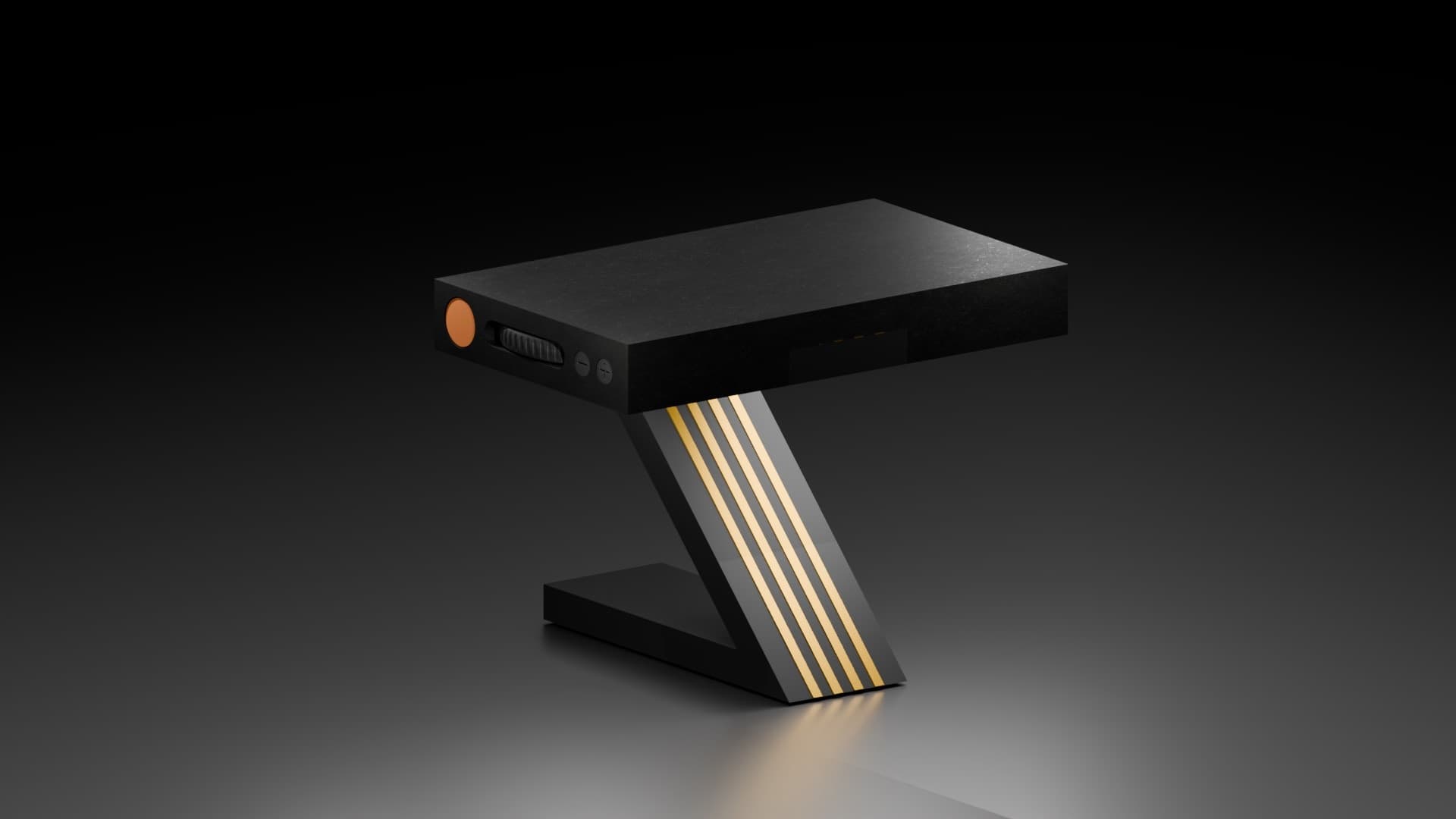
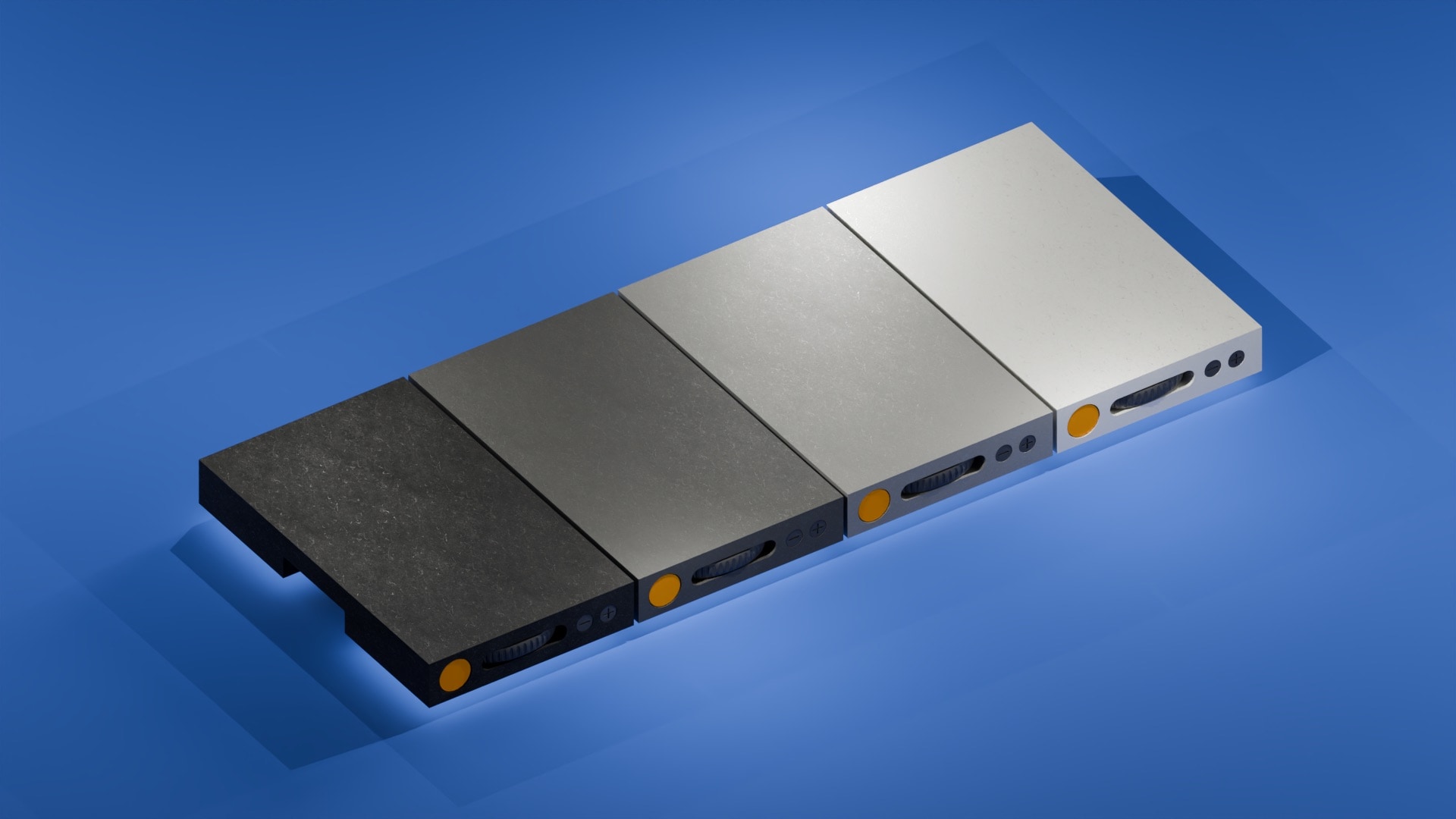
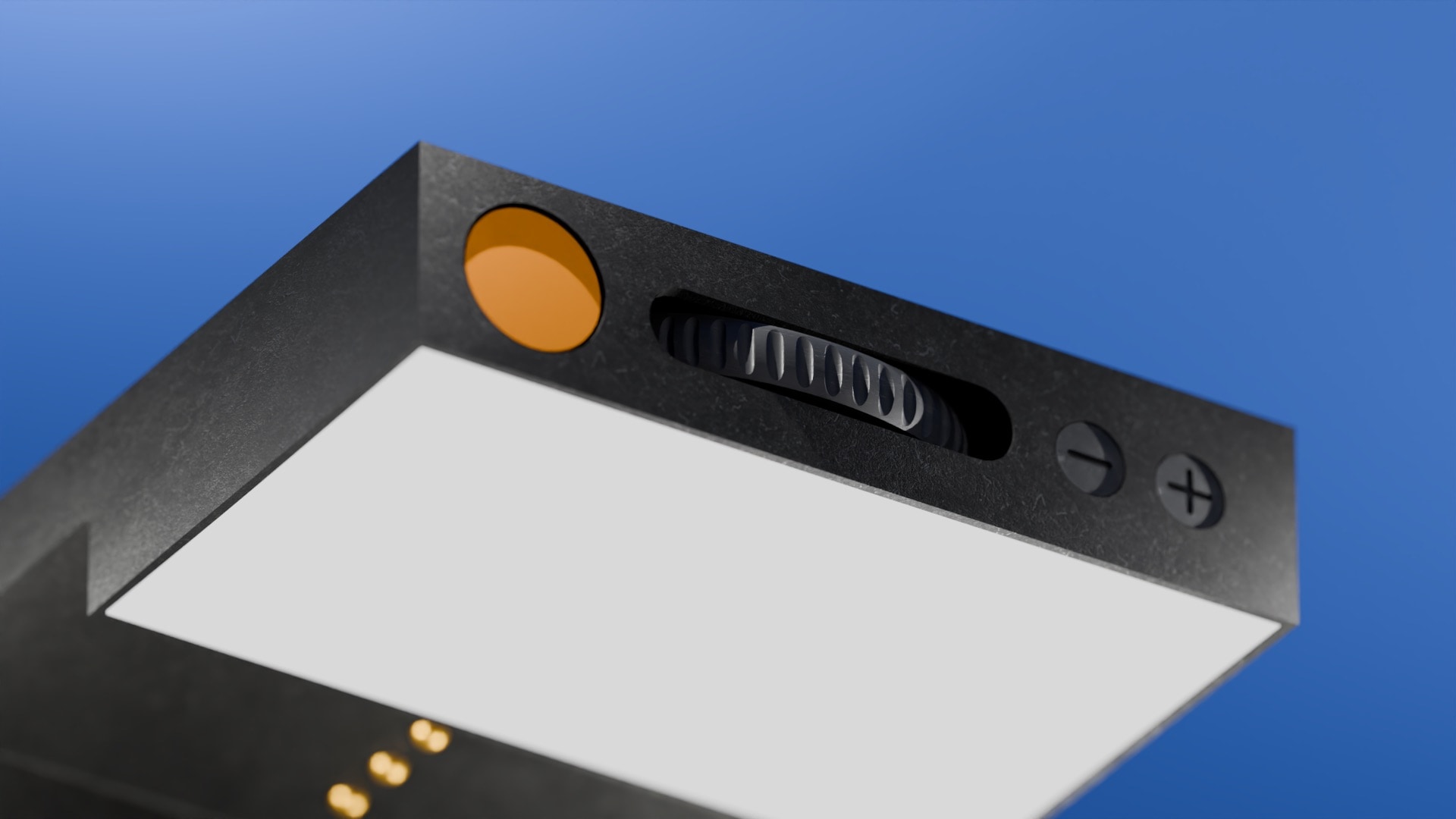
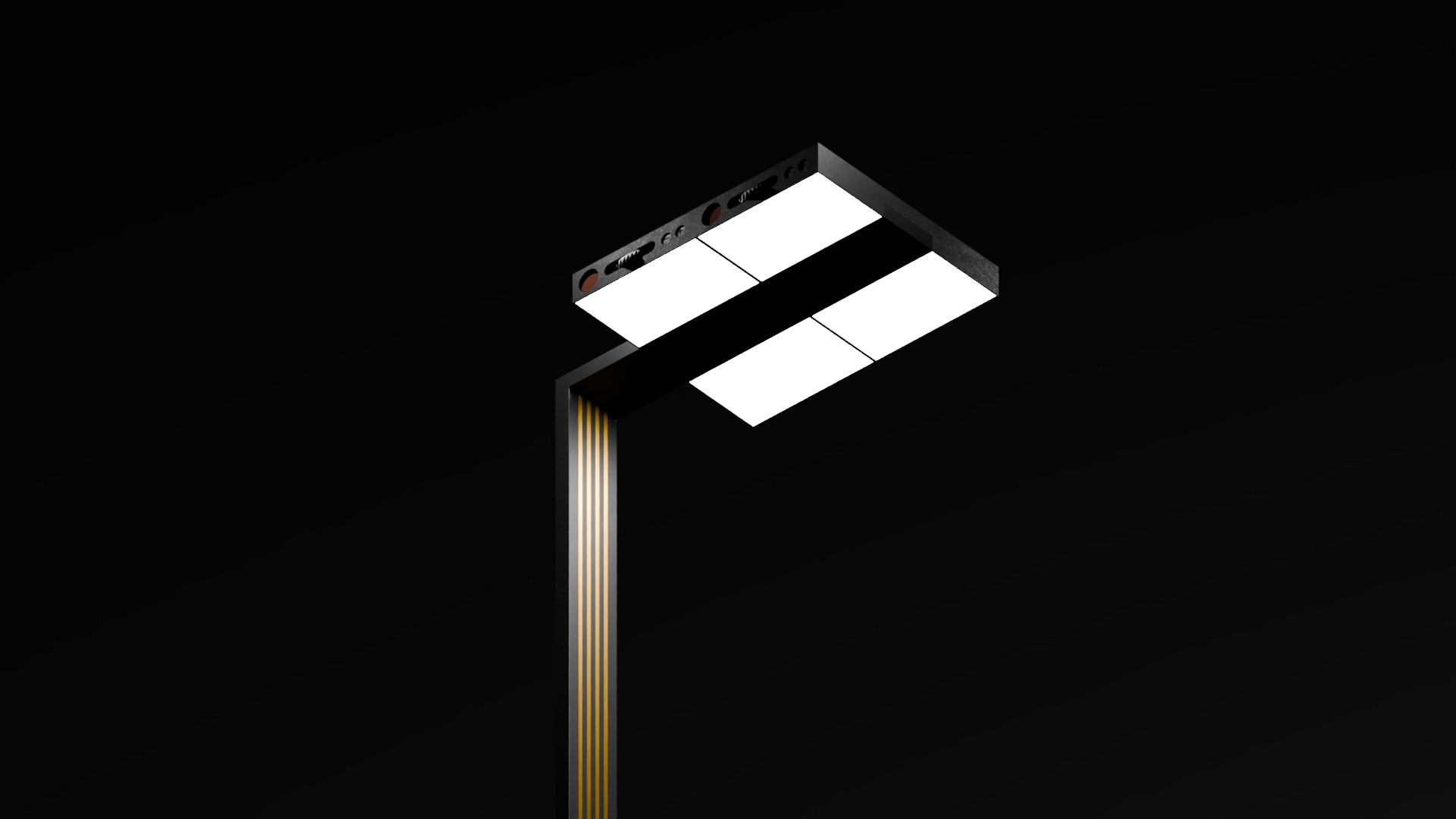
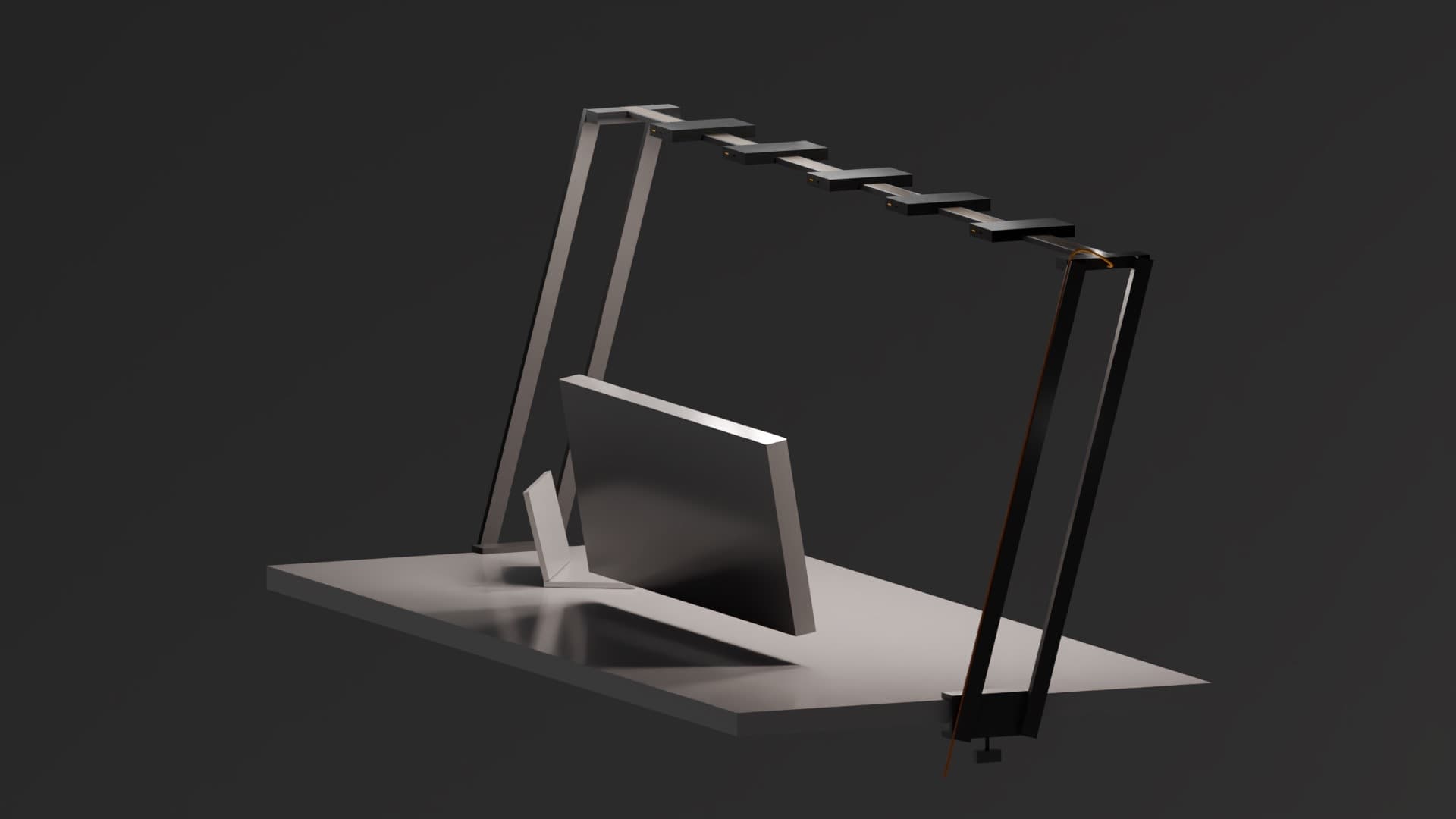
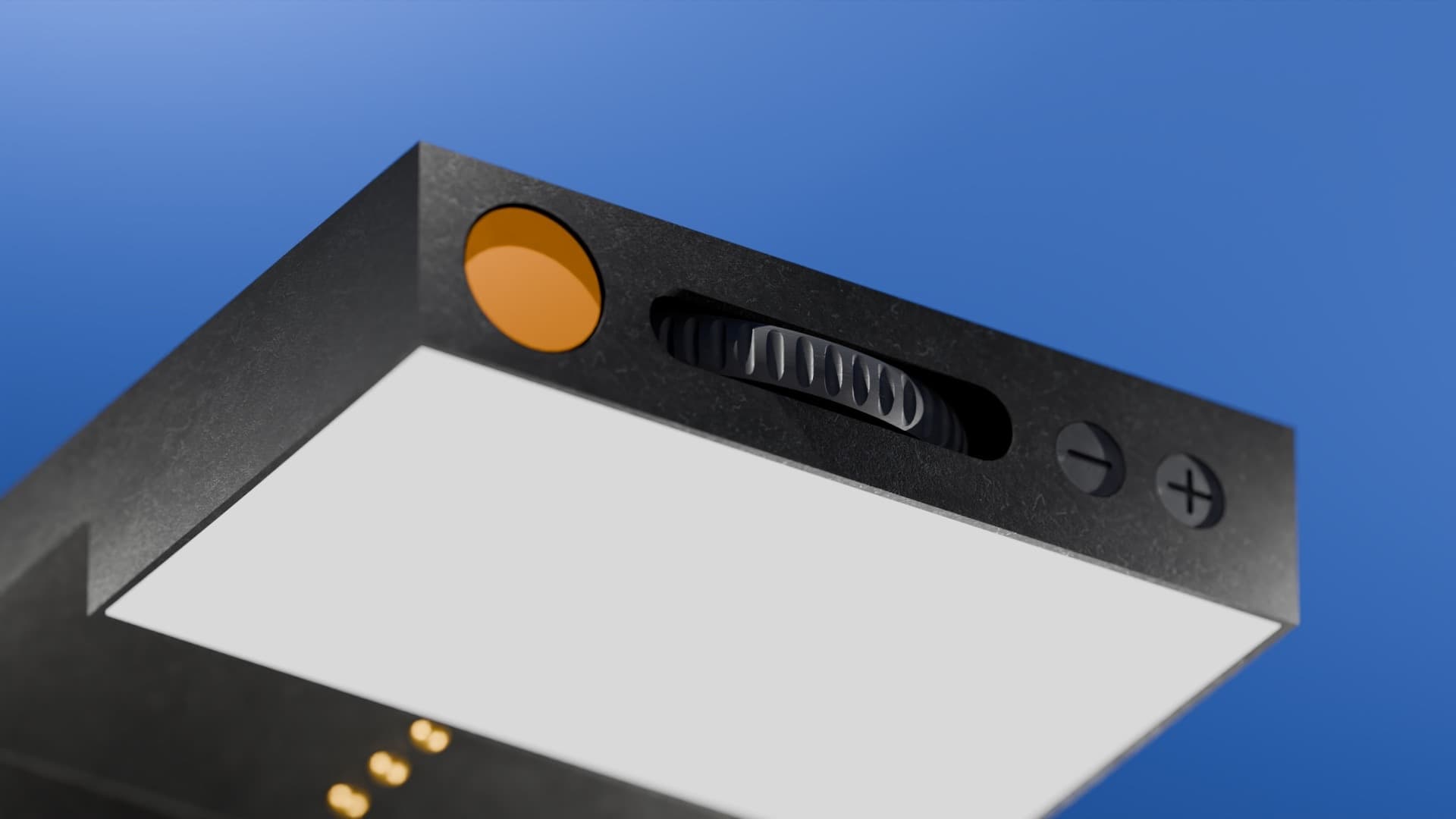
A modular LED lighting ecosystem designed for tactile portability and seamless integration into architectural rails.

Modular Lamp System, project view 2
Modular Lamp System, project view 3

What did you want the Modular Lamp System to make possible that a conventional lamp or your filmmaking light could not?

The idea began with a scene in *Dune*, where a hero walks through a palace and a floating light travels with them. I had been using a small filmmaking light in a similar way for a couple of years. In hotels, on boats, or even while sleeping in a car, it became my nightstand or emergency light. Because I could adjust its color temperature and power, I could make any place look exactly as I wanted. I realized there was no system that supported that kind of modularity. I wanted to create a light whose position and function could change with me.
Modular Lamp System, project view 4
Modular Lamp System, project view 5

What was the central idea you began to build around?

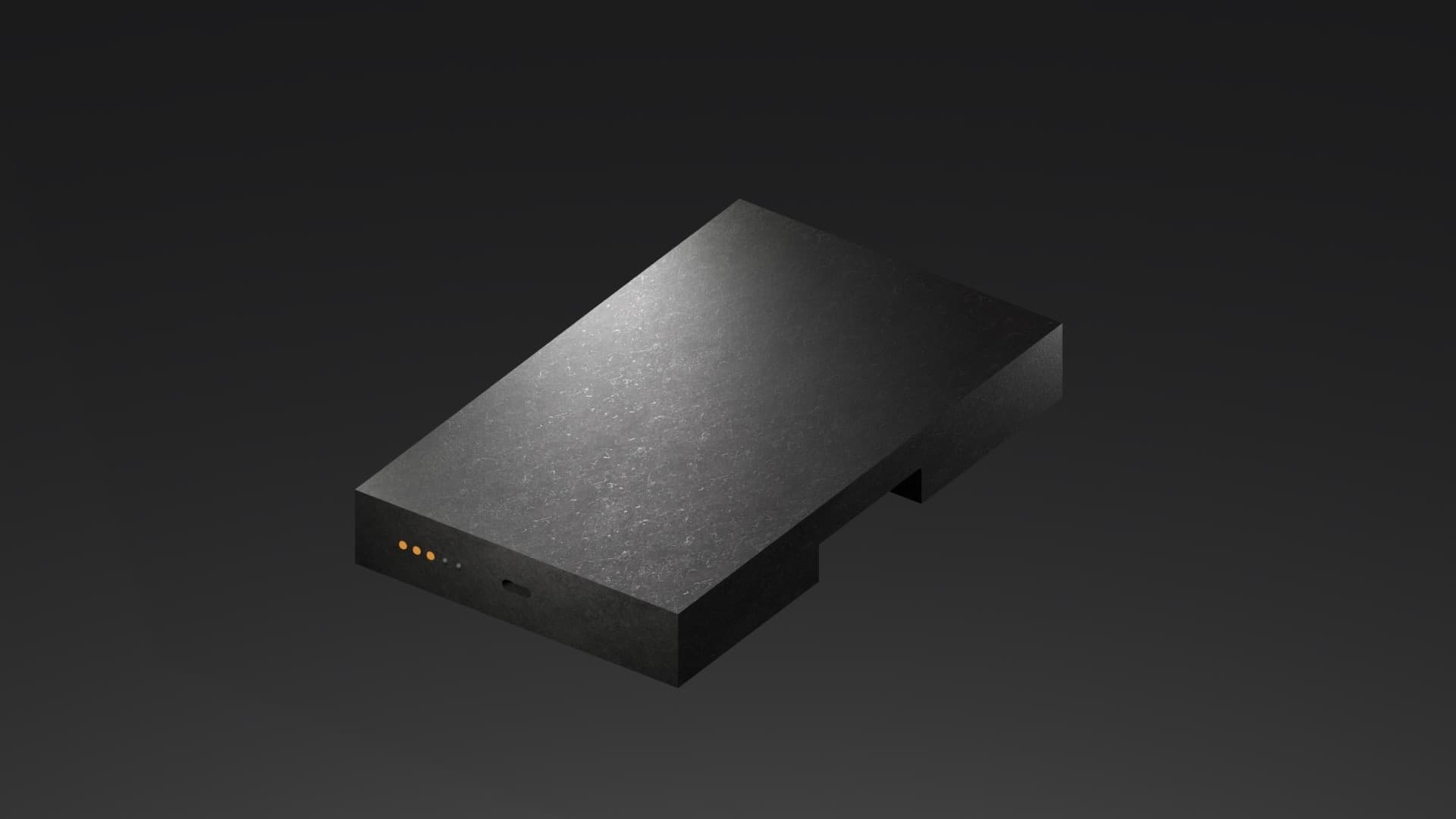
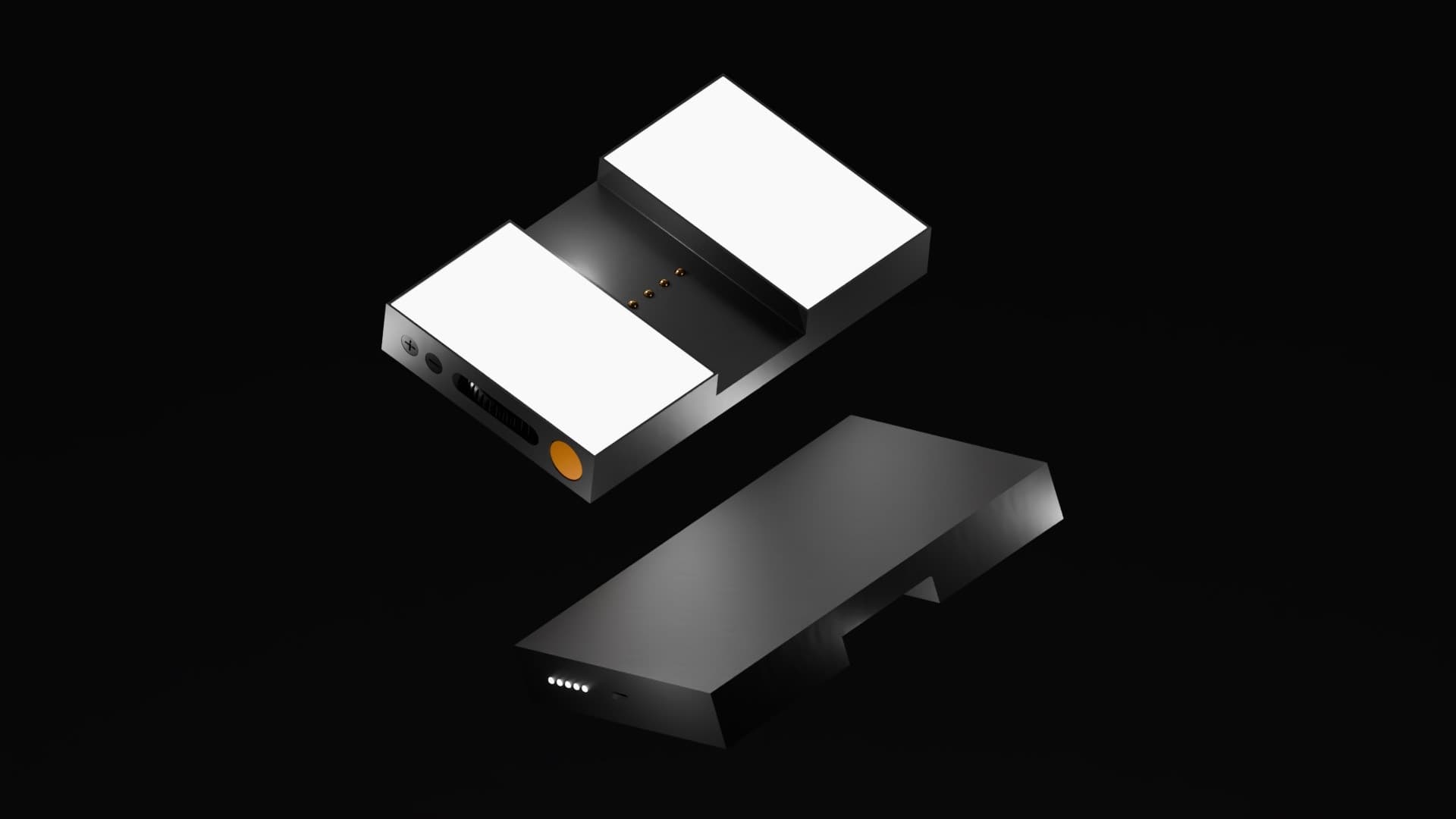
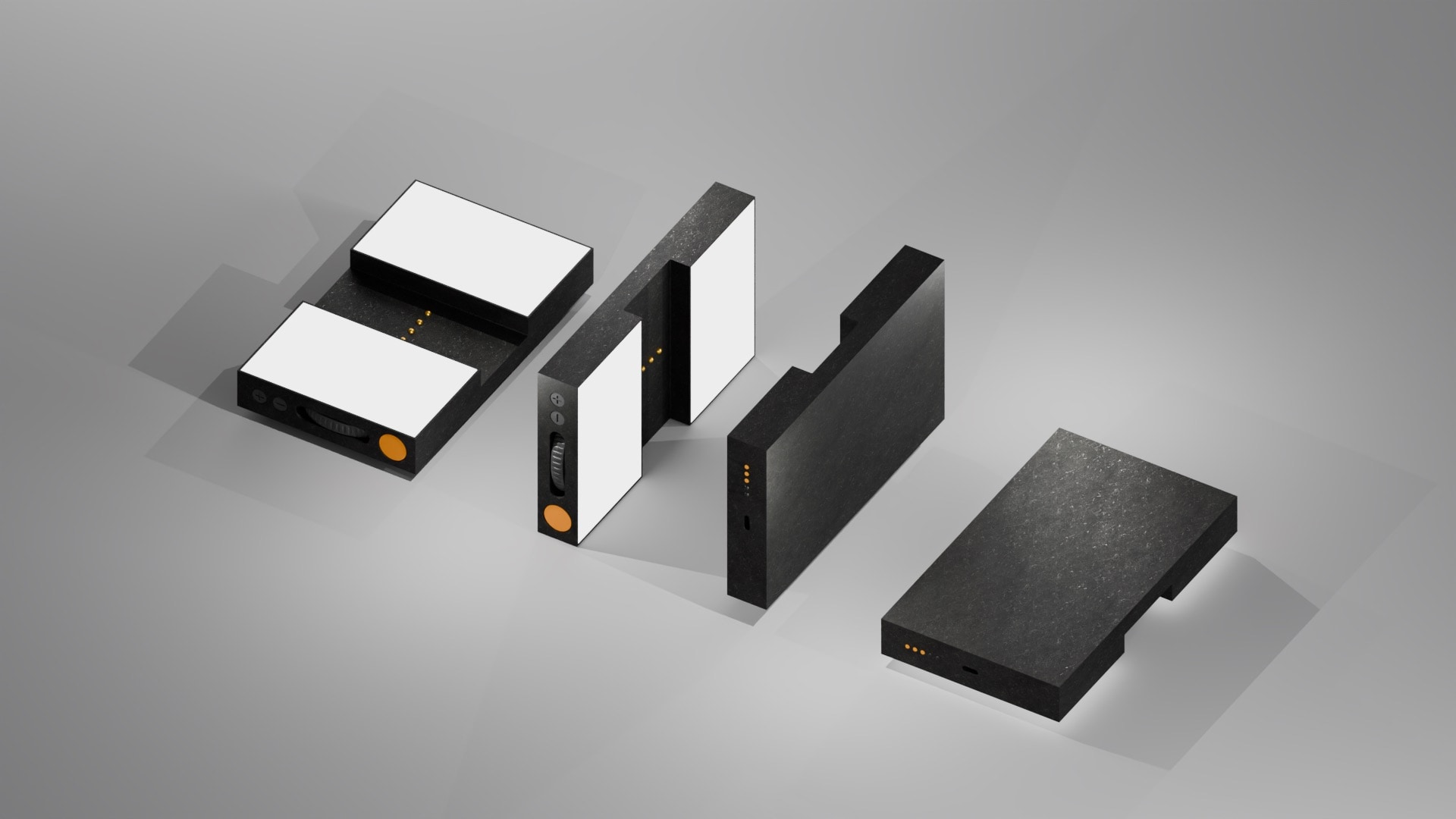
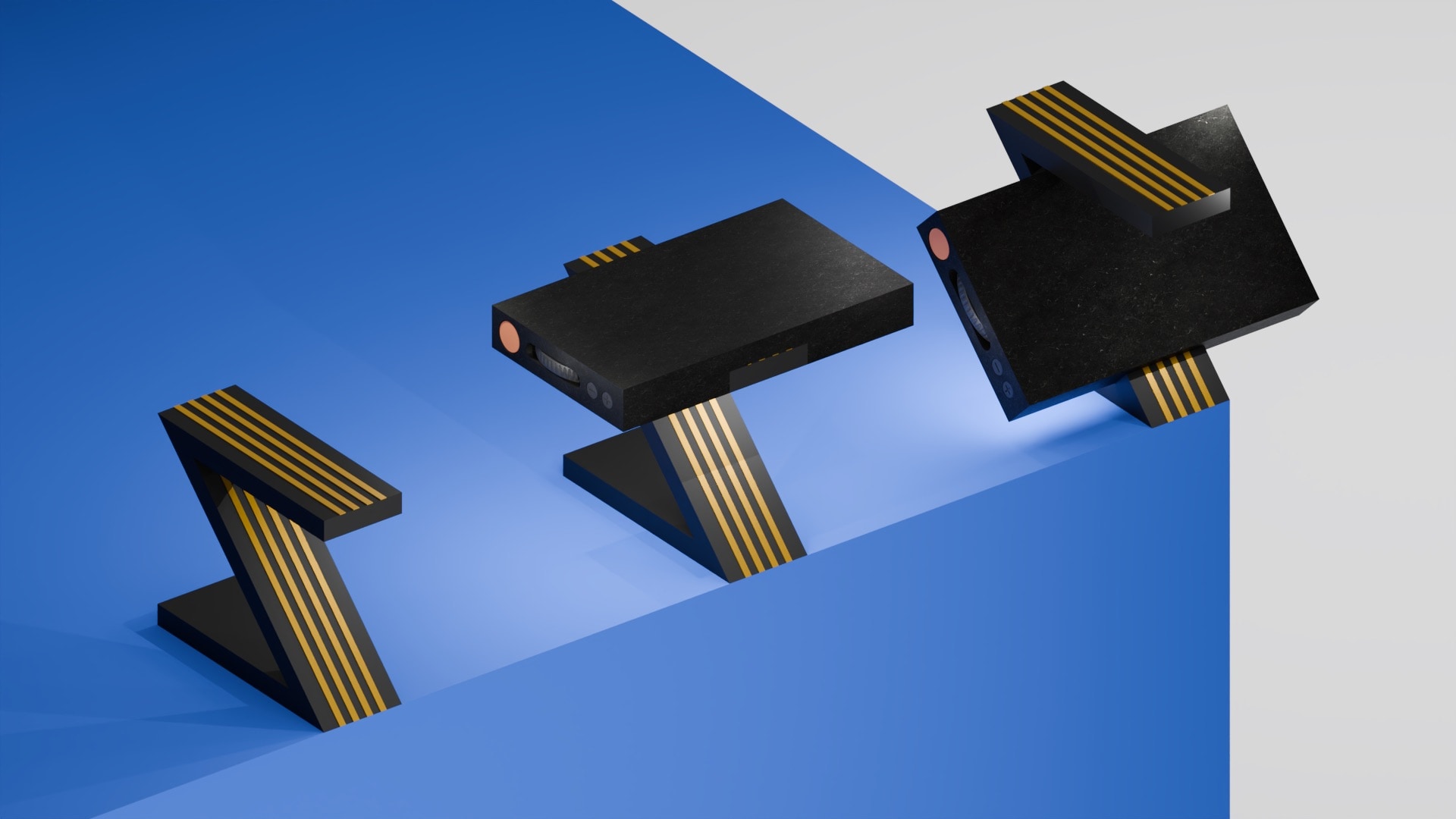
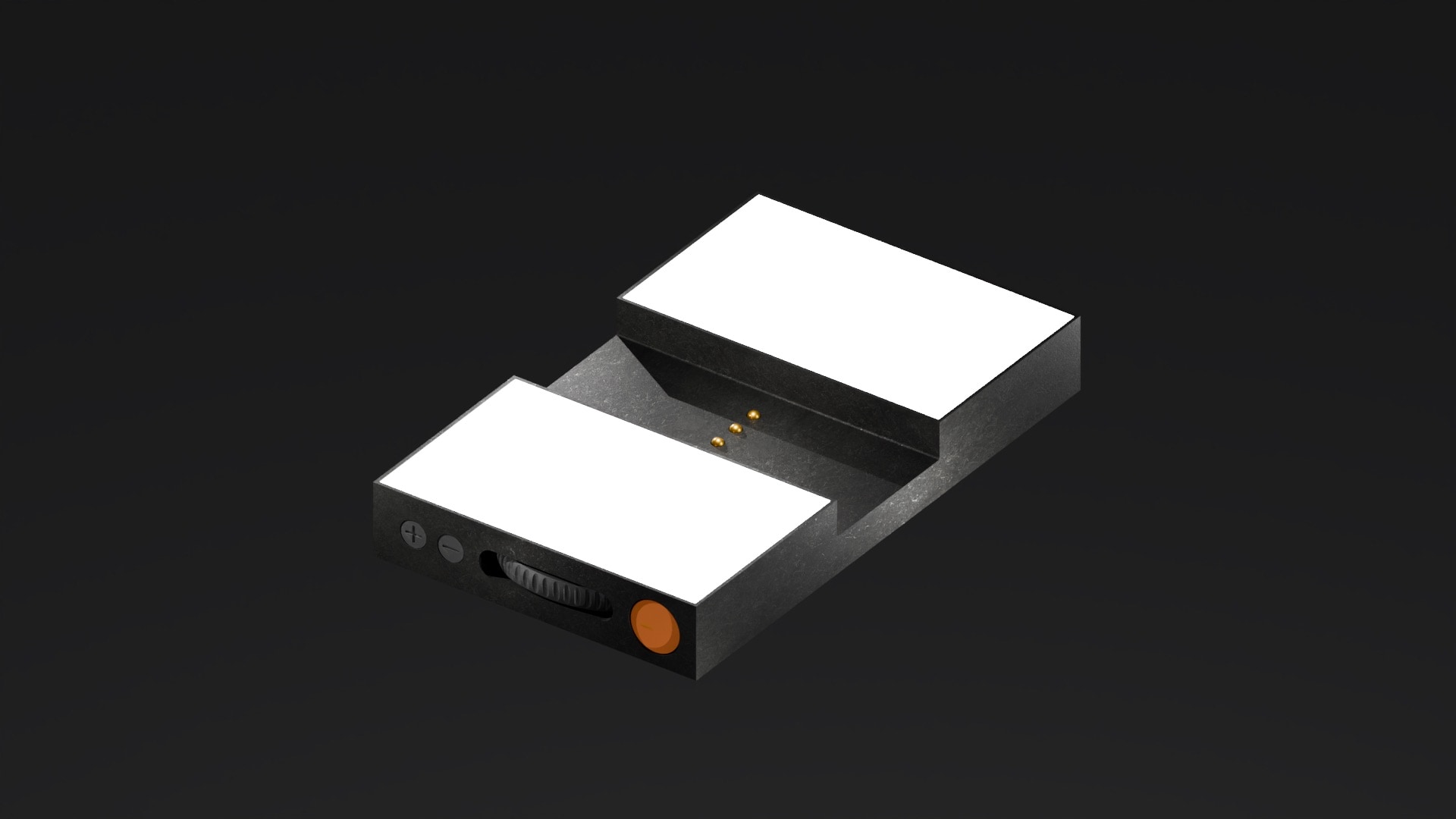
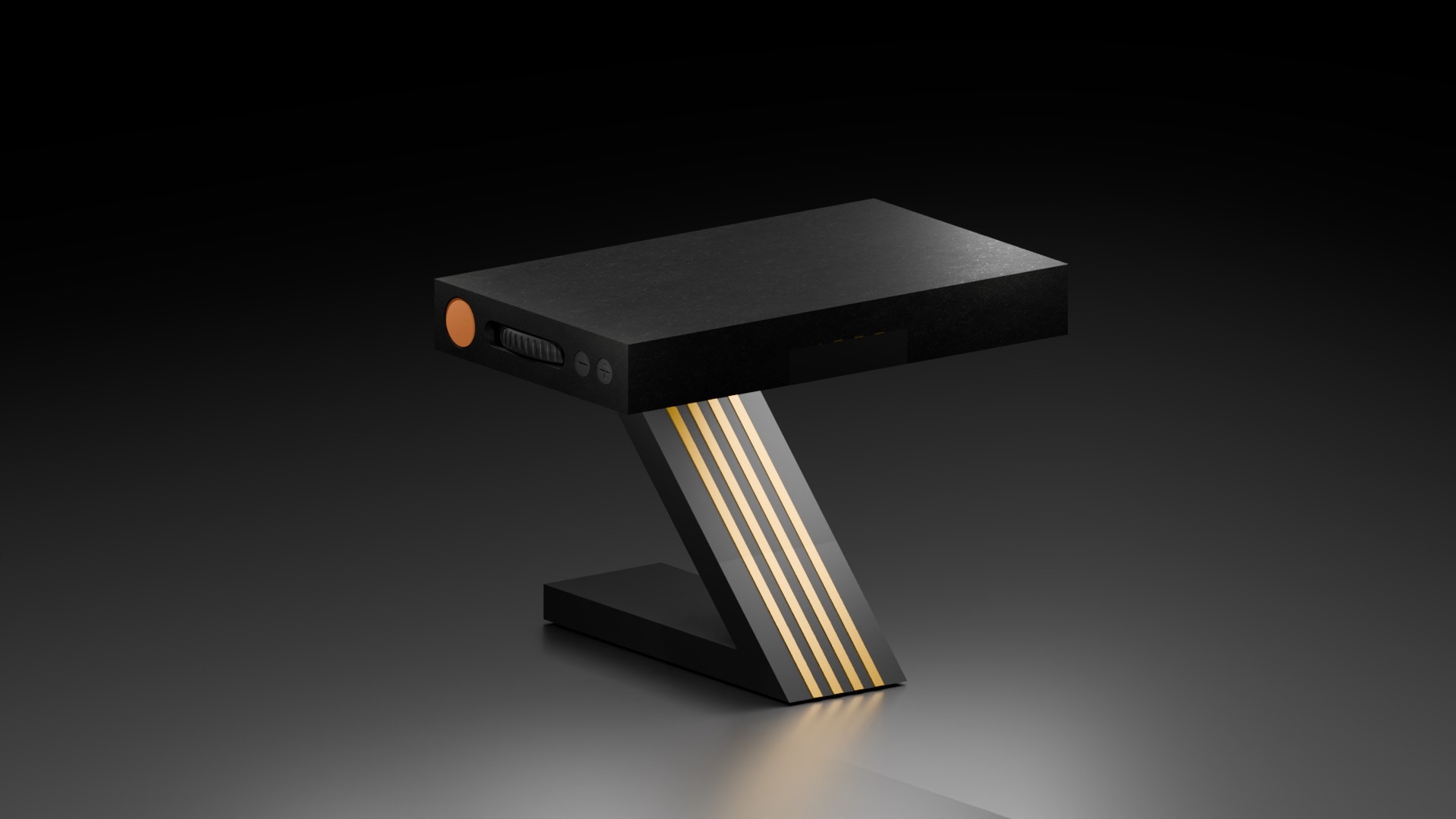
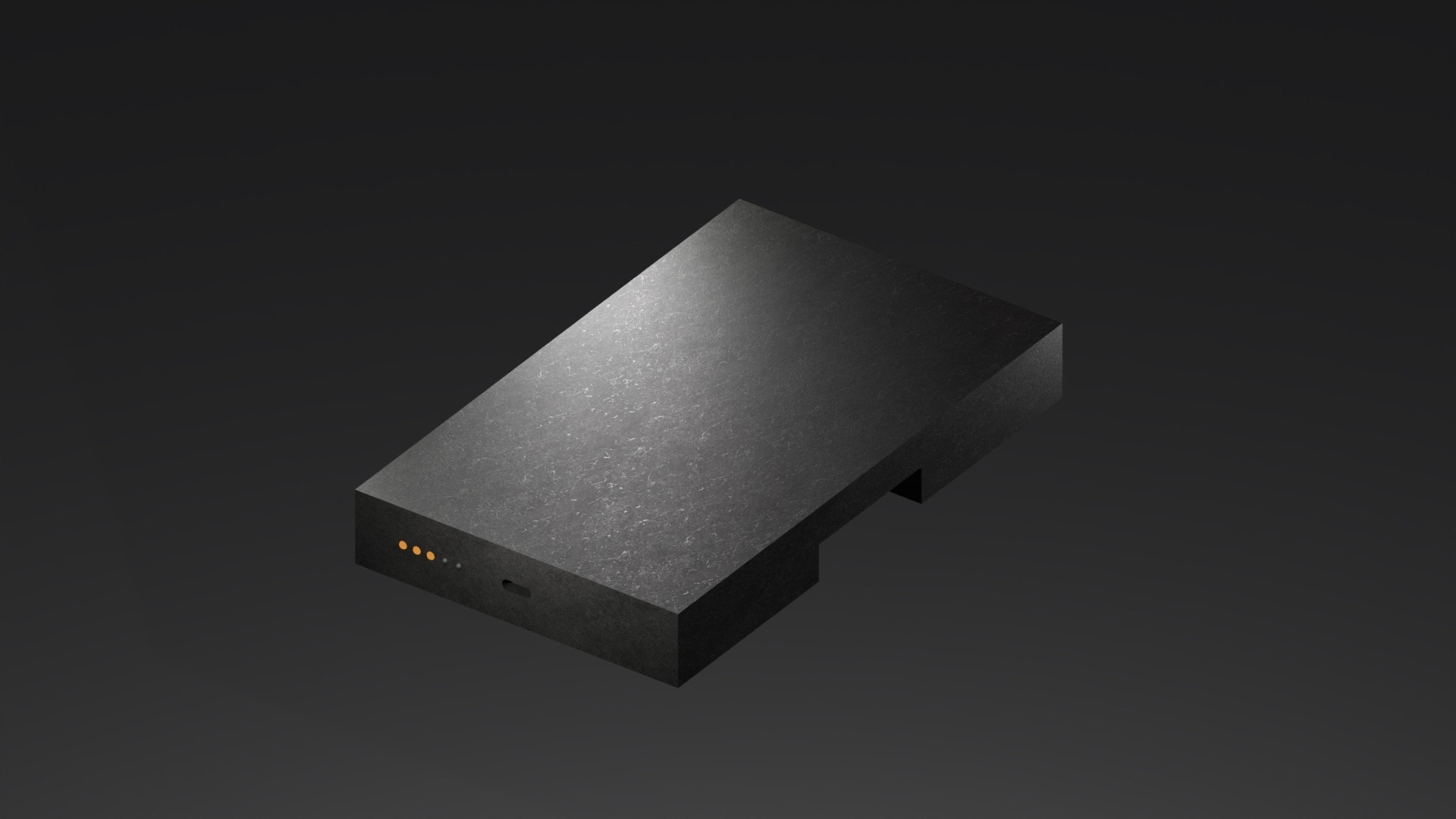
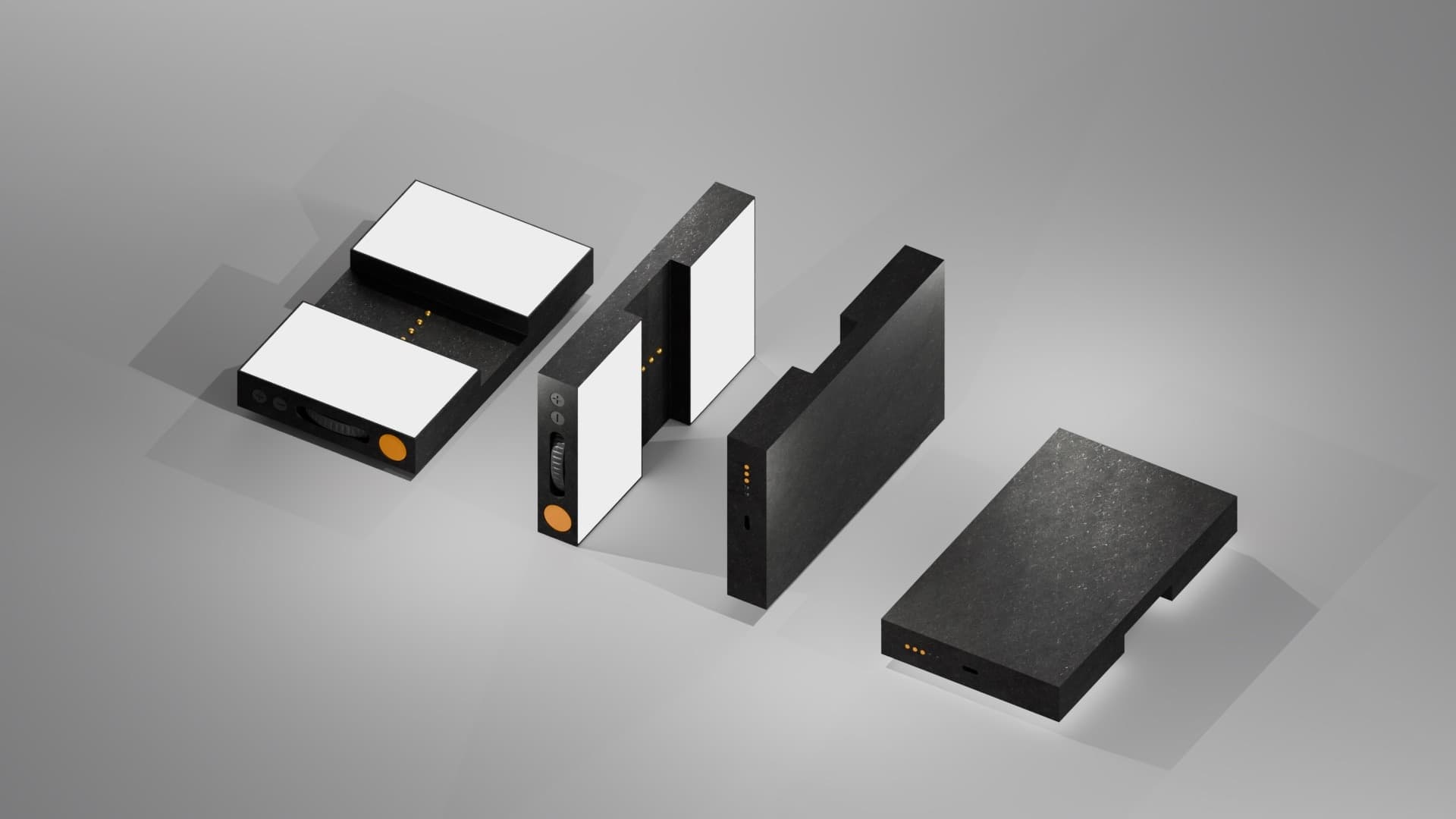
The system would start with a block-design light that could connect to a larger system. The closest existing solution is a tripod, while light bulbs are the nearest modular lighting system—but they do not have their own battery. I wanted a portable light with its own identity and flexibility, supported by hardware that could let it become part of a wider system.

Modular Lamp System, project view 6
Modular Lamp System, project view 7

When did the idea expand from carrying one light to building an entire system around it?

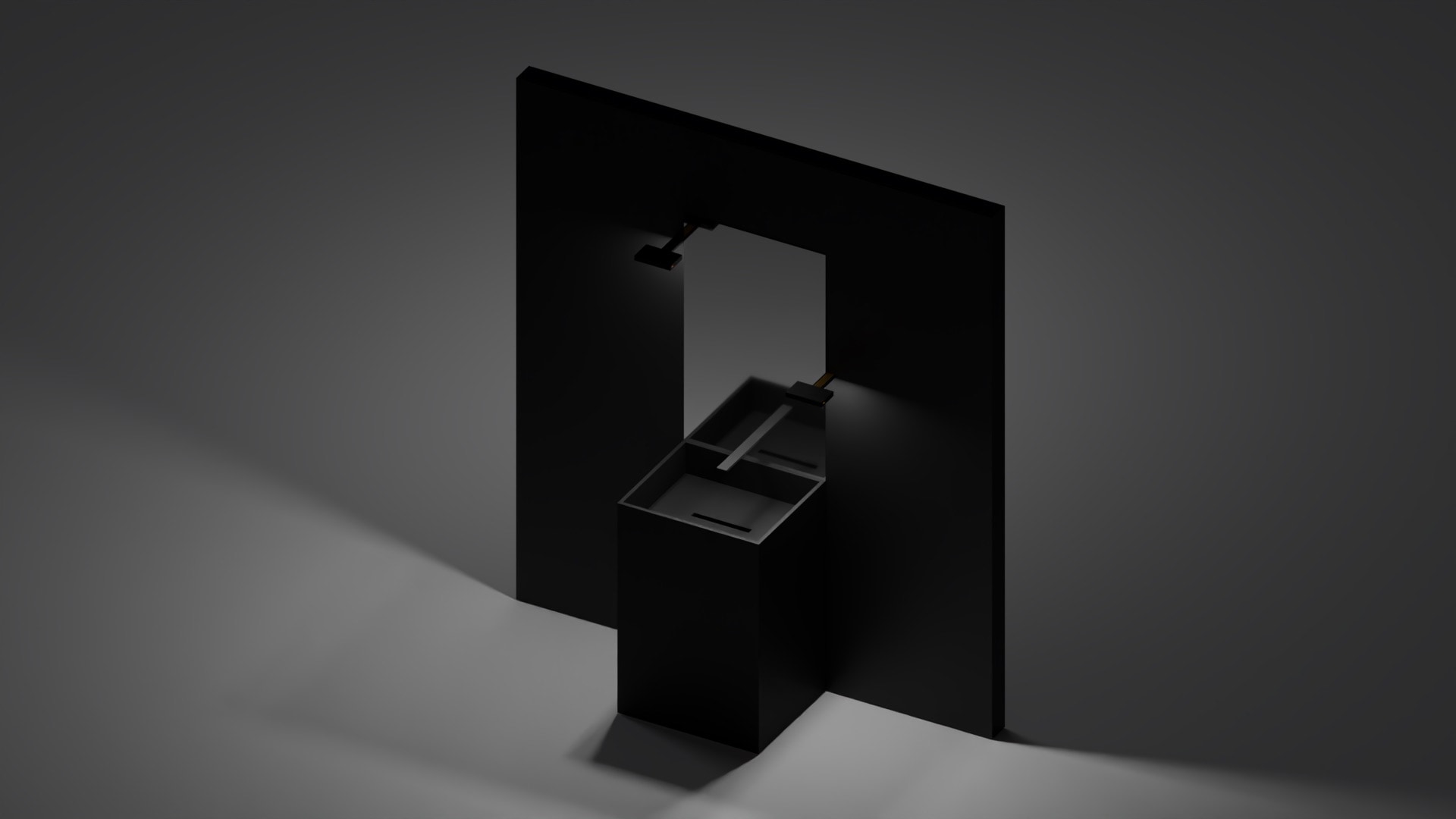
I wanted to provide accessible places where you do not have to think twice about positioning a light. You could take it to a desk, bathroom, or bedroom and immediately have a place to put it in a way you can adjust. Instead of bringing the light and then searching for a surface or stand, the system would travel with the user’s routines.

Modular Lamp System, project view 8
Modular Lamp System, project view 9

What did the system need to contain in order to support that everyday flexibility?

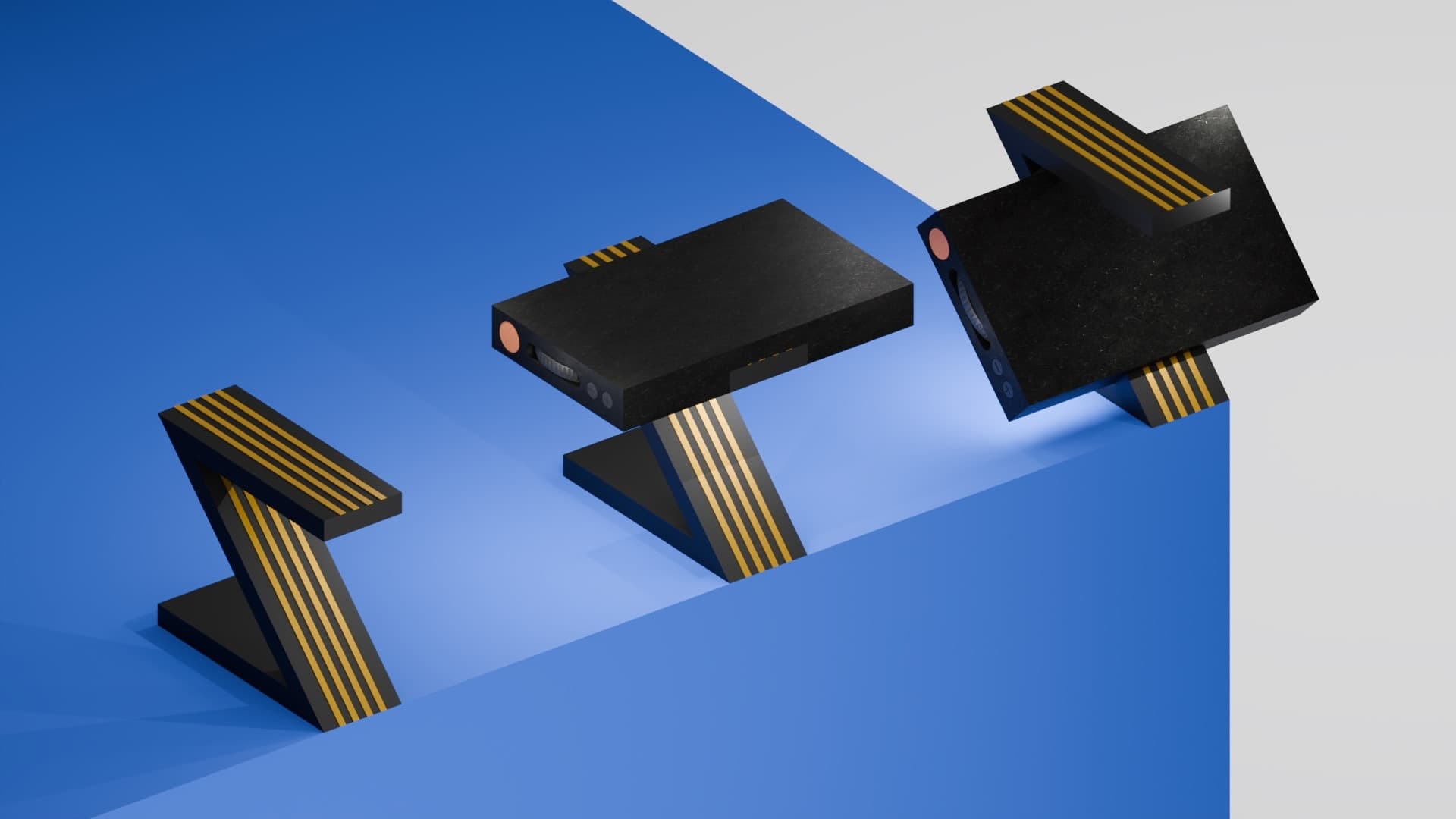
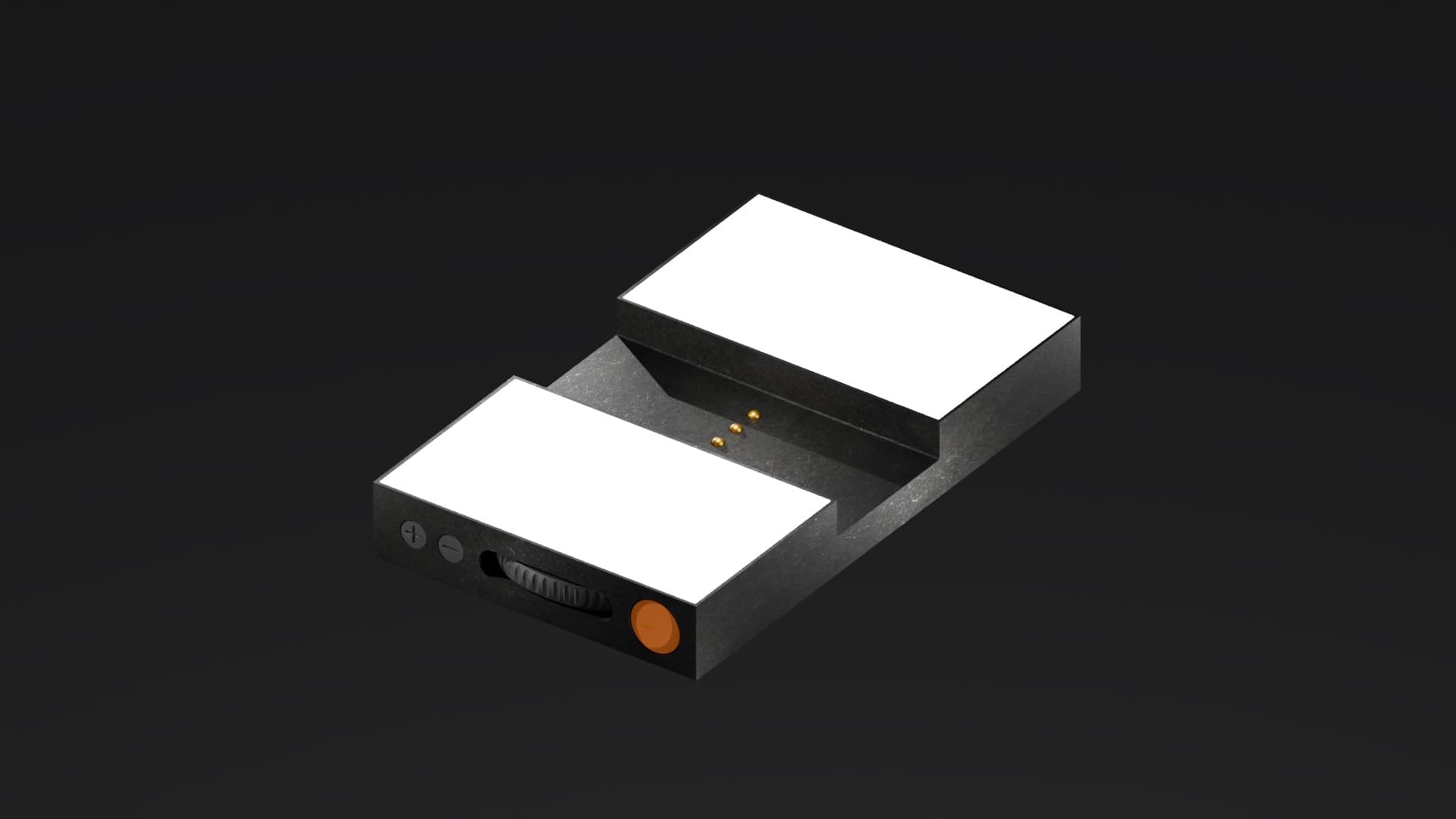
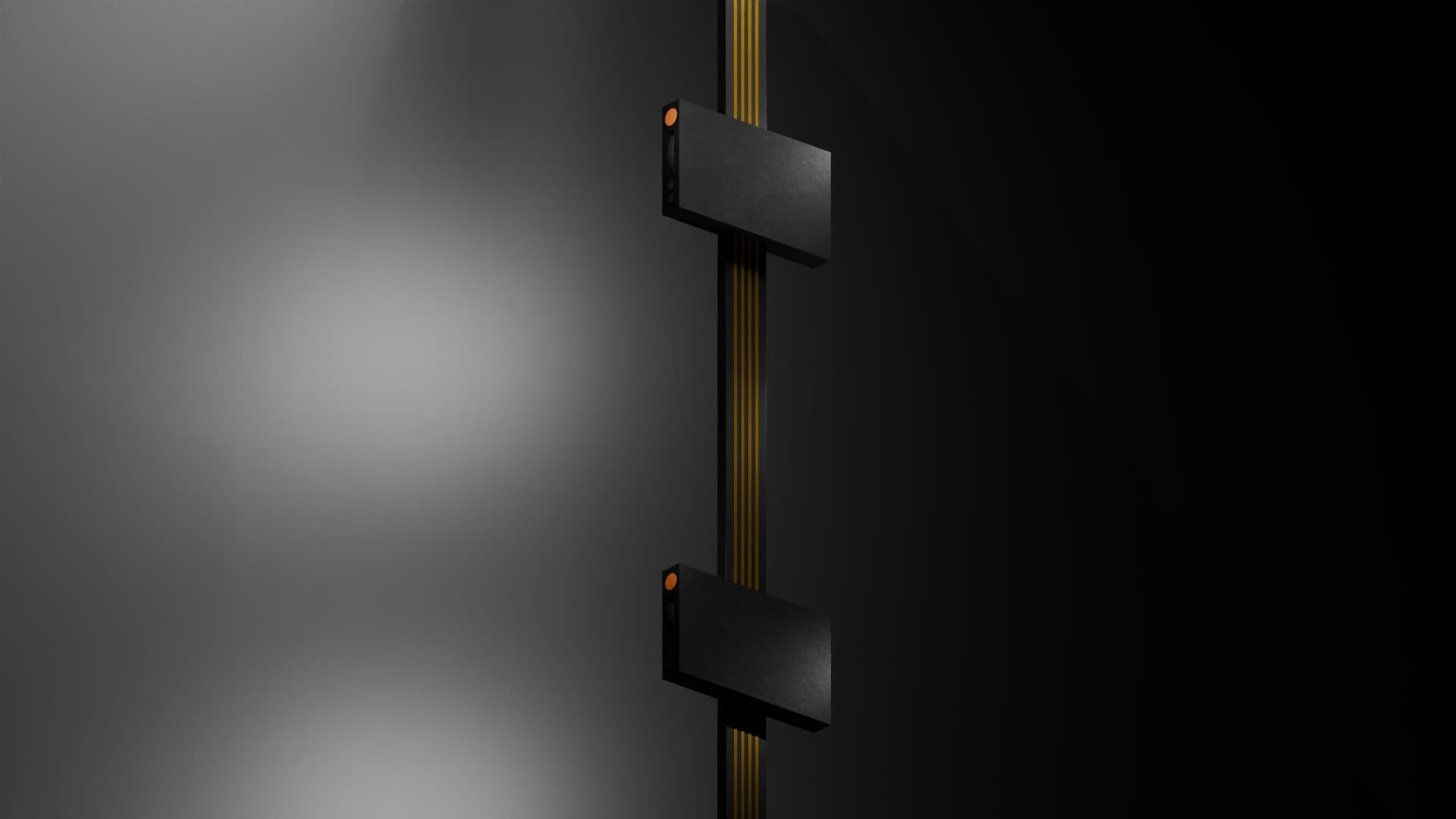
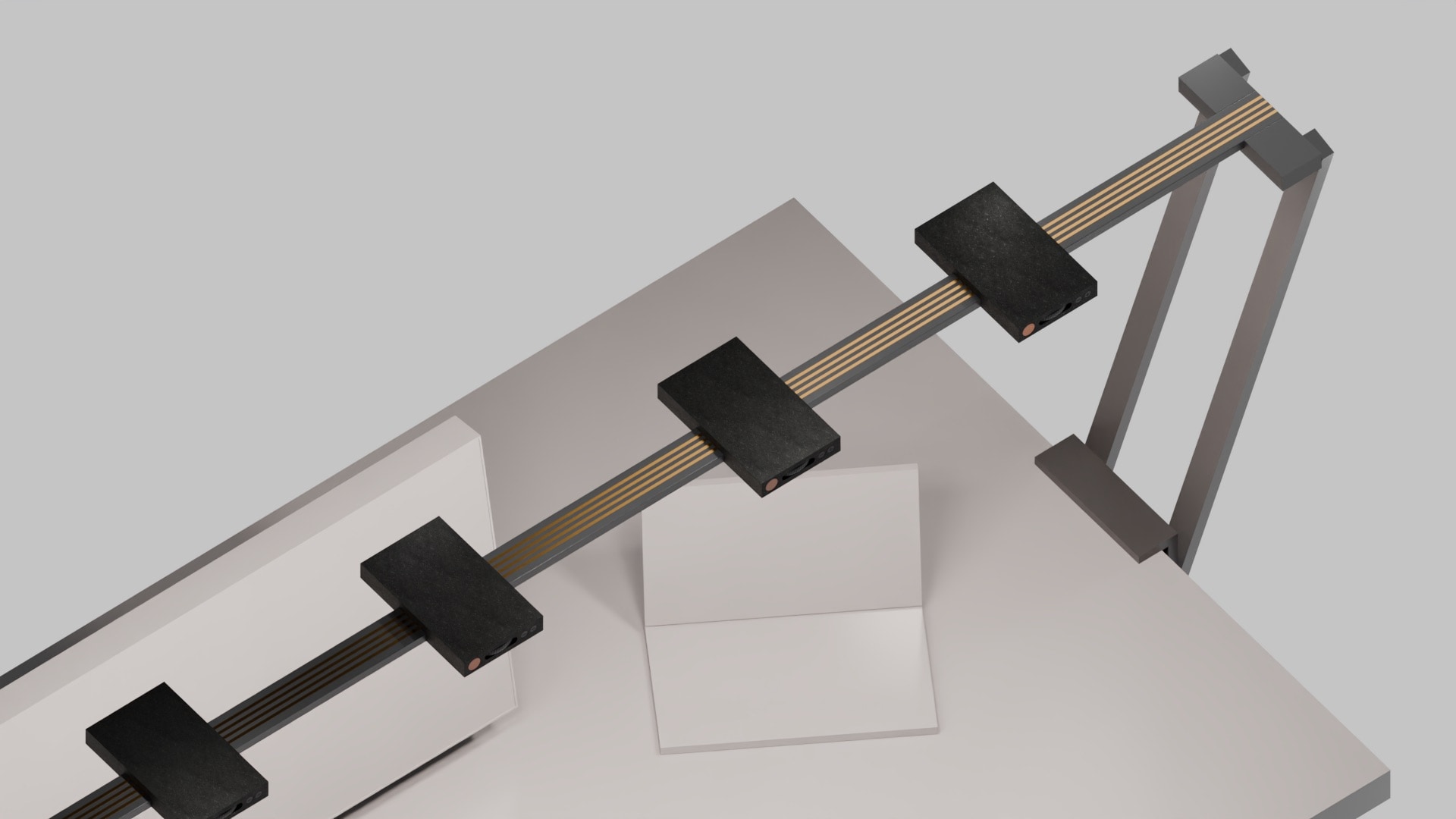
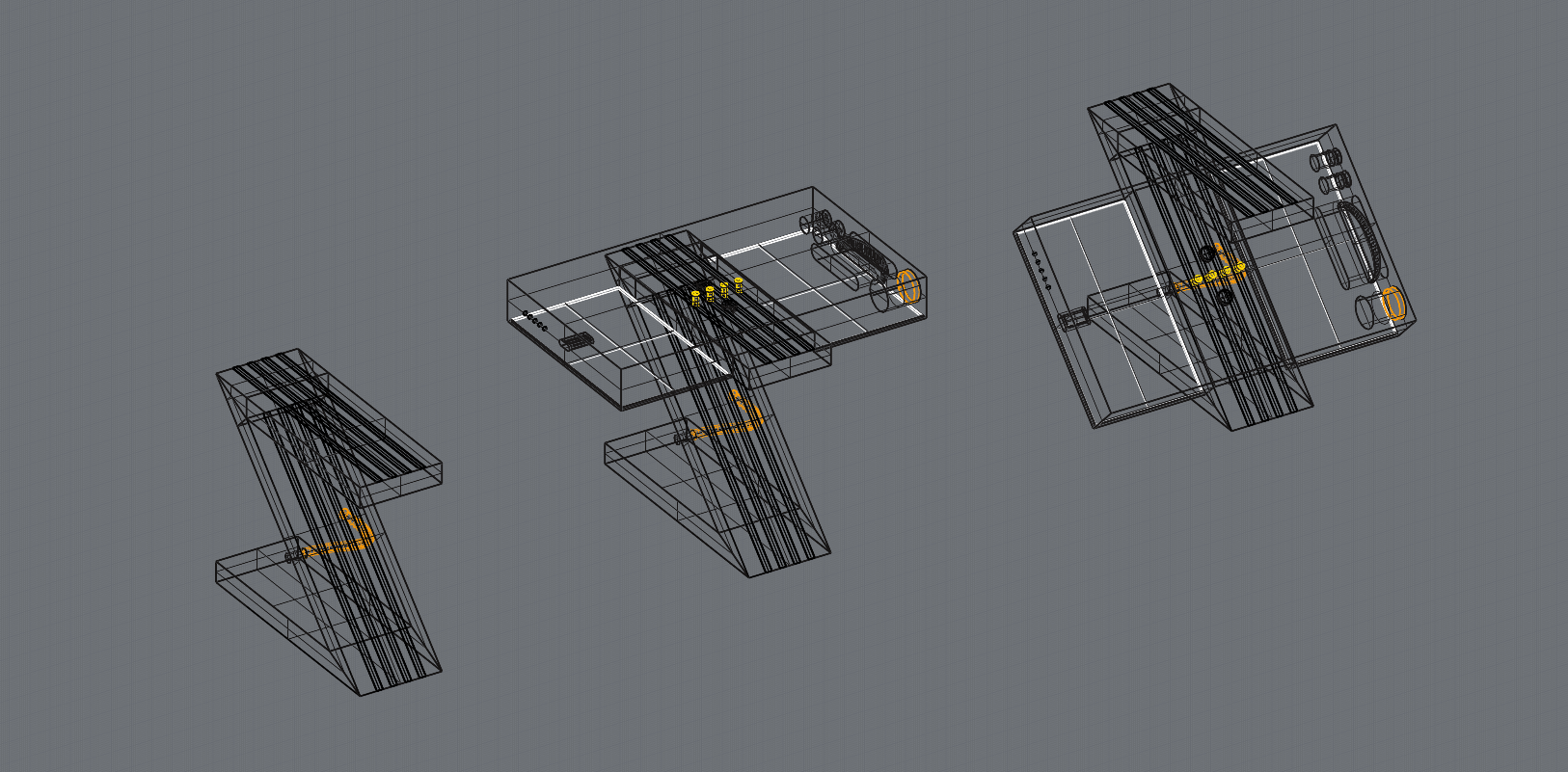
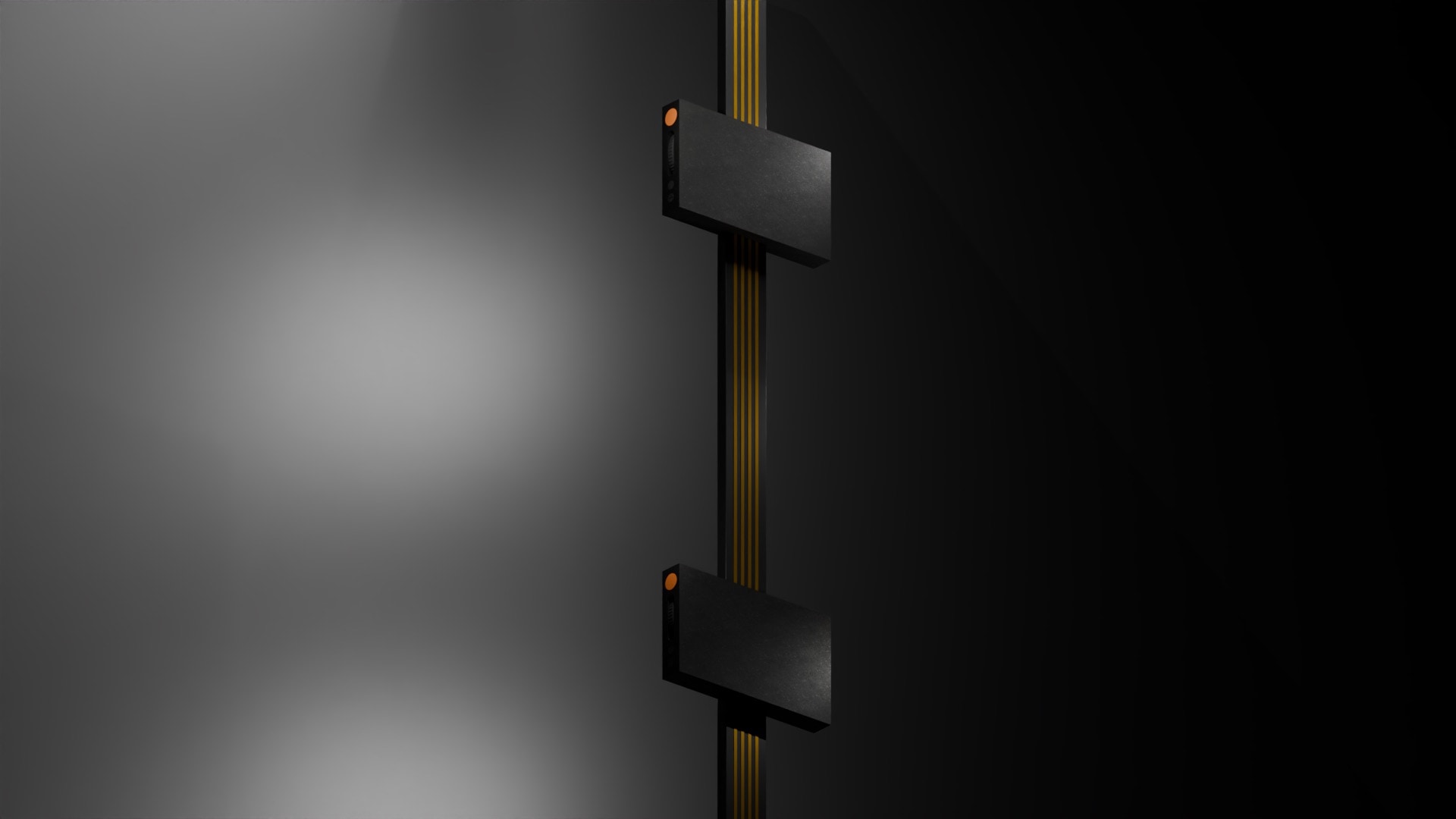
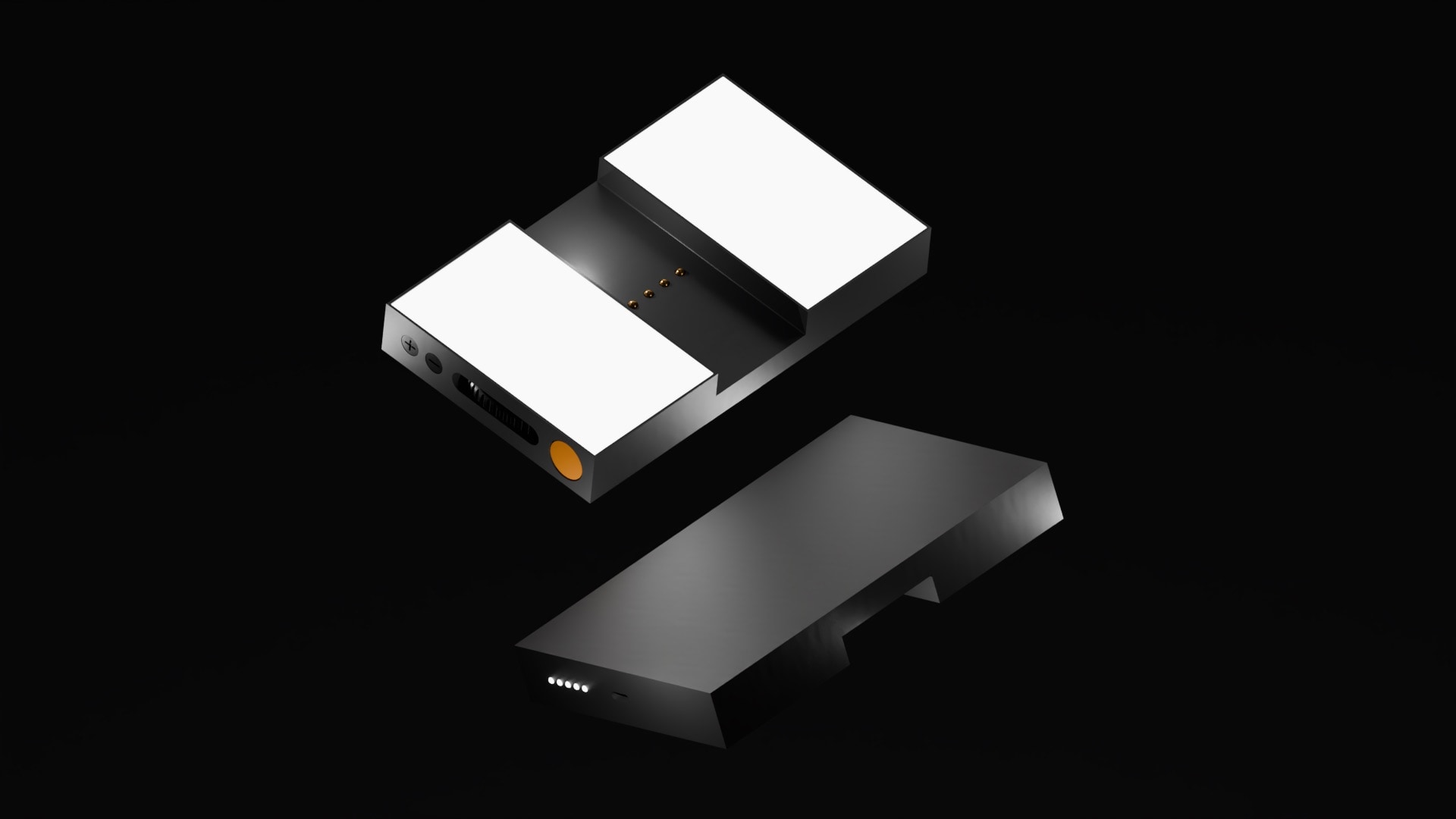
It has two primary elements: the main module and the rail system. The first version needed enough different spaces and enough flexibility around those spaces to accommodate different lighting preferences. The connections would use snapping and magnetic attachment, with pogo pins carrying electricity and data.

Modular Lamp System, project view 10
Modular Lamp System, project view 11

How did you translate that promise of flexibility into physical forms?

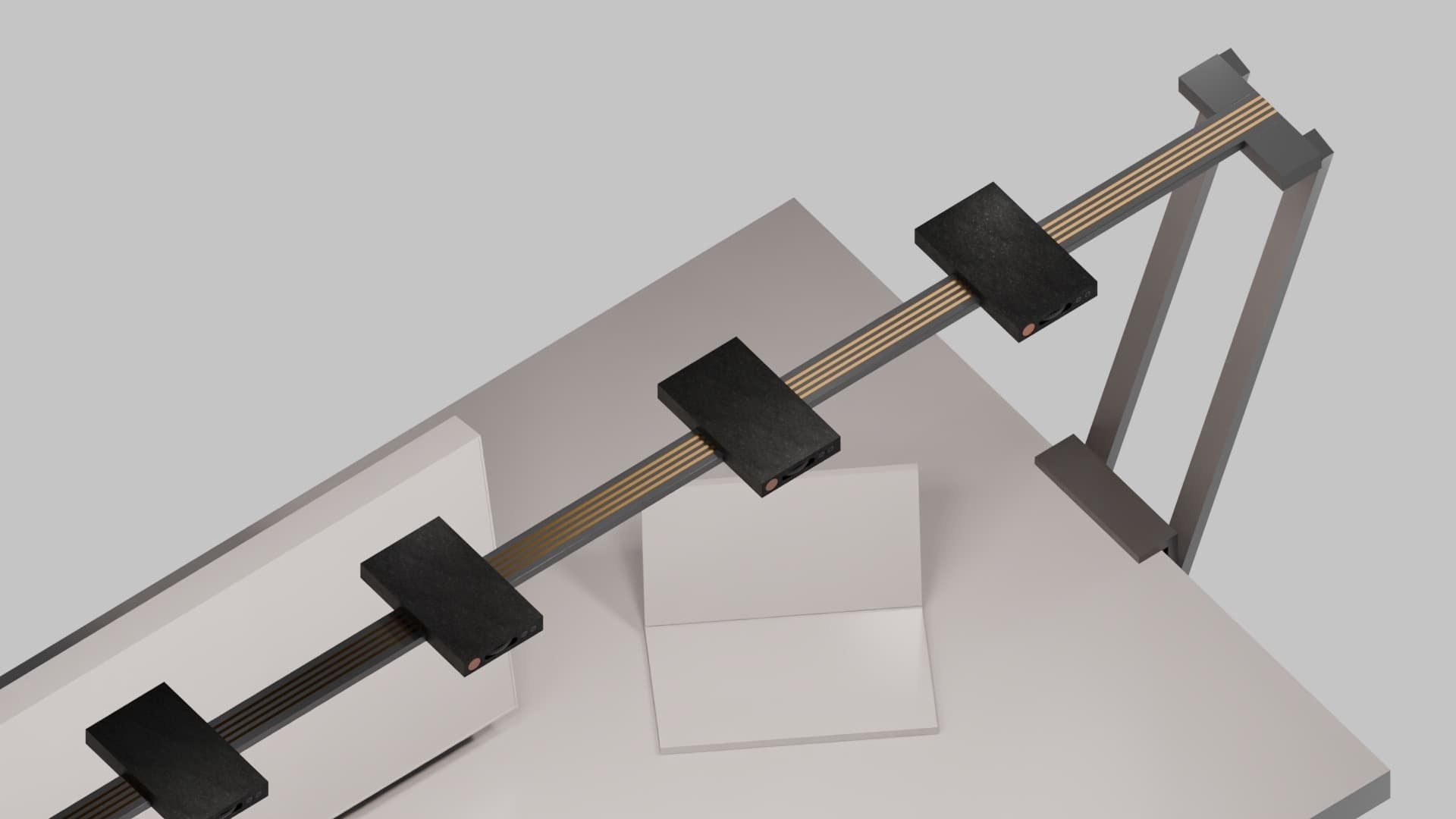
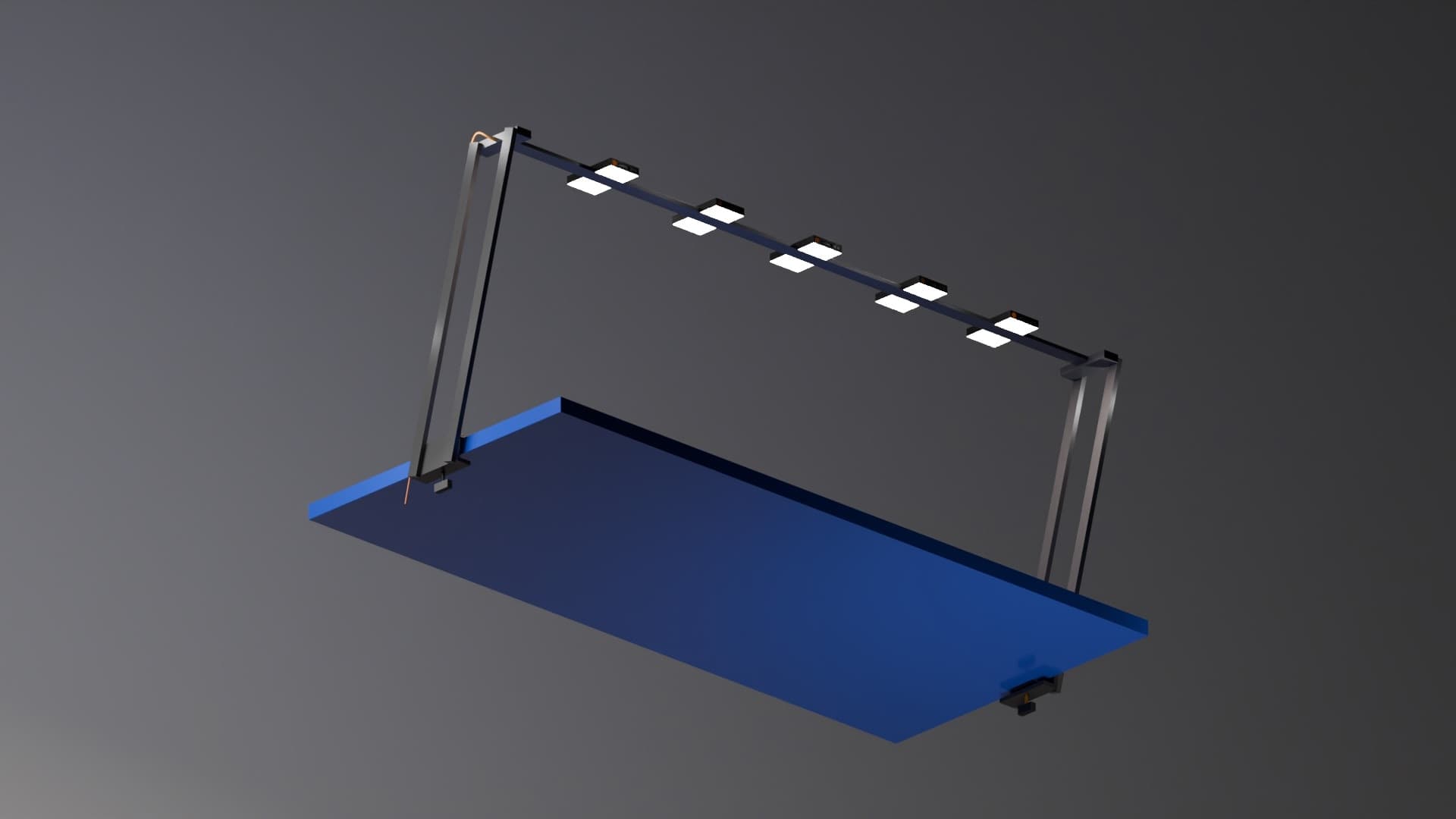
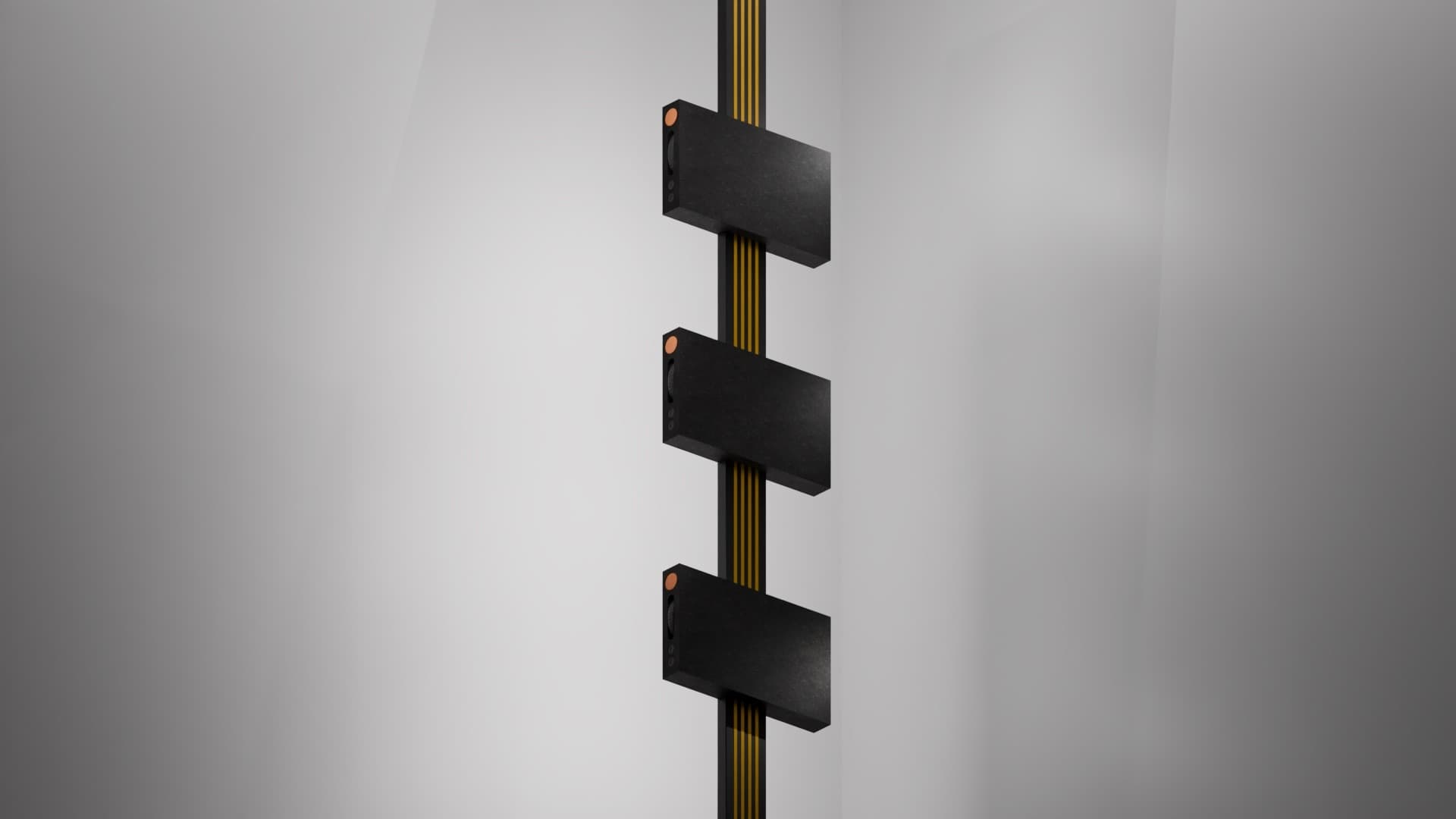
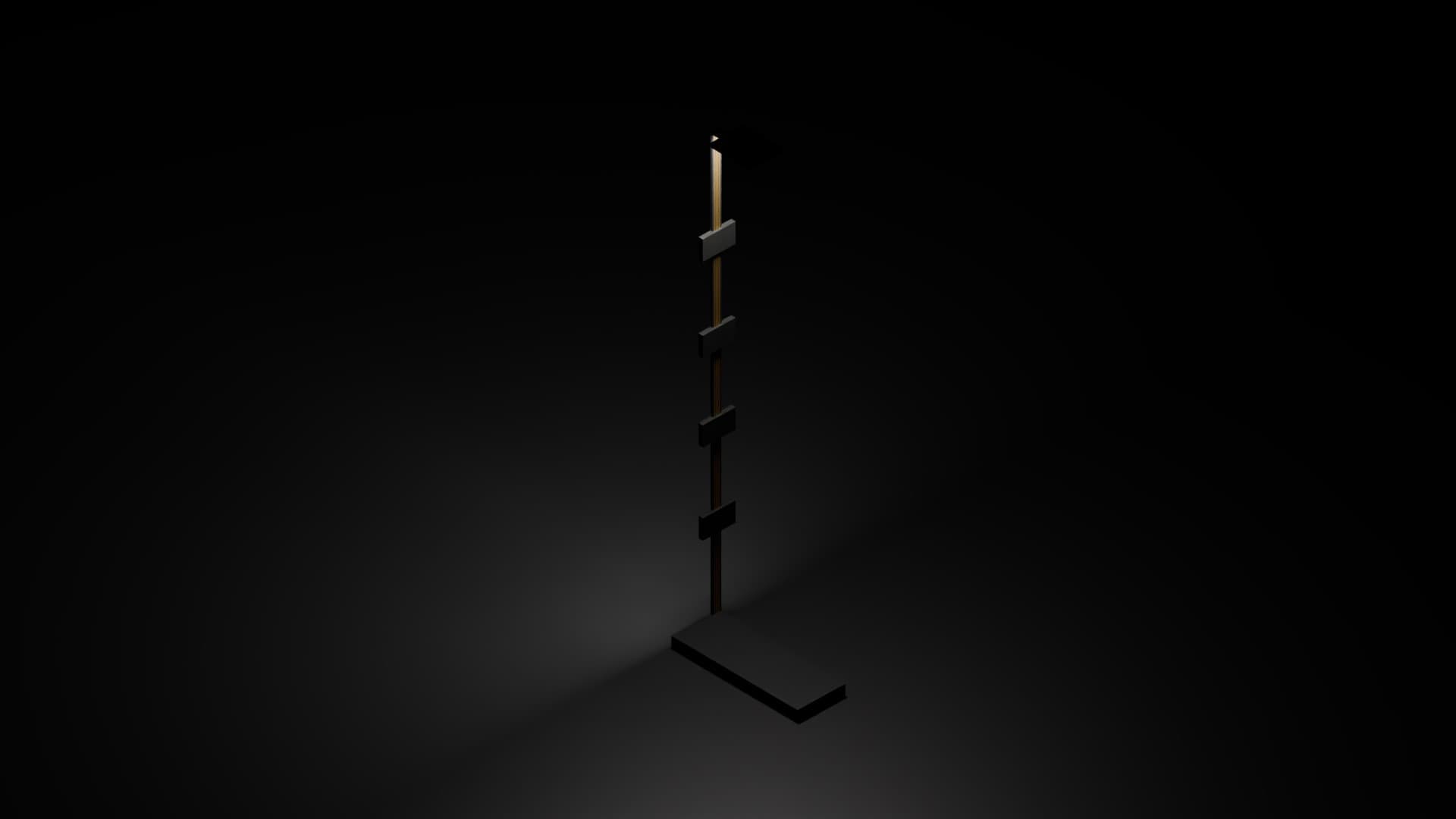
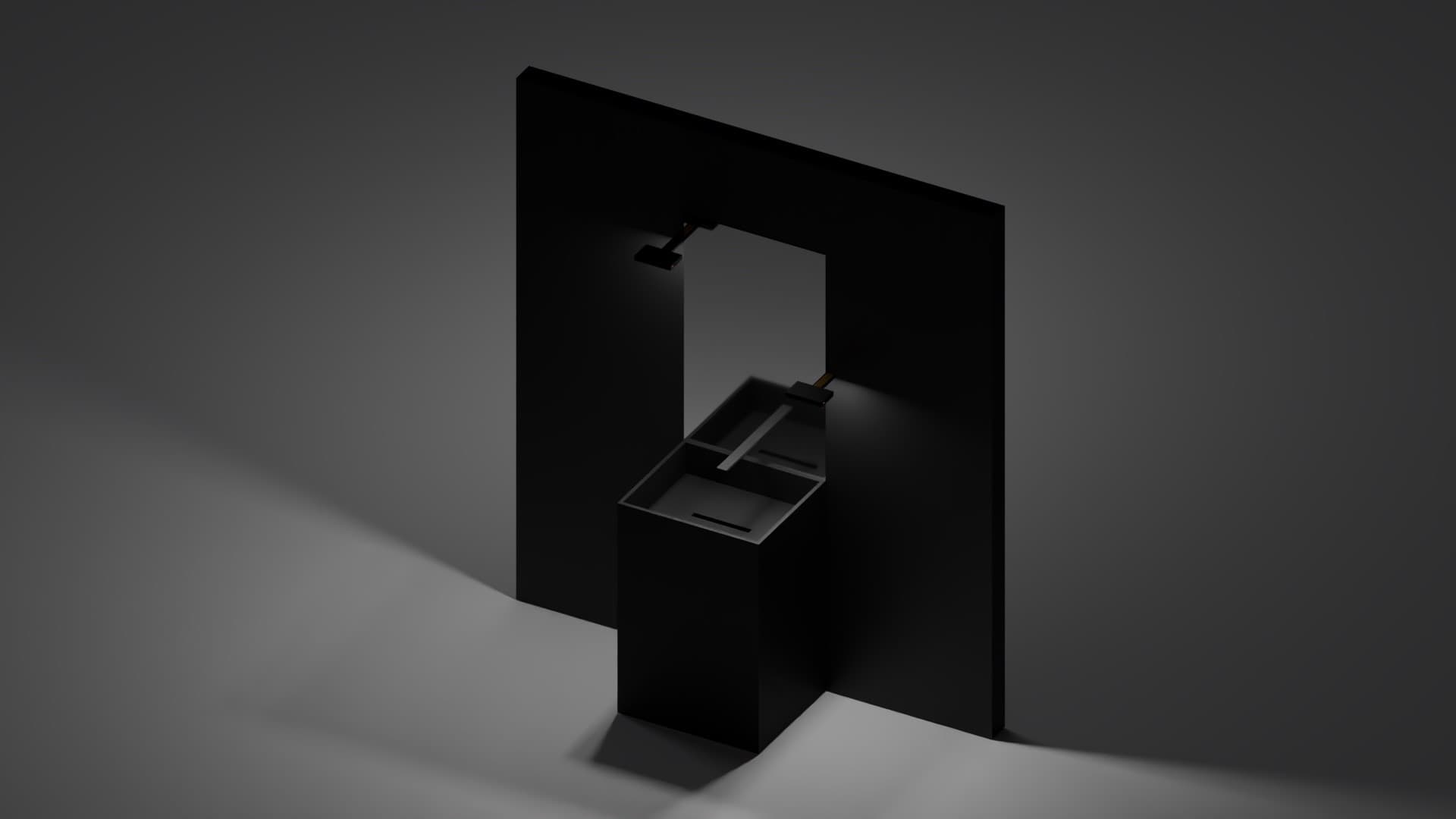
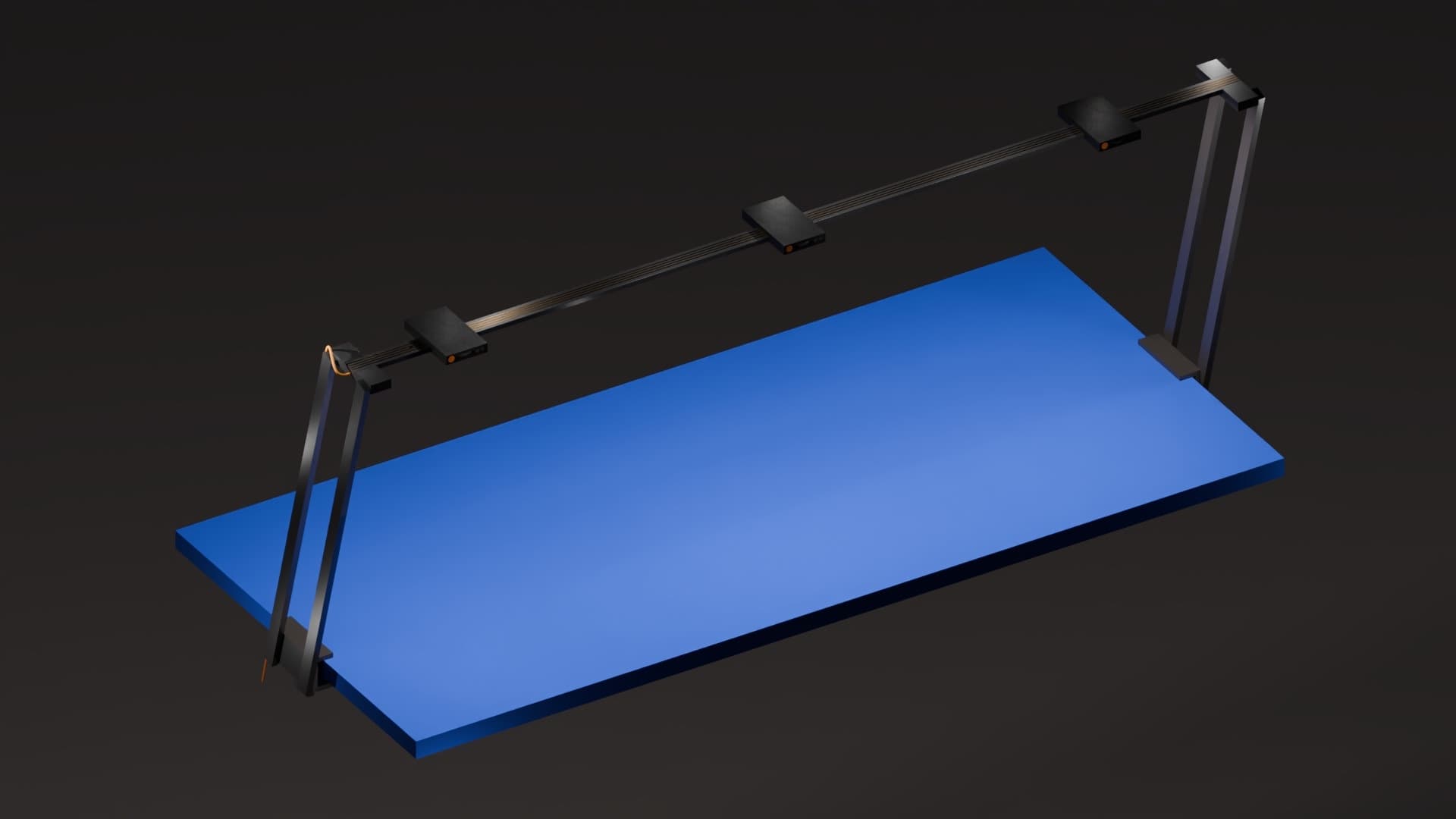
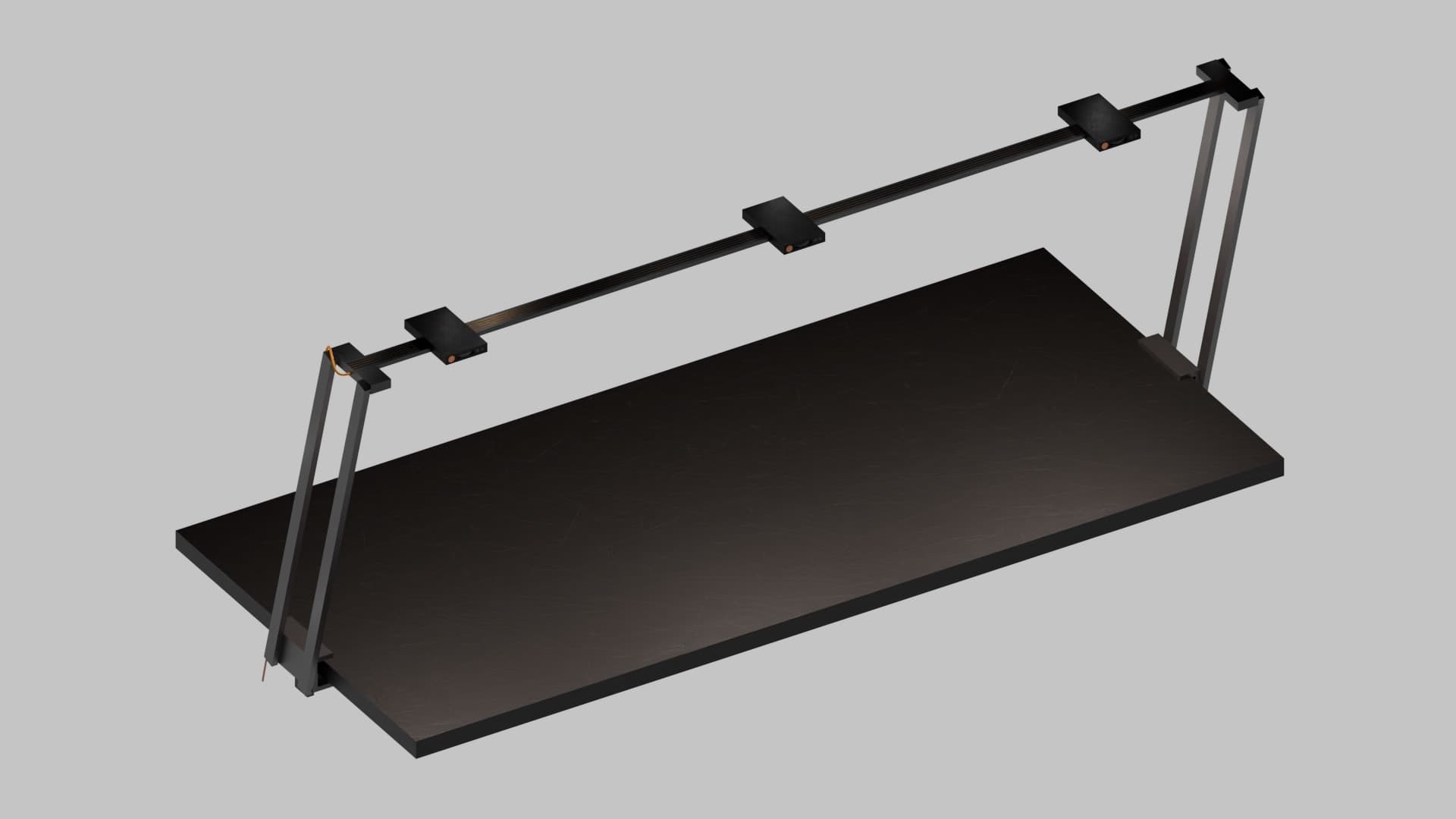
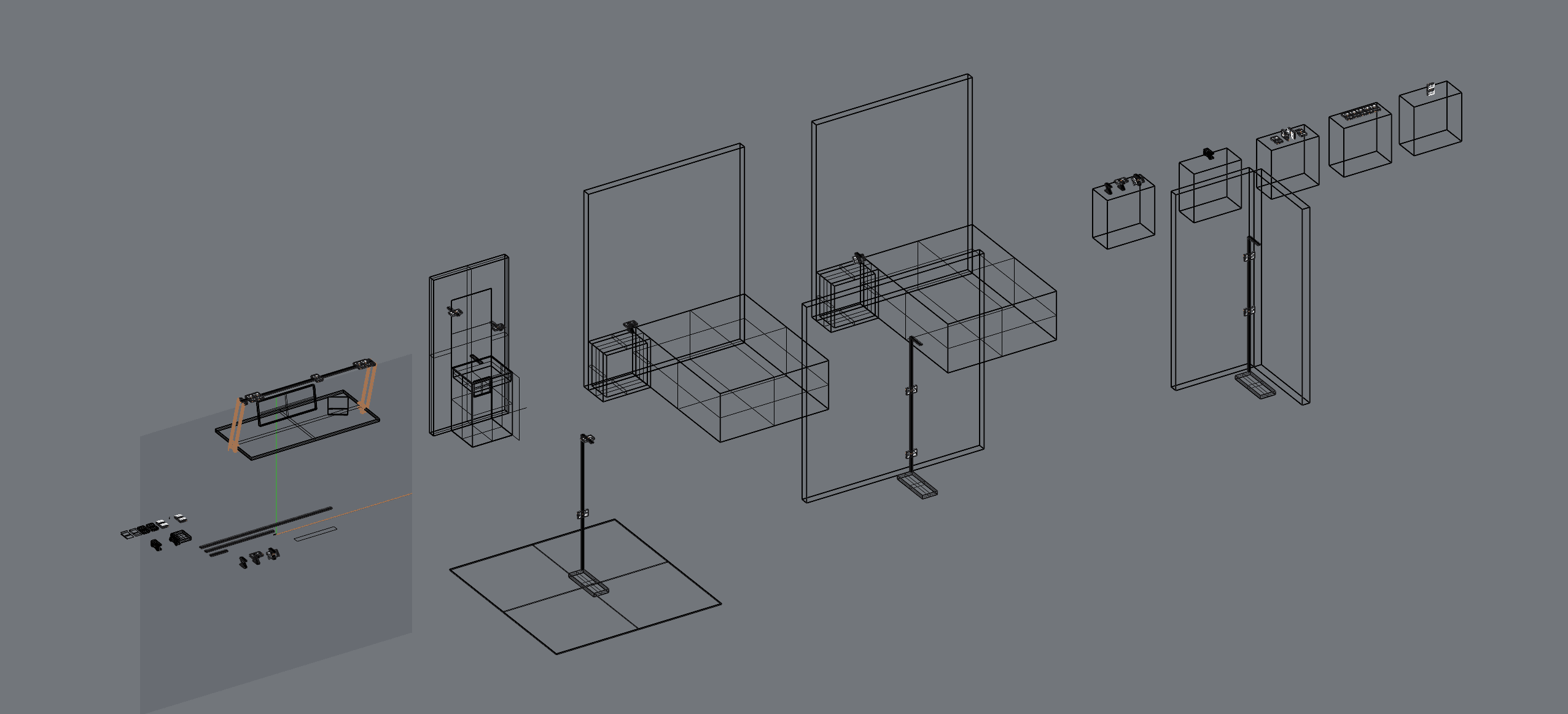
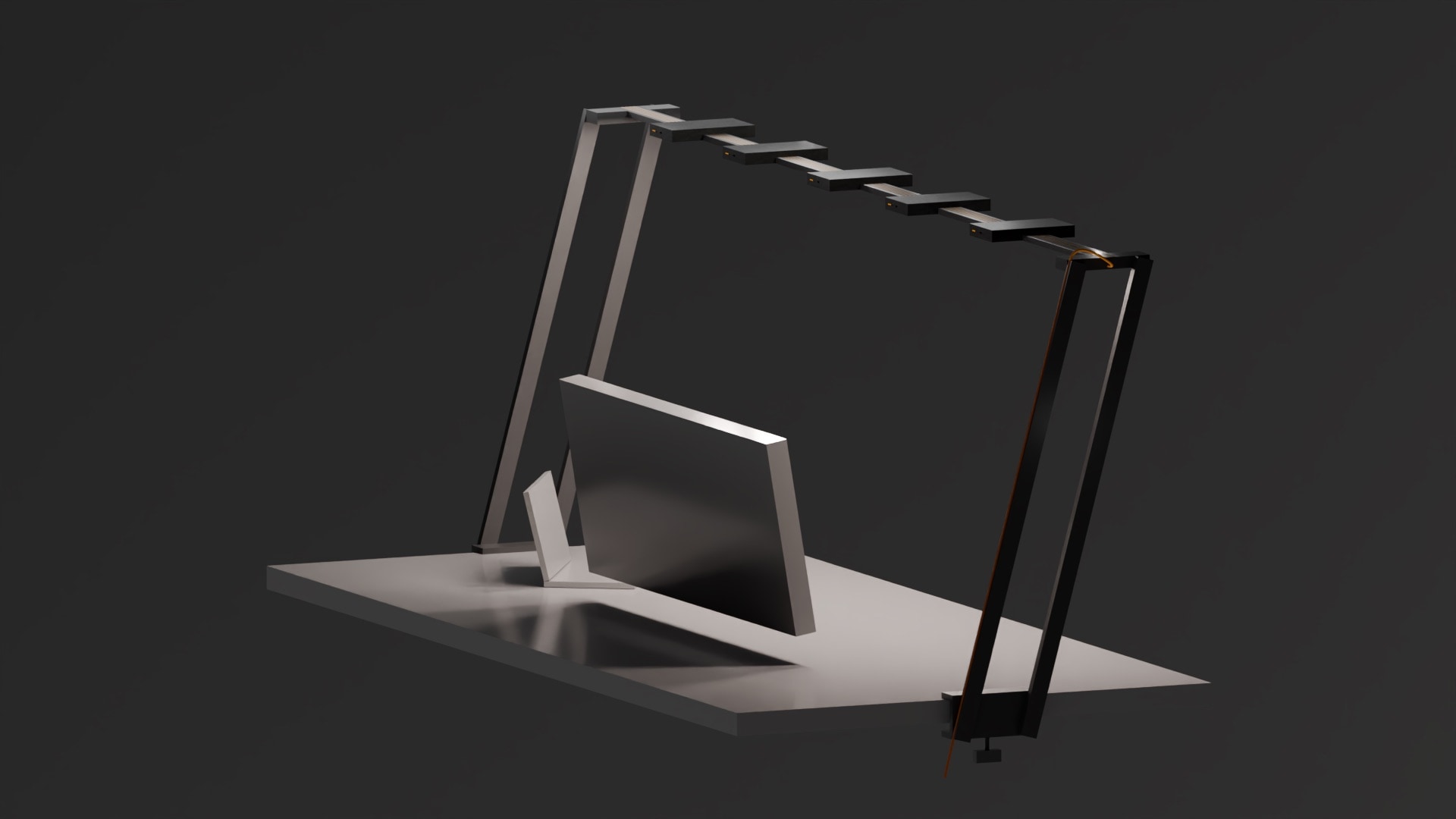
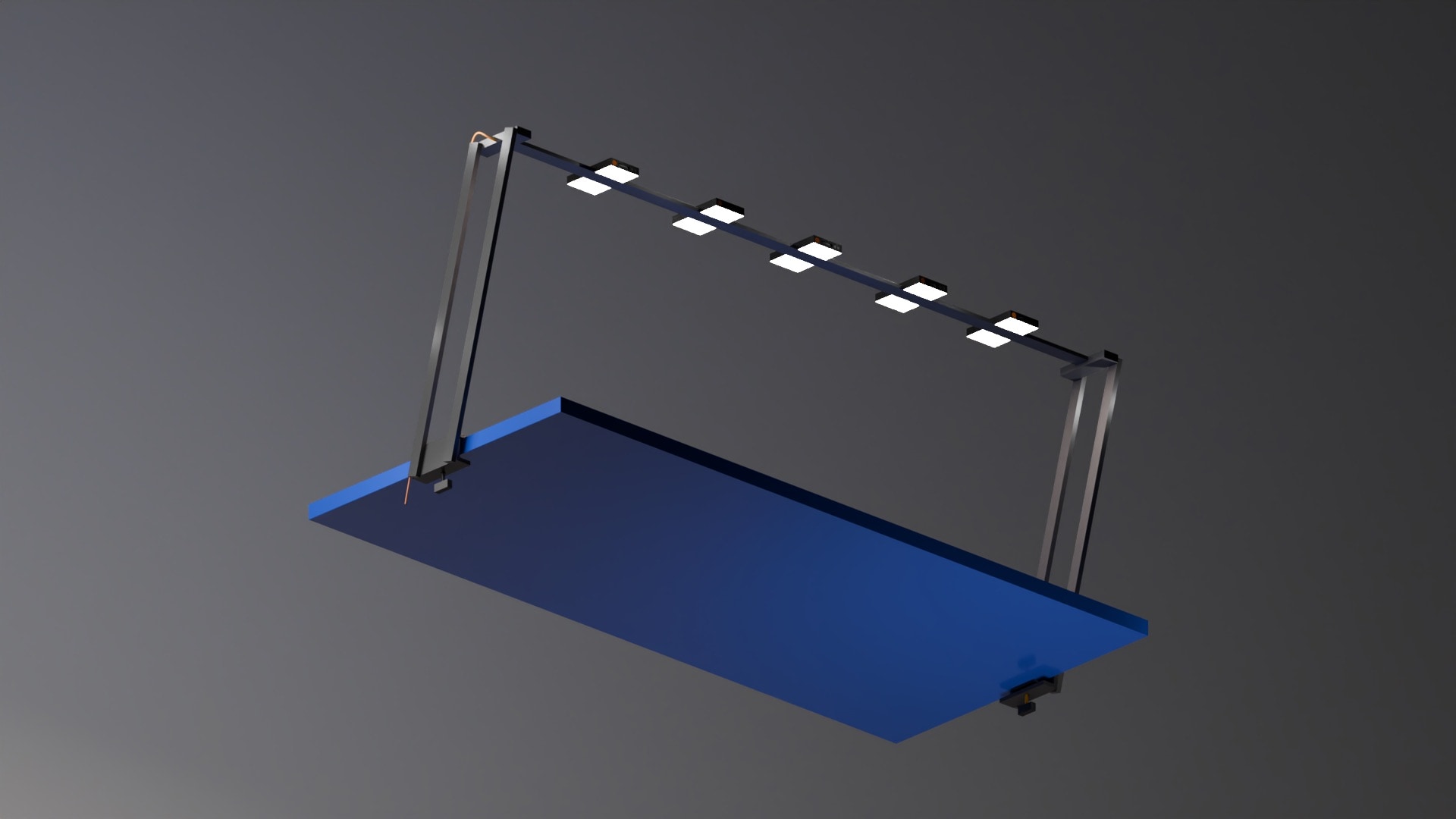
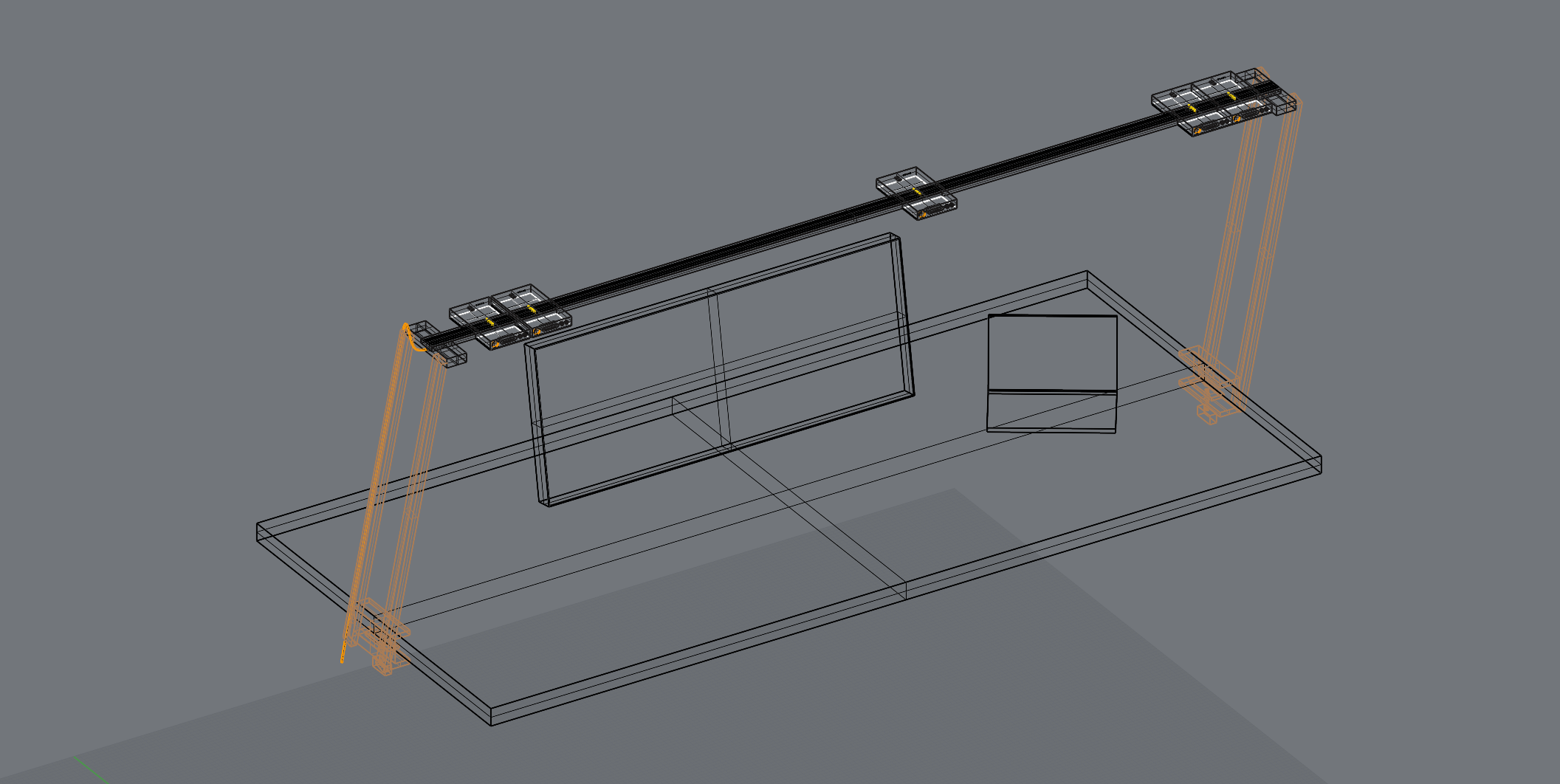
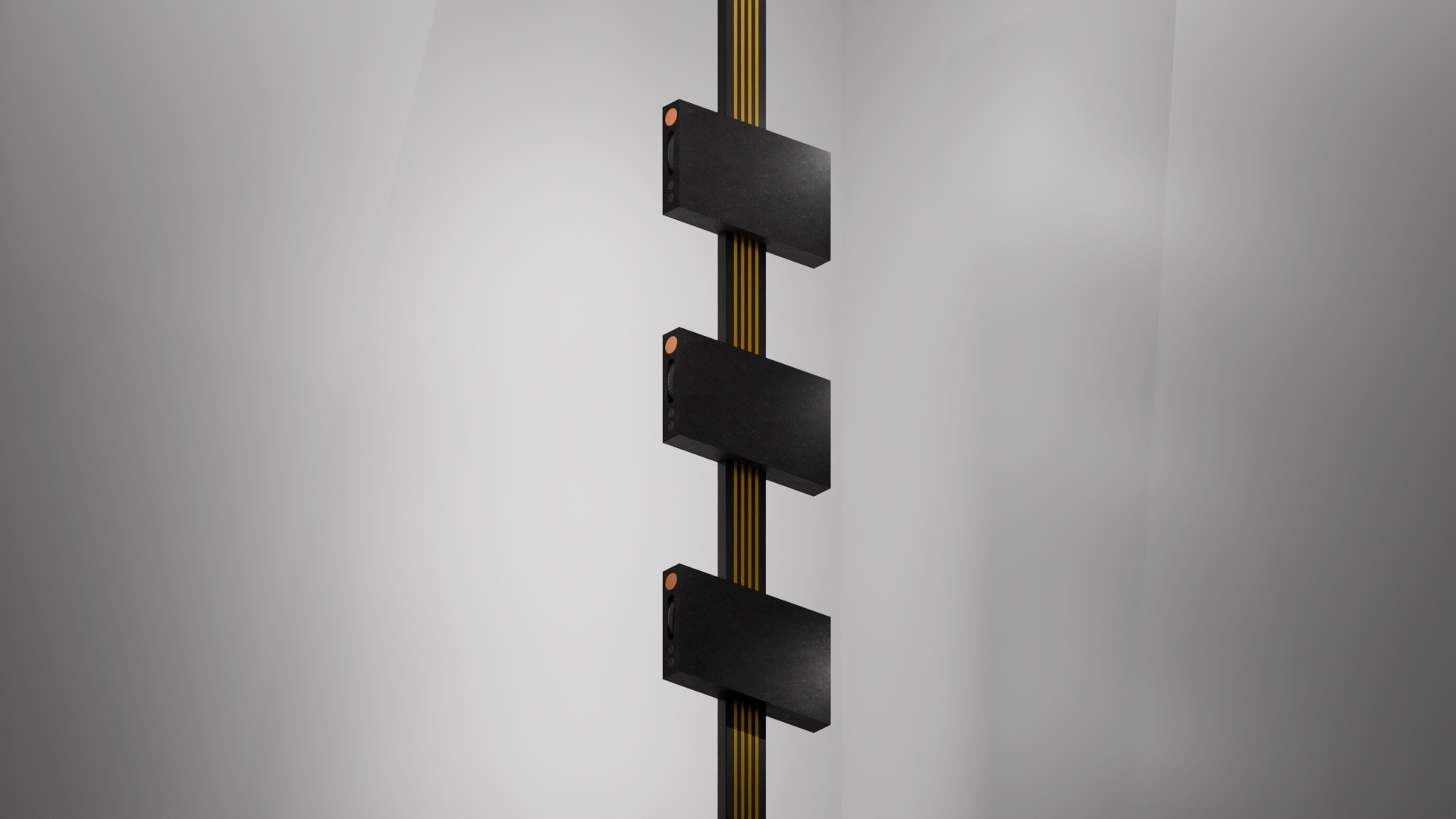
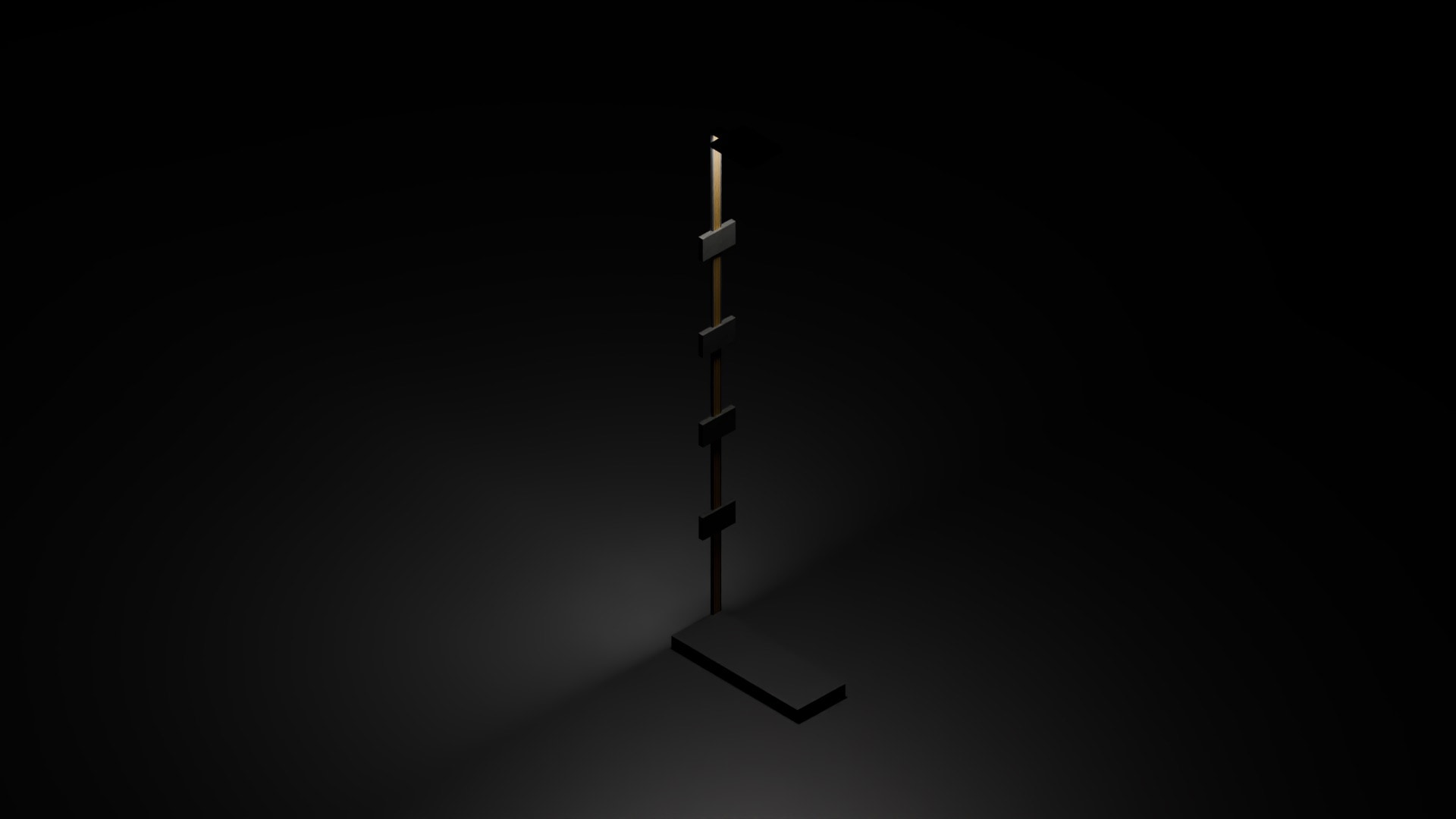
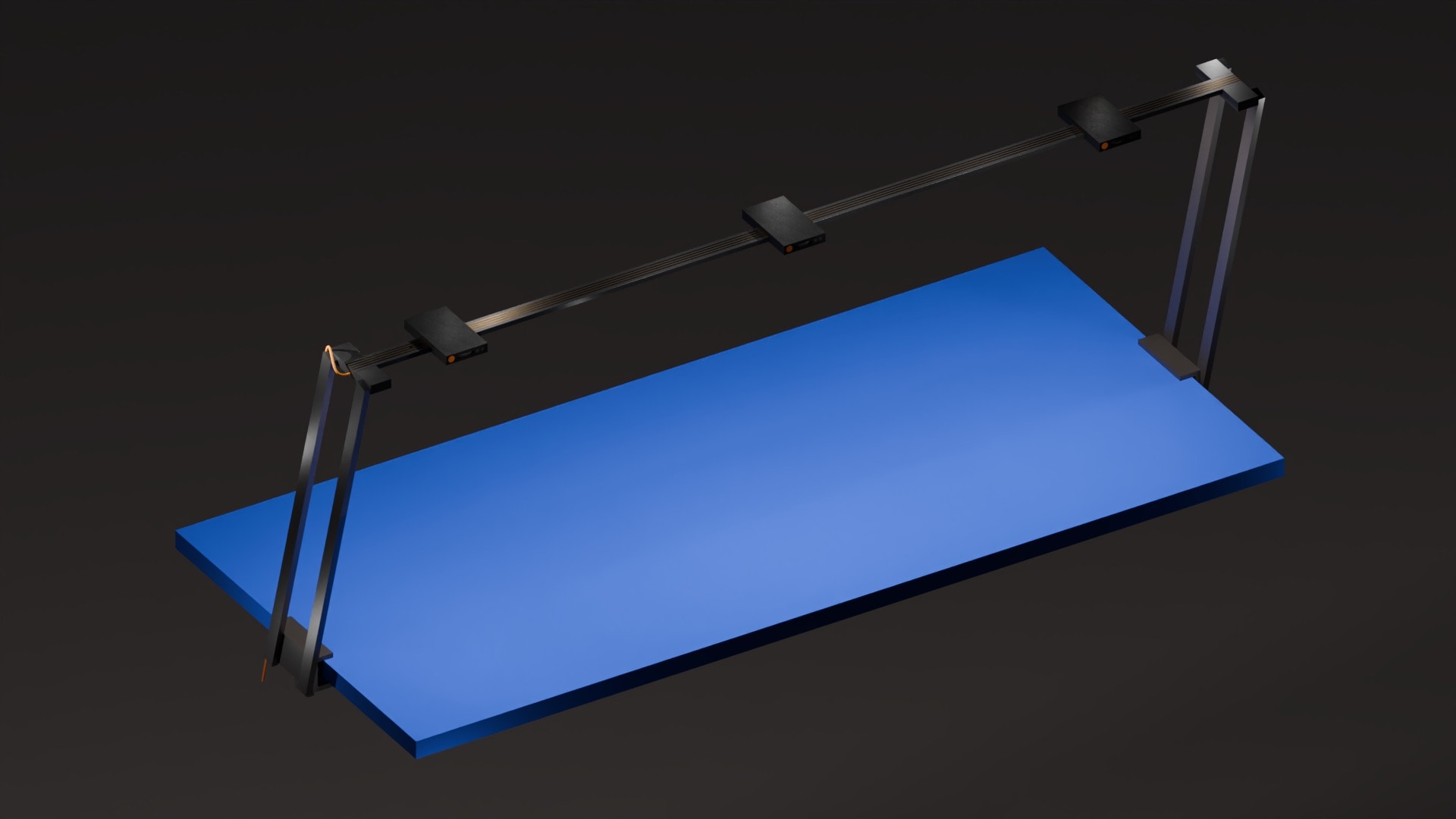
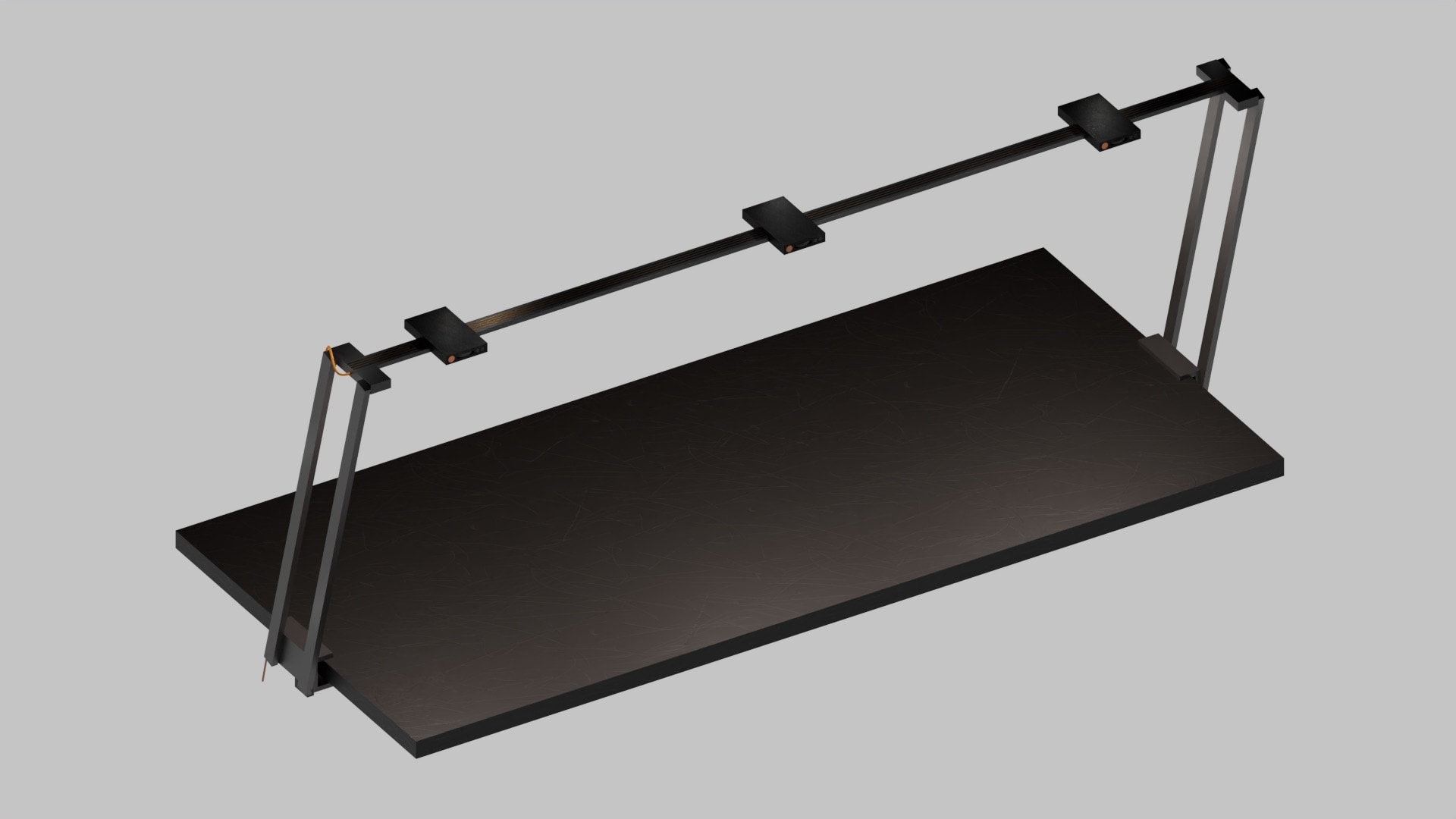
The system is primarily made from different rail systems formed in various shapes. One example is a slim profile that projects from the wall, allowing you to place the modular light on top. You might leave it there while using it in the bathroom, then bring it to your bedside and place it wherever you need. A more advanced version could include desk arms—double arms around a desk that you can position however you want.

Modular Lamp System, project view 12
Modular Lamp System, project view 13

Once the rail became more than a mount, what did you want it to do for the lights?

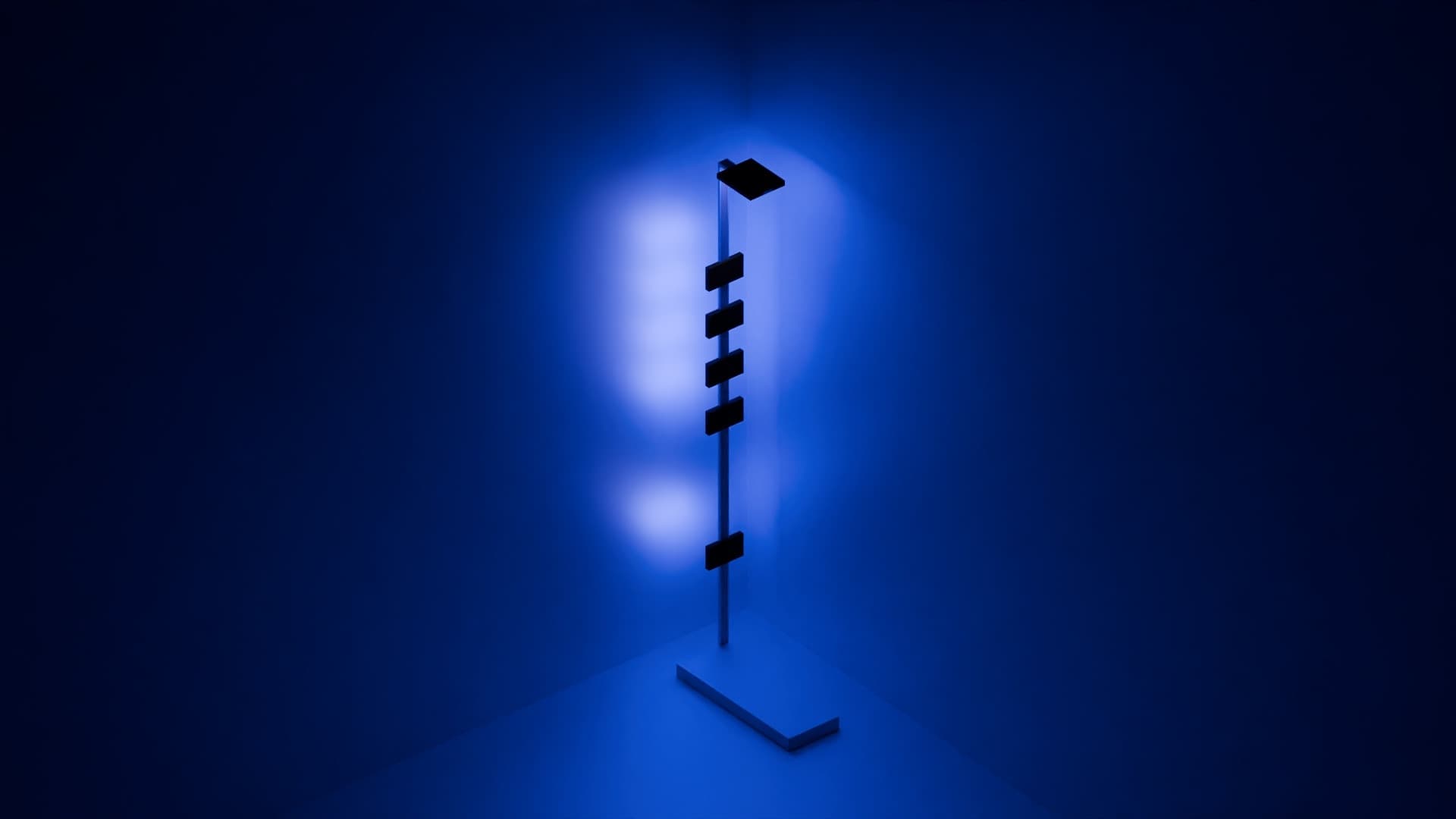
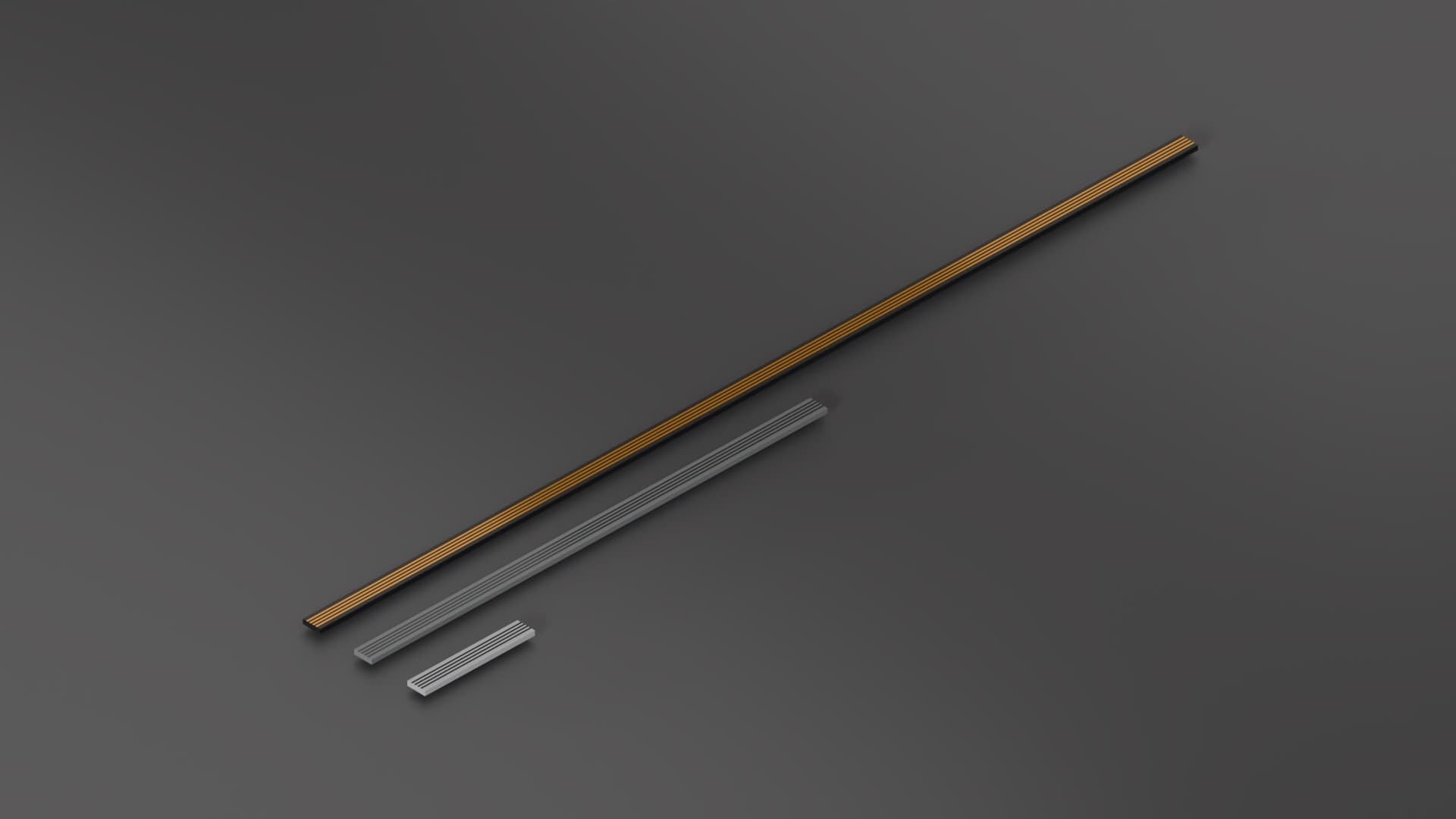
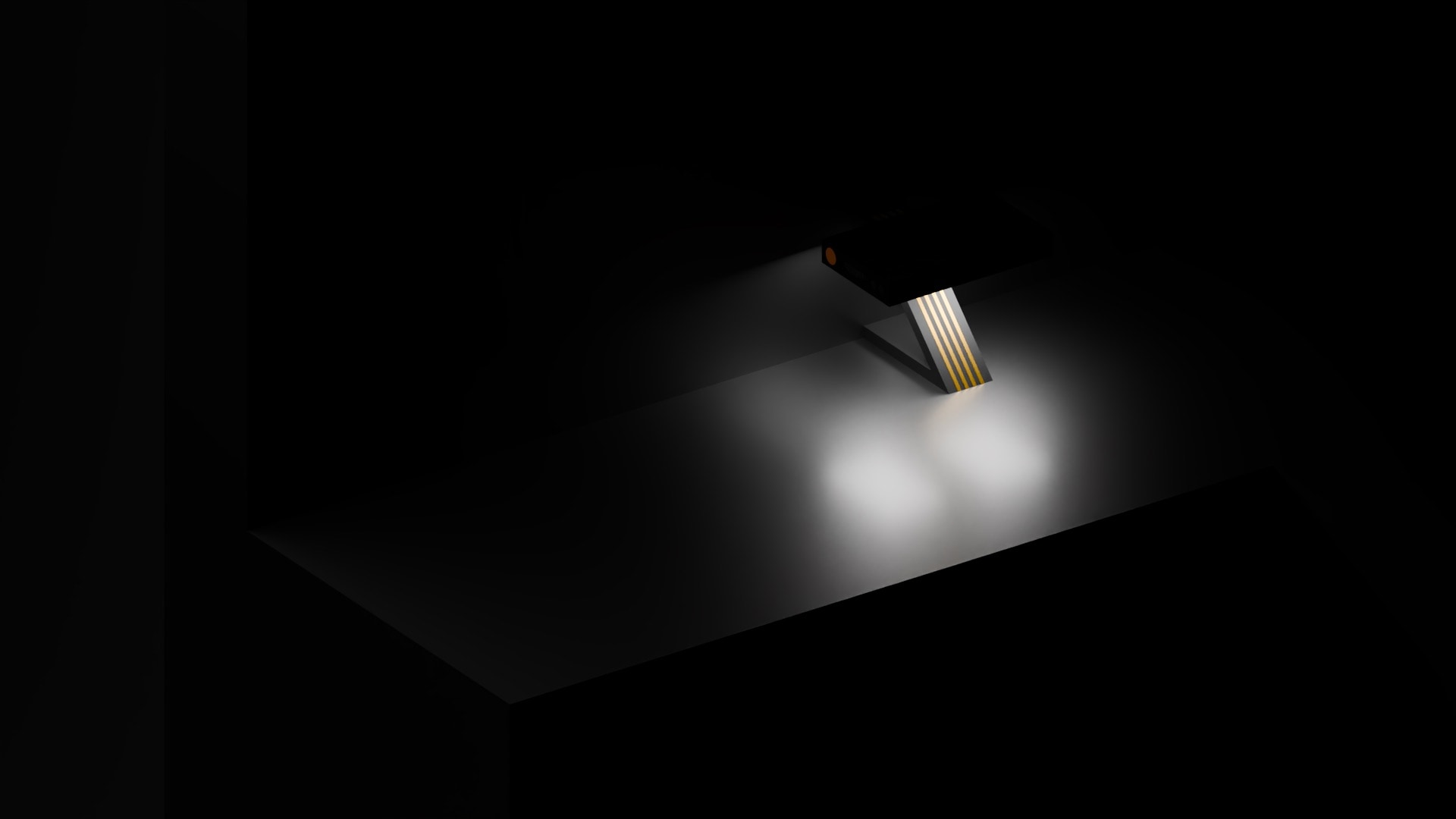
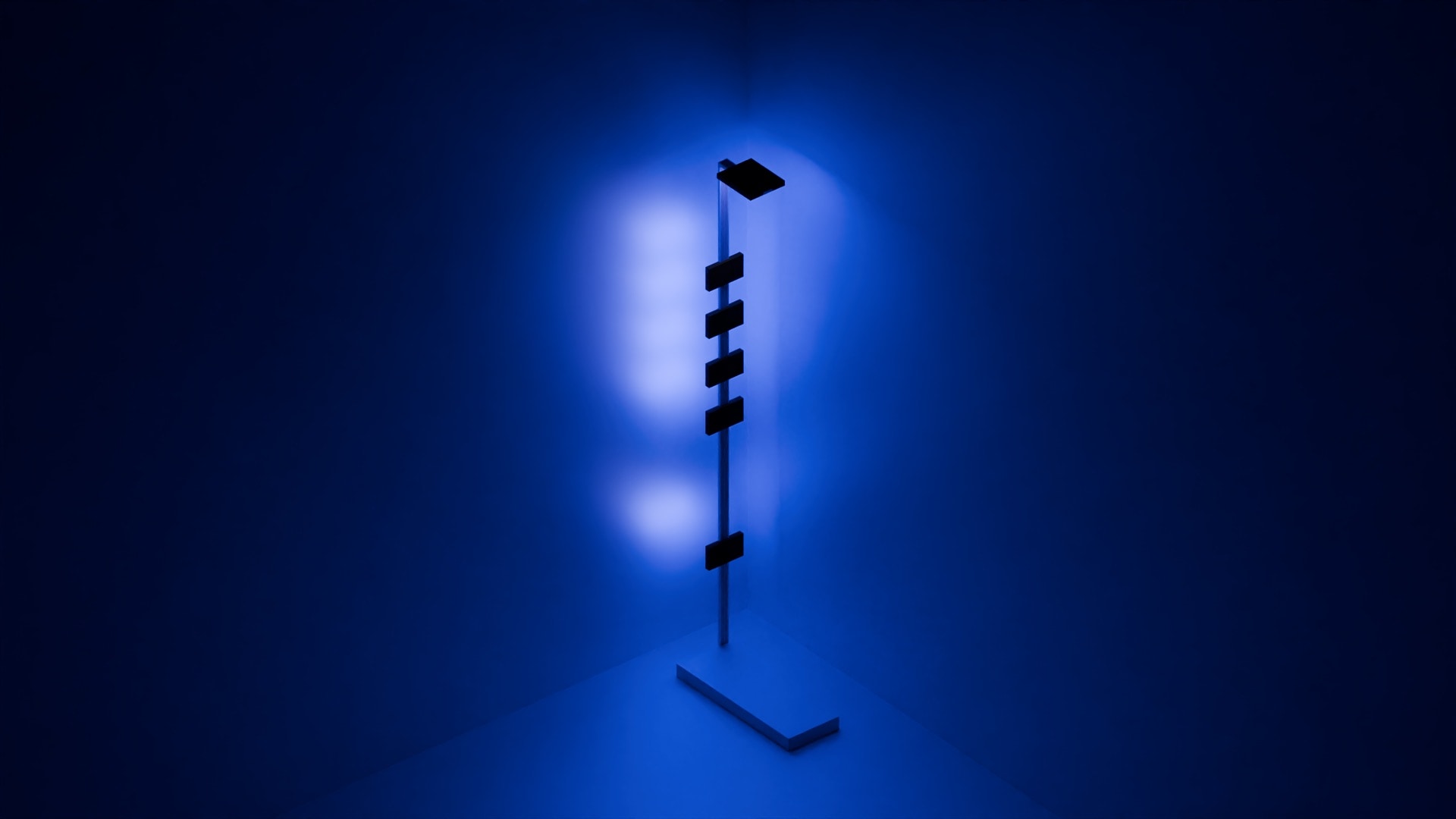
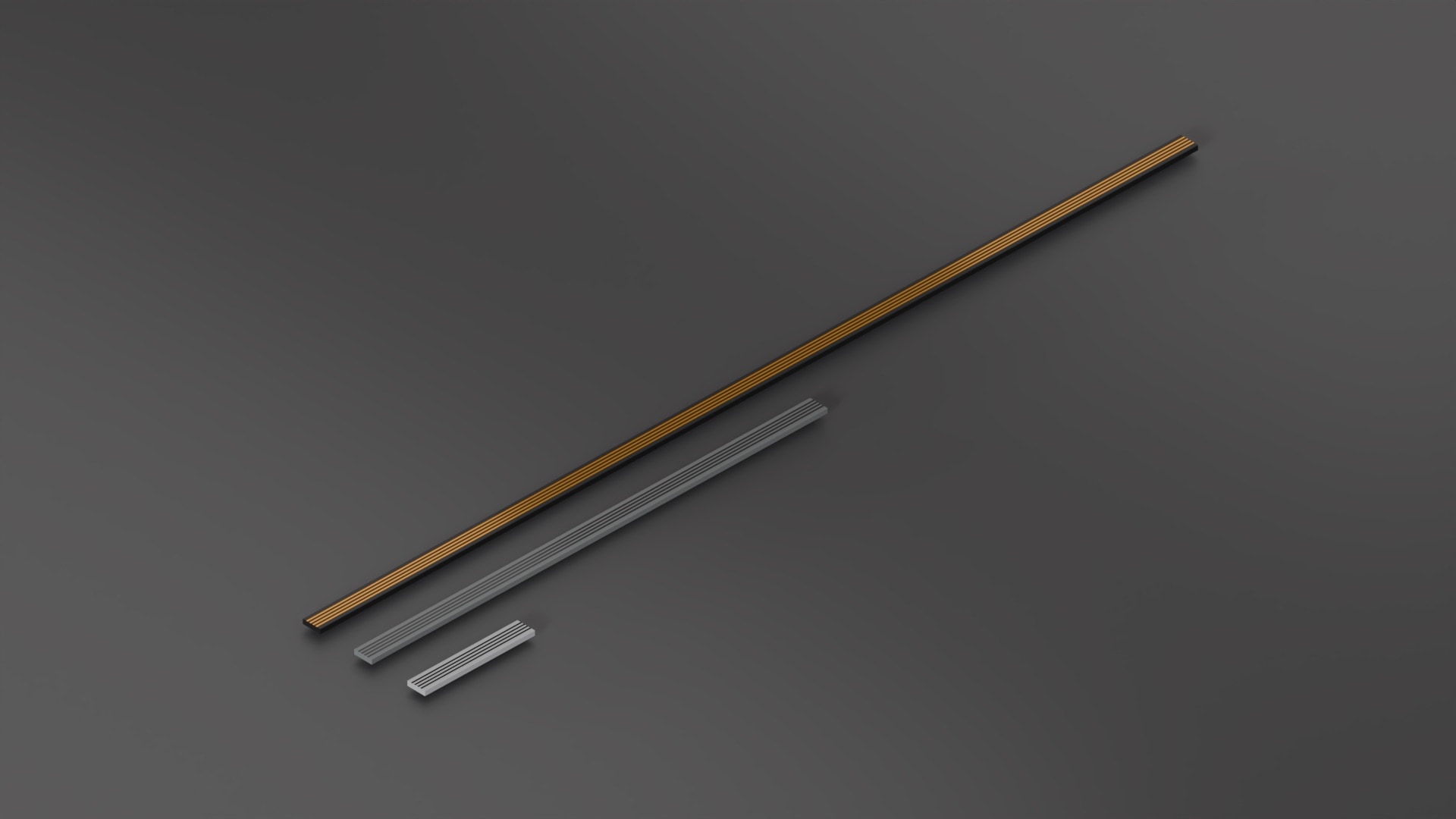
I engineered custom conductive rails that carry power and data at the same time. That allows multiple light modules to connect to the same system and synchronize their light. The rail is therefore not just a structure for placing the block; it is what lets a portable object become an expandable architectural array.

Modular Lamp System, project view 14
Modular Lamp System, project view 15

What did the project demand from you as an industrial designer before you could communicate the system visually?

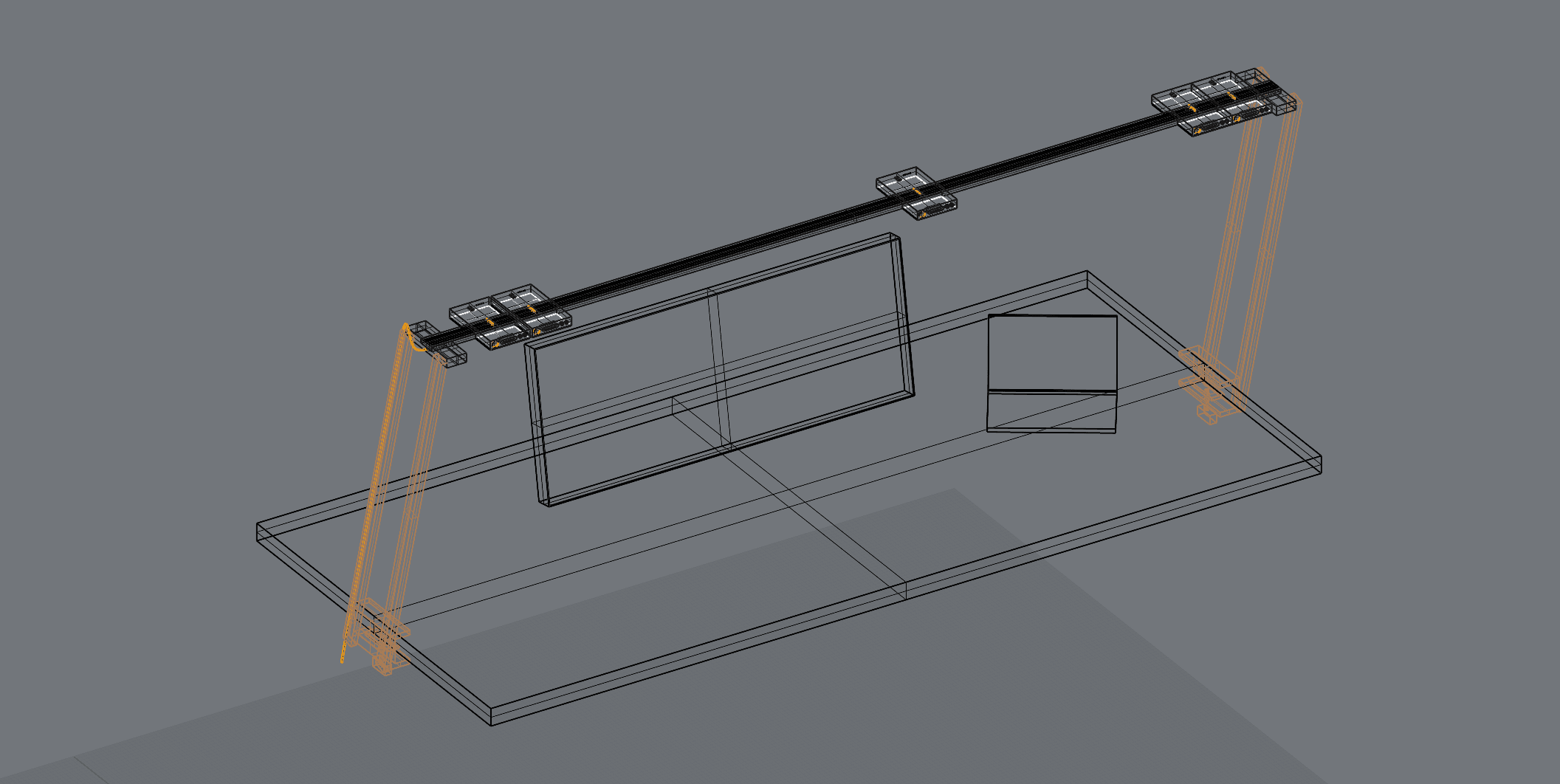
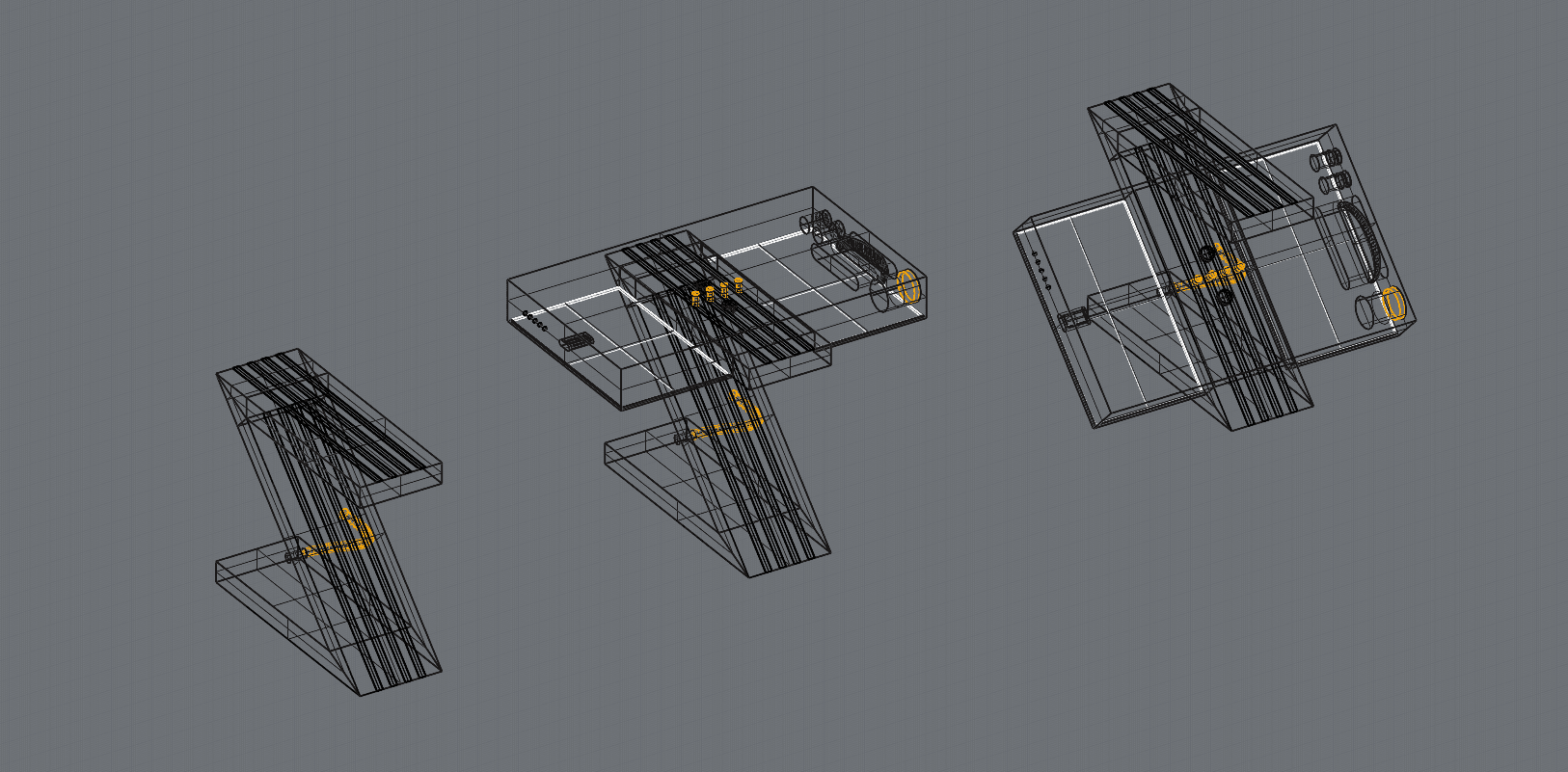
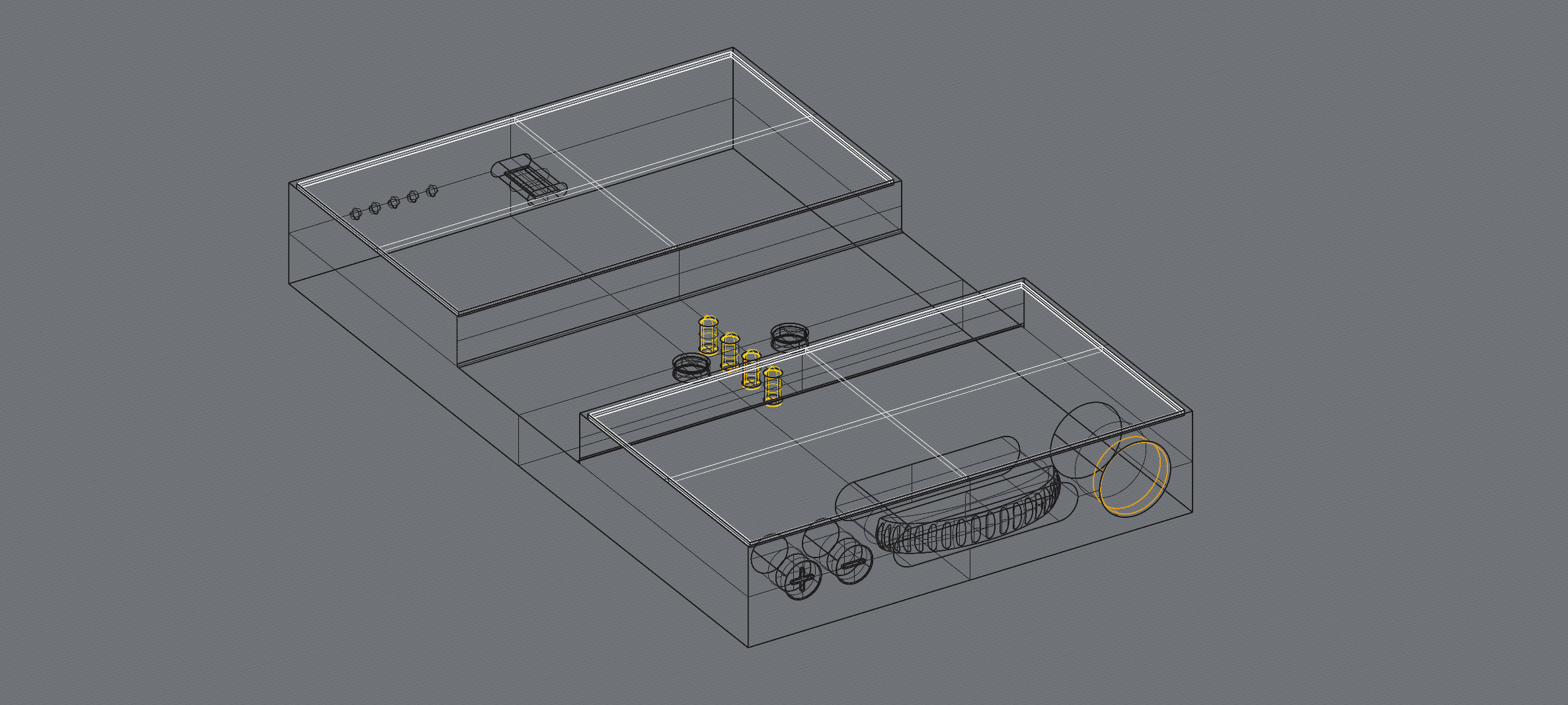
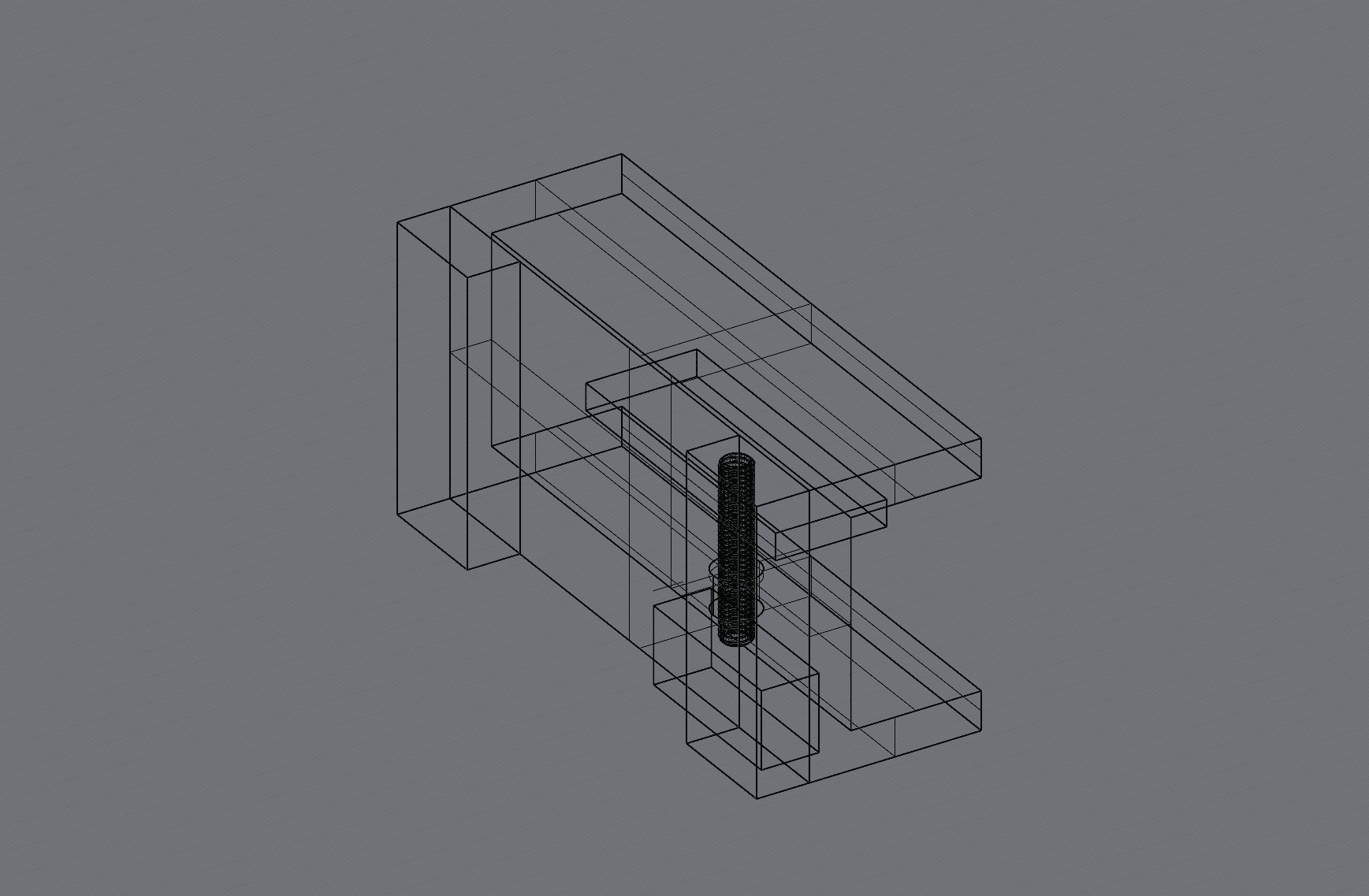
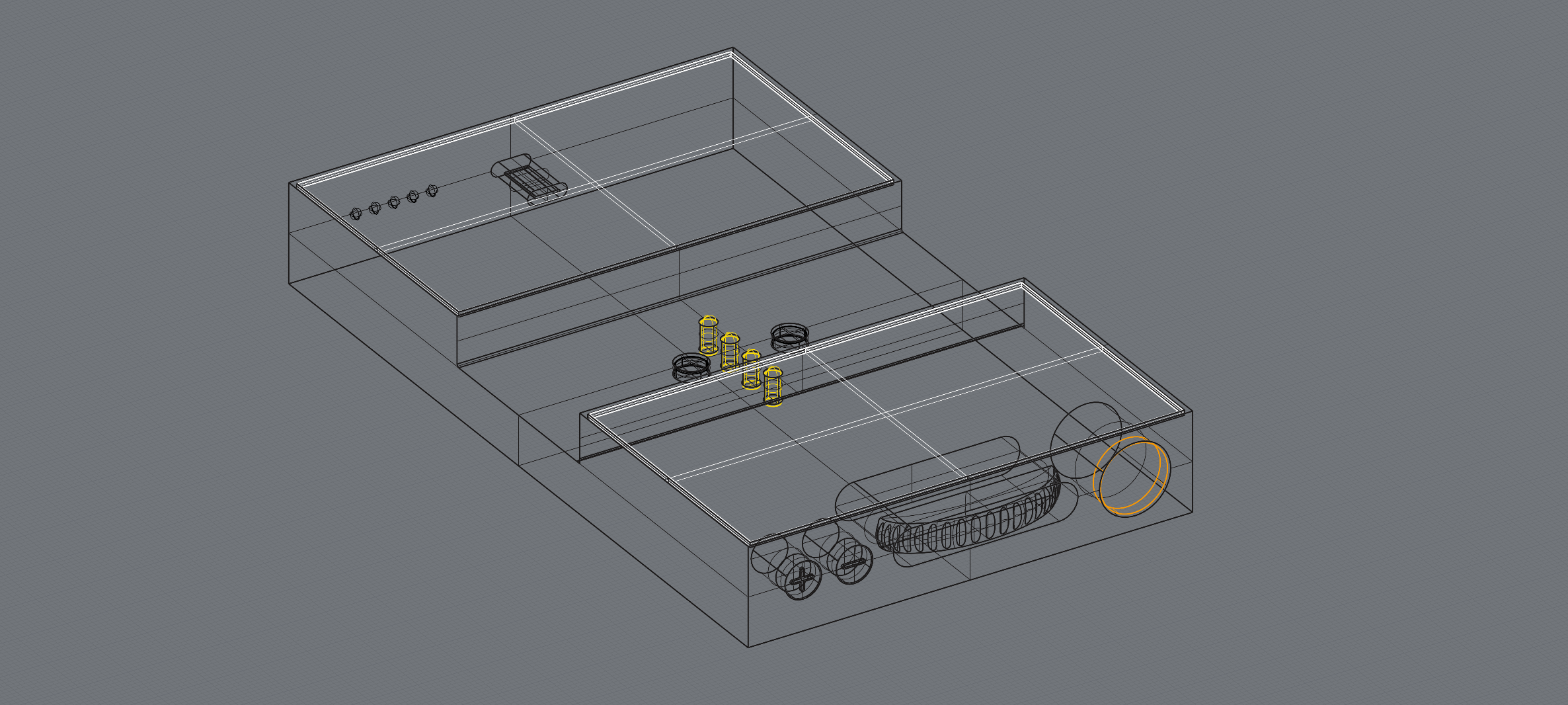
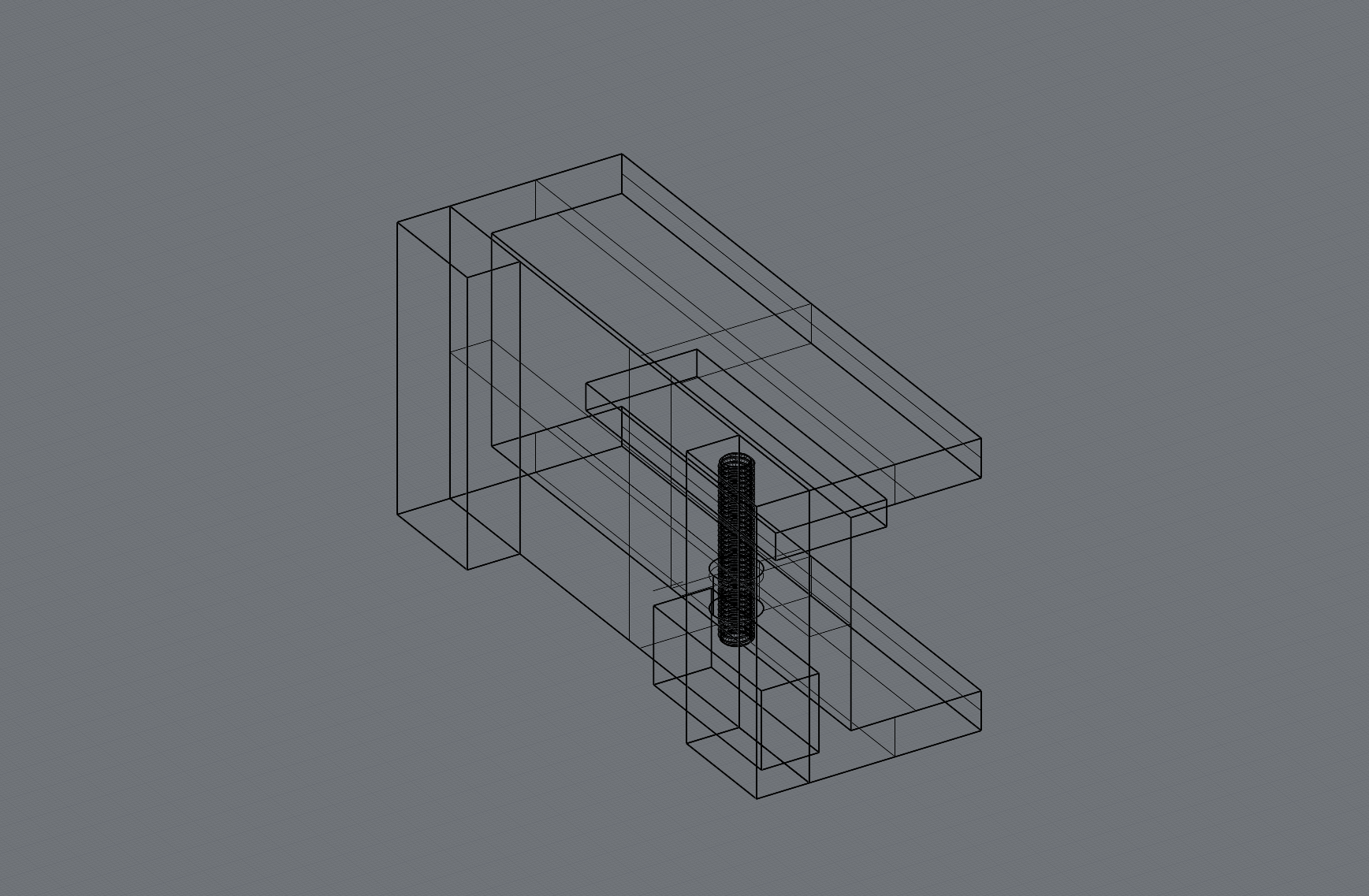
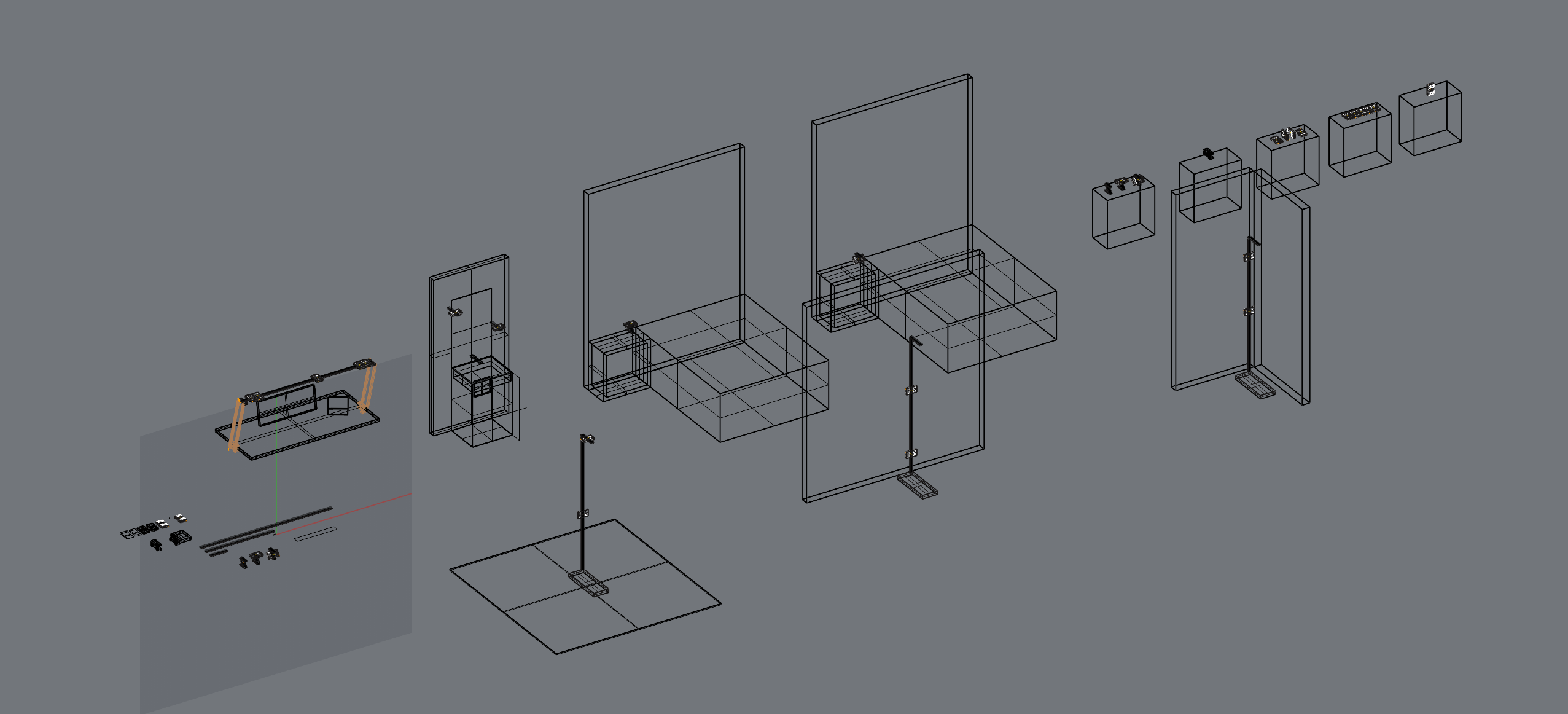
It became a practice in complex mechanical modeling with Rhino. I had to develop the block, the rails, and their interlocking relationships as parts of one system. That process helped me move from an idea about a flexible lamp toward a more specific study of how the components could connect and support one another.

Modular Lamp System, project view 16
Modular Lamp System, project view 17

How did rendering shape the way you presented the system?

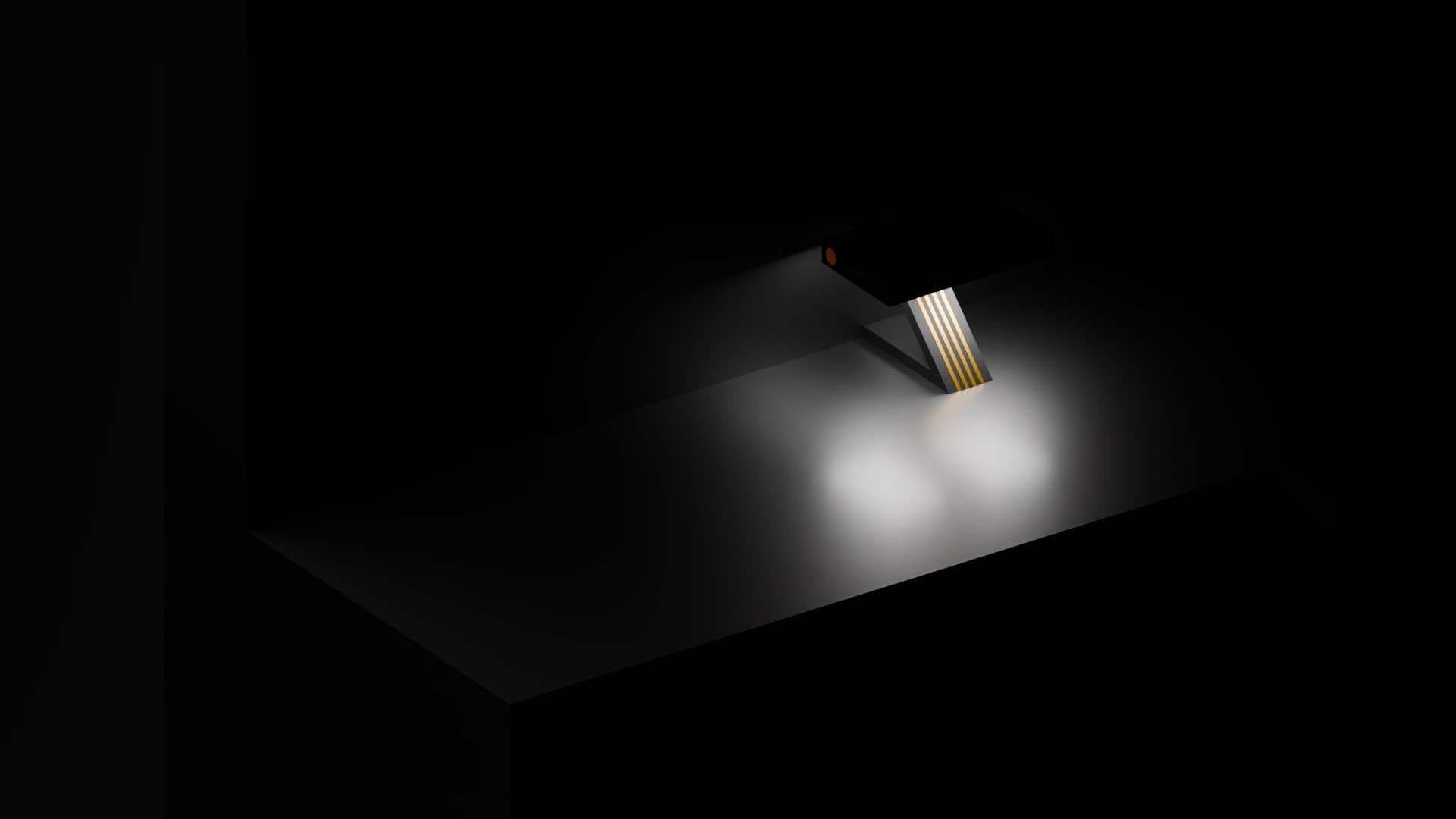
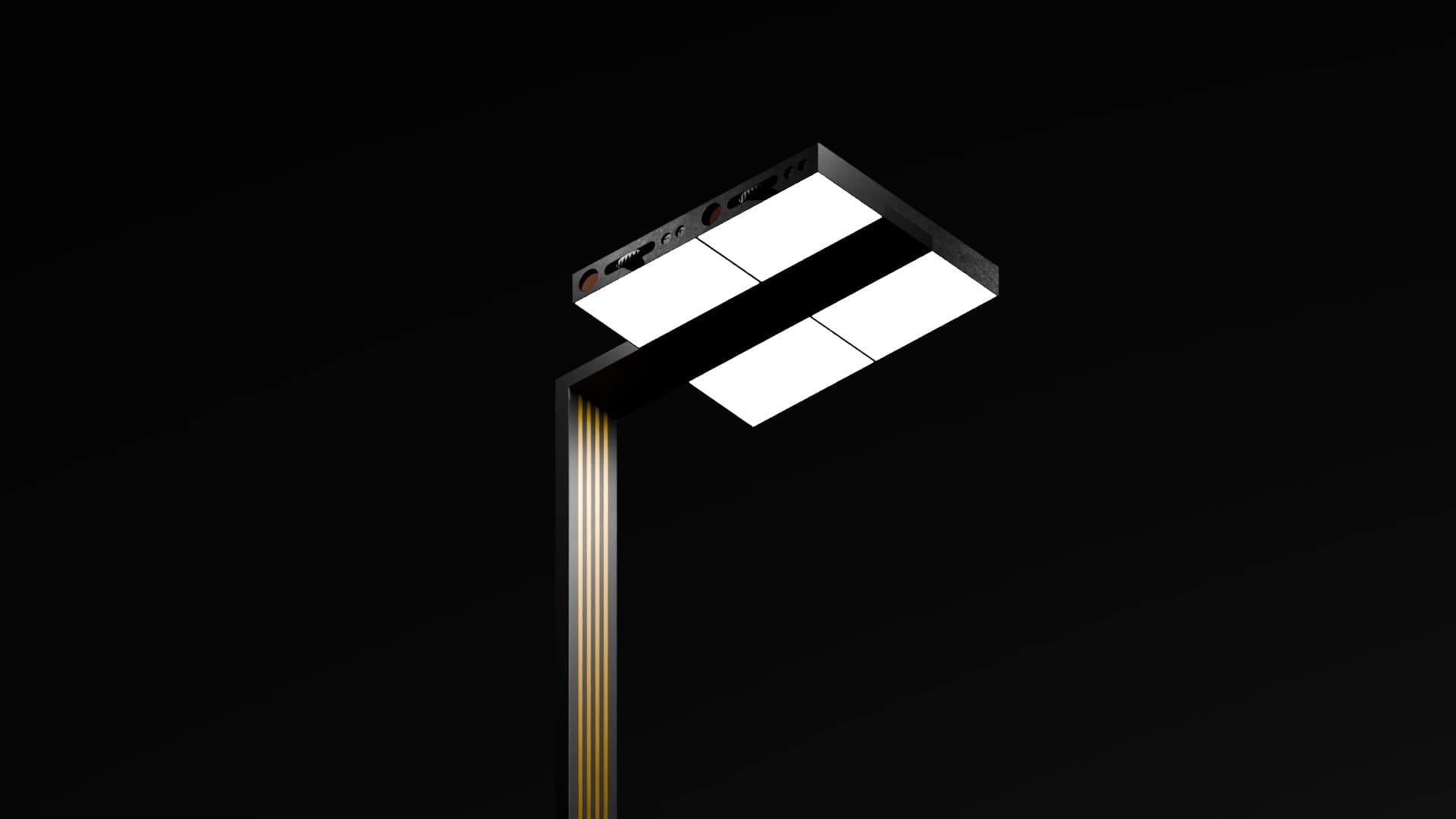
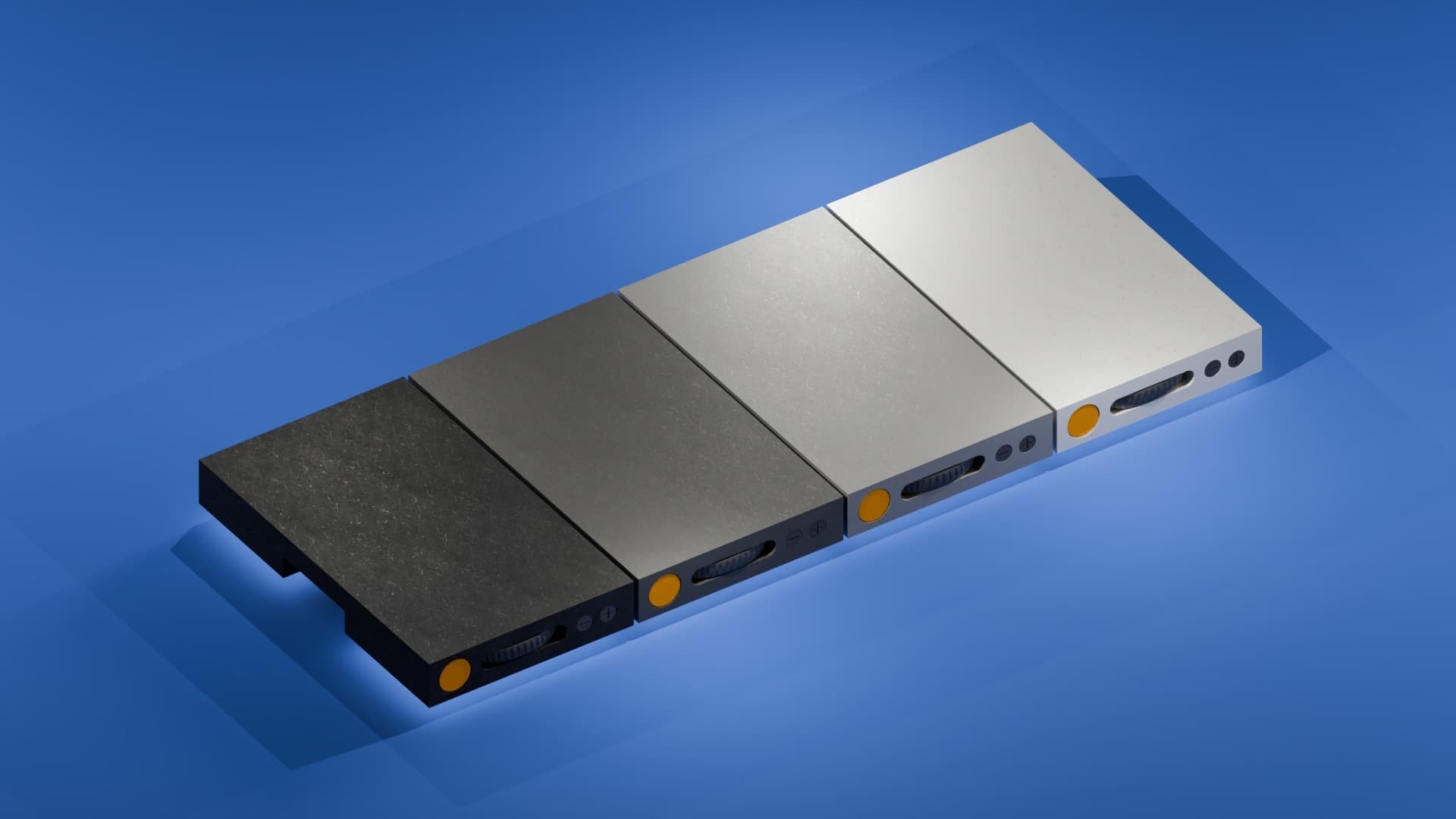
After modeling in Rhino, I used Blender to create cinematic product visualizations and lighting studies. The renders let me show the module both as a tactile object you can carry and as part of a larger architectural arrangement. For me, it was an exercise in bringing a vision for a lamp to life and exploring how that vision could be communicated through images.

Modular Lamp System, project view 18
Modular Lamp System, project view 19

Looking back, what did the Modular Lamp System become for you beyond the design of a single light?

It became a study of how one portable block can grow into an everyday system. I started with the experience of carrying a small light from place to place, then developed the hardware, rail logic, mechanical connections, and visual language that could support that movement. The project brought together industrial design, CAD, and cinematic visualization around one question: how can a light stay personal while becoming part of its surroundings?

Modular Lamp System, project view 20
Modular Lamp System, project view 21
Modular Lamp System, project view 22
Modular Lamp System, project view 23
Modular Lamp System, project view 24
Modular Lamp System, project view 25
Modular Lamp System, project view 26
Modular Lamp System, project view 27
Modular Lamp System, project view 28

See other projects