
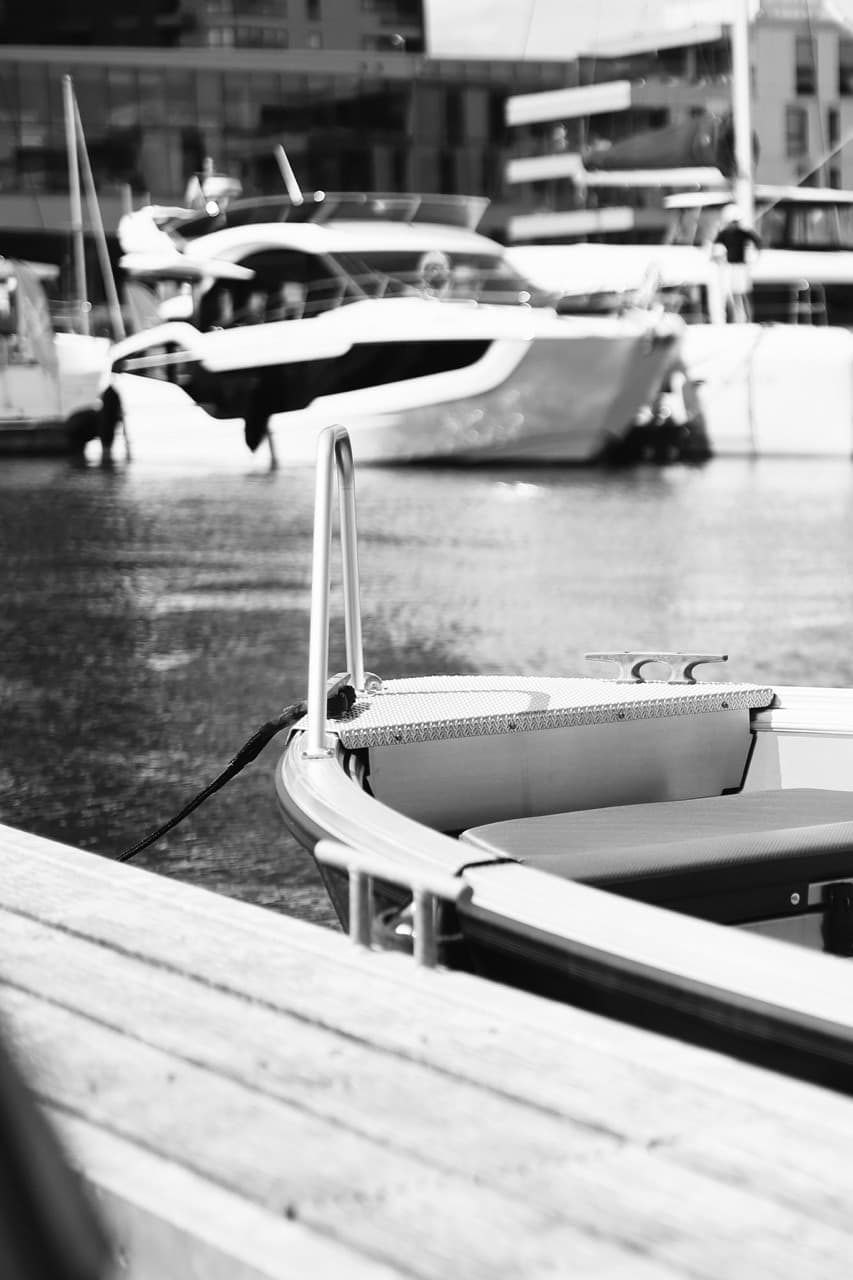
Polboat Yacht Festival 26' 1
Polboat Yacht Festival 26' 2
Polboat Yacht Festival 26' 3
Polboat Yacht Festival 26' 4
Polboat Yacht Festival 26' 5
Polboat Yacht Festival 26' 6
Polboat Yacht Festival 26' 7
Polboat Yacht Festival 26' 8
Polboat Yacht Festival 26' 9
Polboat Yacht Festival 26' 10
Polboat Yacht Festival 26' 11
Polboat Yacht Festival 26' 12
Polboat Yacht Festival 26' 13
Polboat Yacht Festival 26' 14
Polboat Yacht Festival 26' 15
Polboat Yacht Festival 26' 16
Polboat Yacht Festival 26' 17
Polboat Yacht Festival 26' 18
Polboat Yacht Festival 26' 19
Polboat Yacht Festival 26' 20
Polboat Yacht Festival 26' 21
Polboat Yacht Festival 26' 22
Polboat Yacht Festival 26' 23
Polboat Yacht Festival 26' 24
Polboat Yacht Festival 26' 25
Polboat Yacht Festival 26' 26
Polboat Yacht Festival 26' 27
Polboat Yacht Festival 26' 28
Polboat Yacht Festival 26' 29
Polboat Yacht Festival 26' 30
Polboat Yacht Festival 26' 31
Polboat Yacht Festival 26' 32
Polboat Yacht Festival 26' 33
Polboat Yacht Festival 26' 34

Polboat Yacht Festival 26'

Question
What is the state of Polish yacht industry in 26'?
Medium
Photography
Year
2026
Role
Photographer

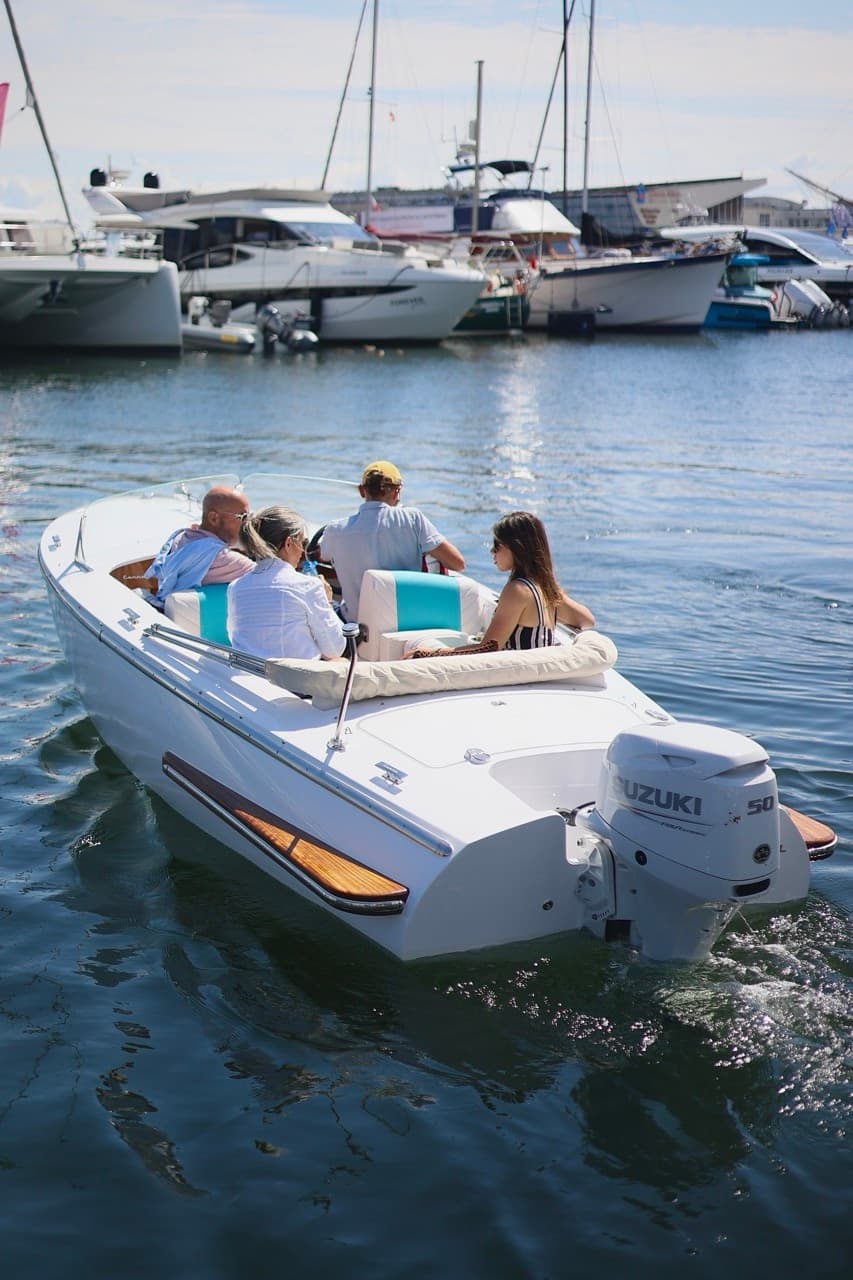
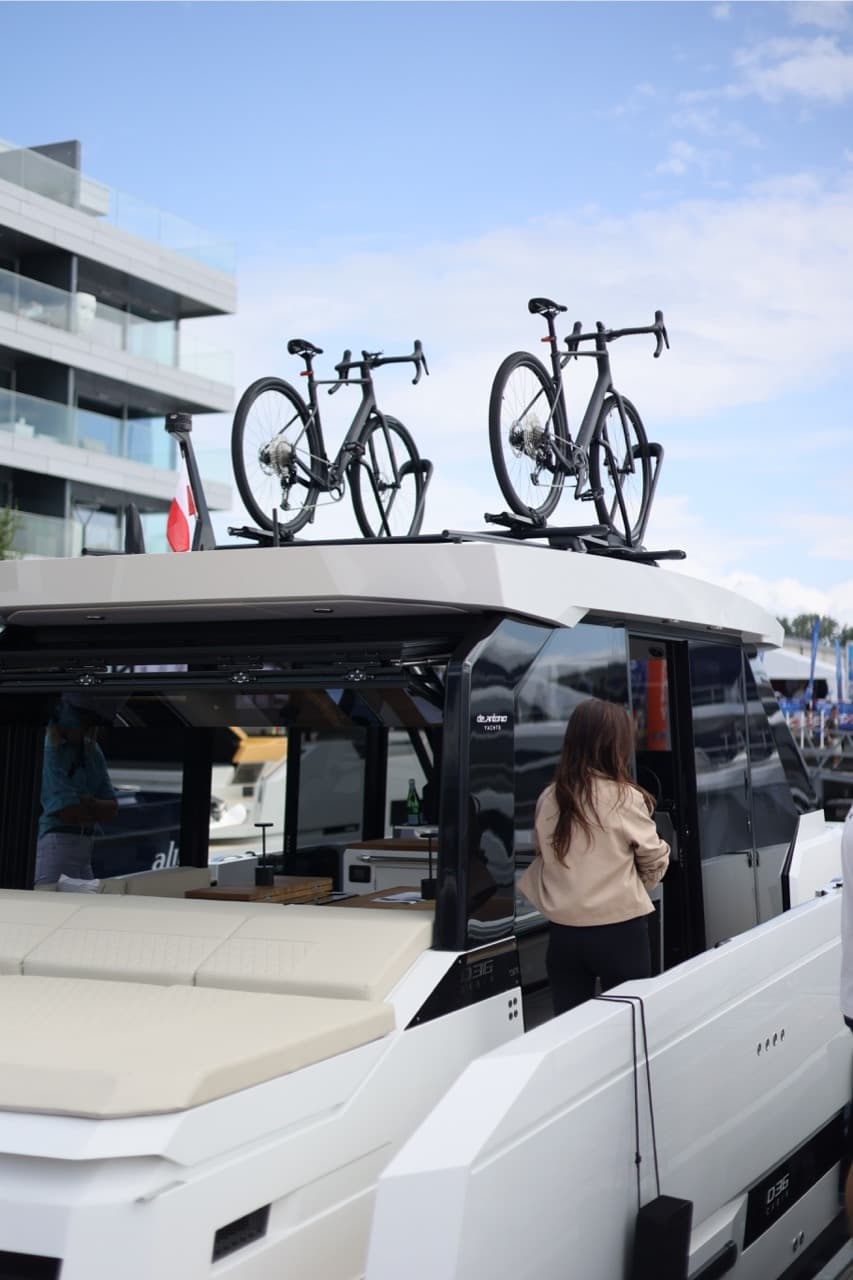
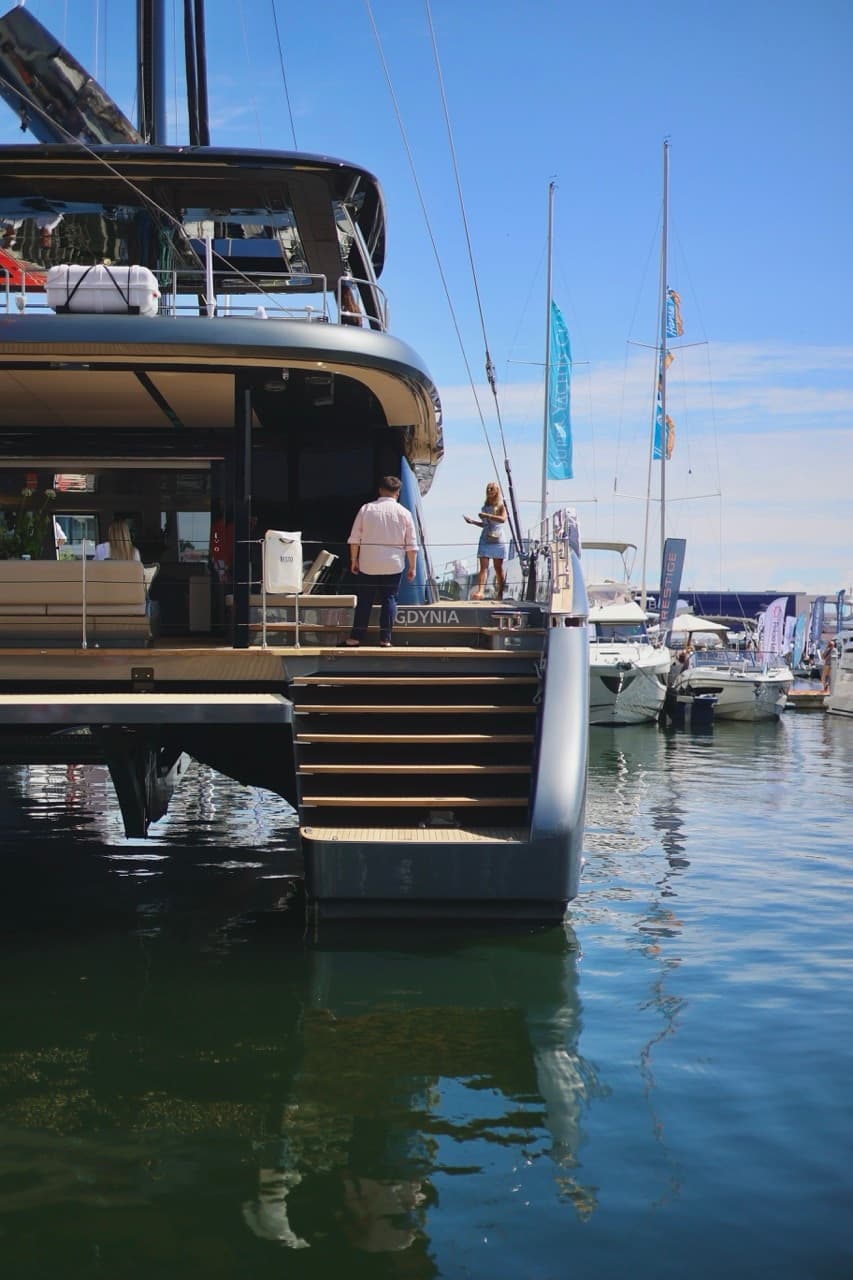
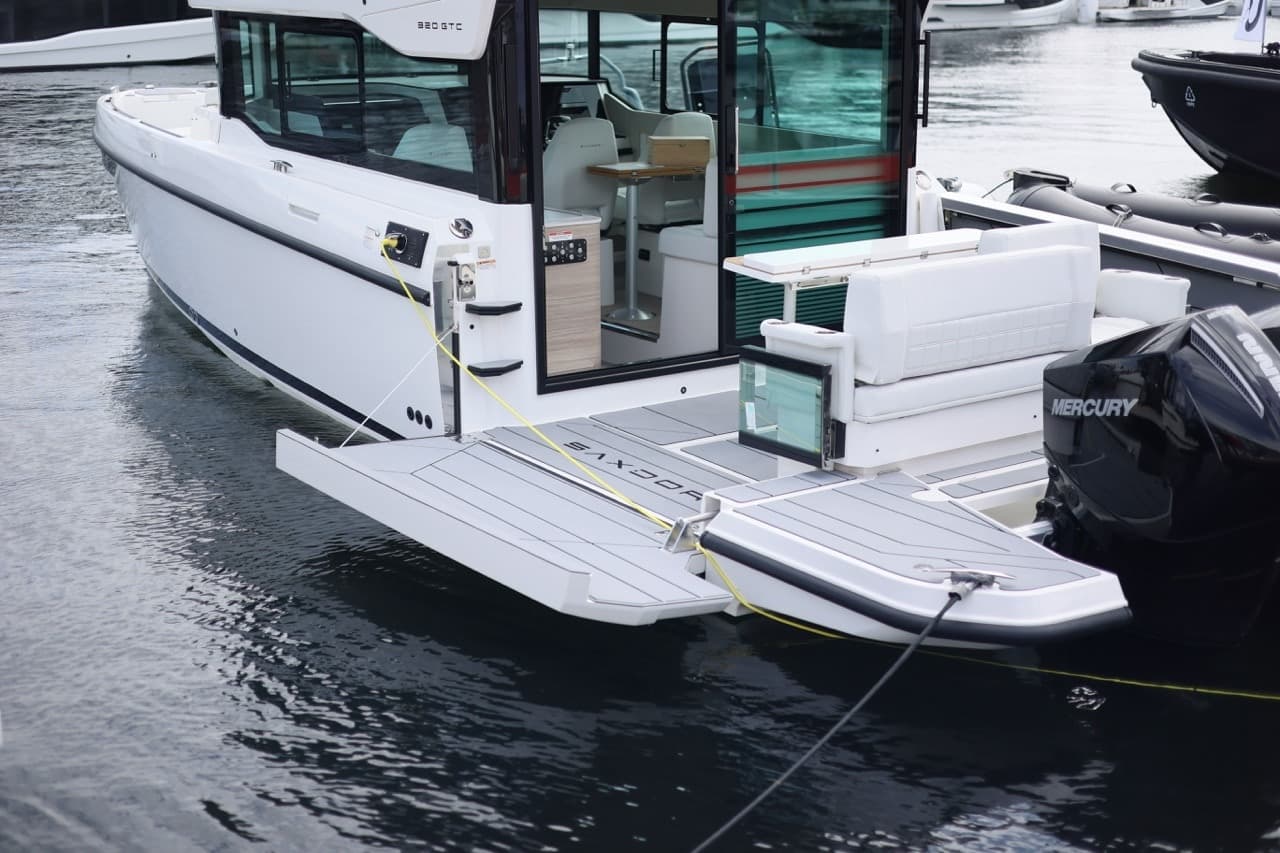
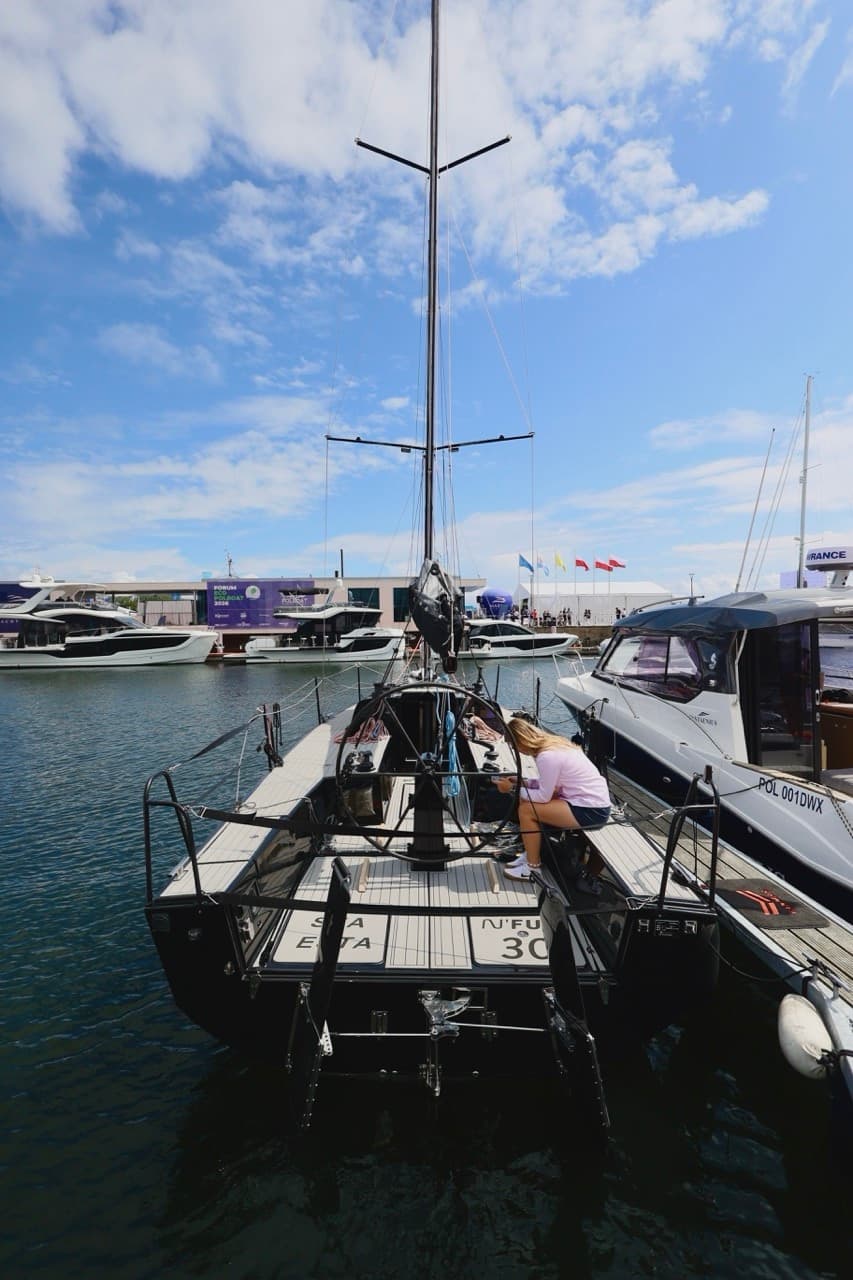
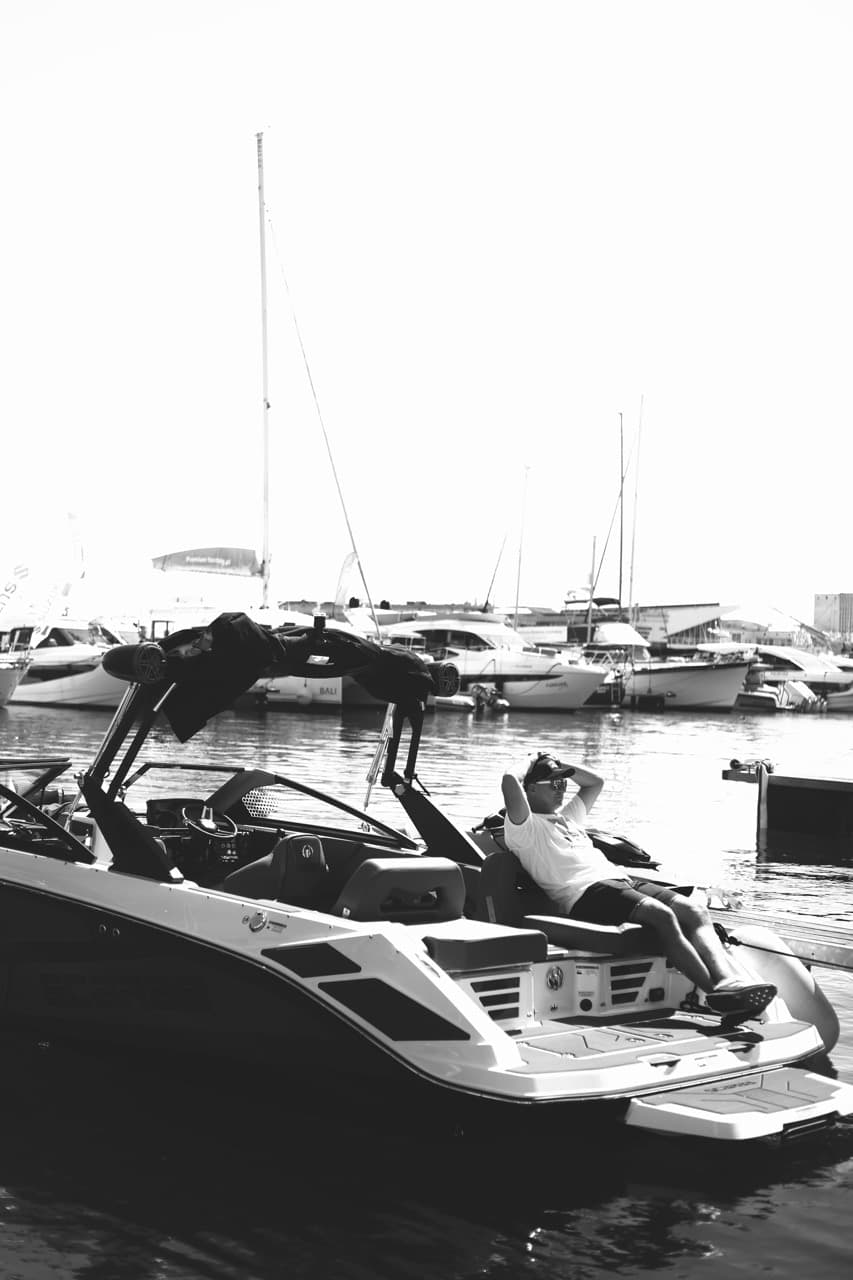
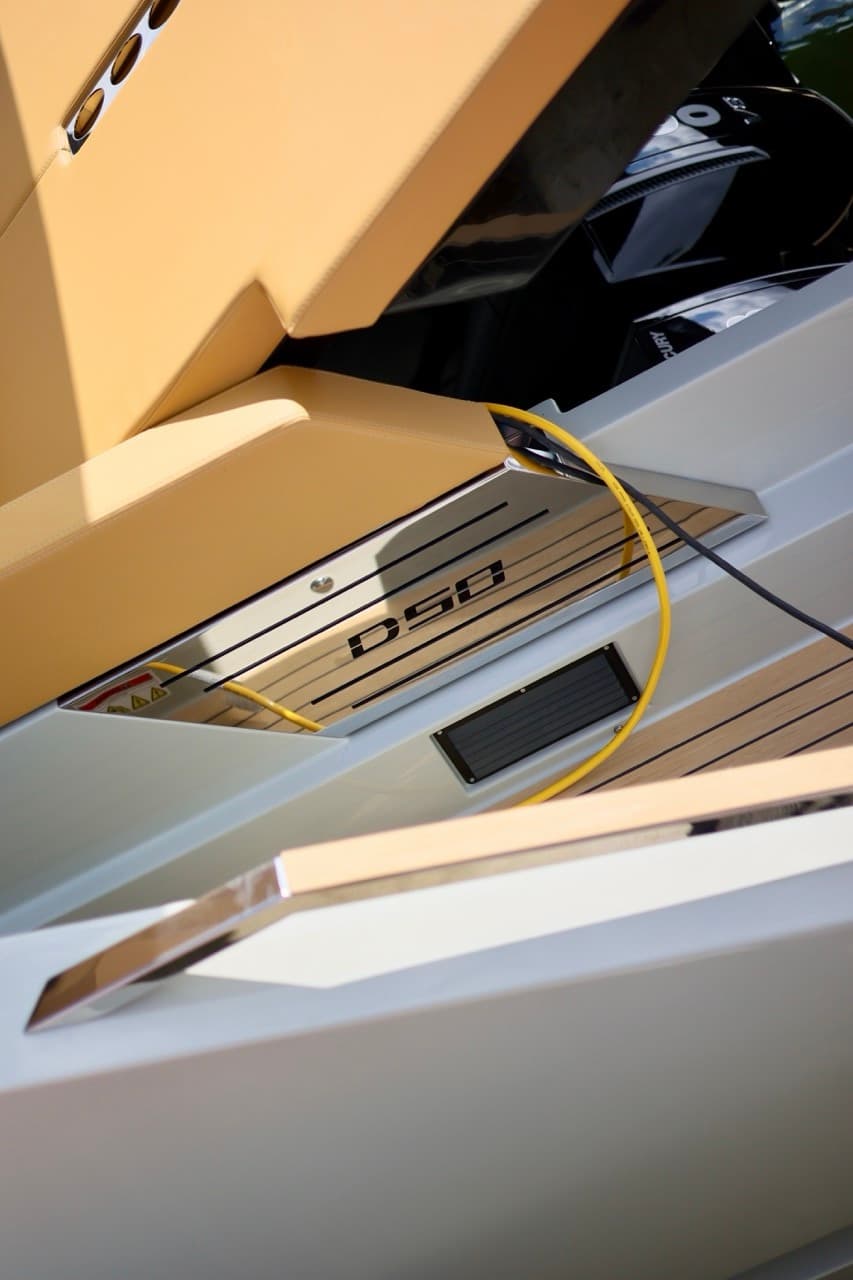
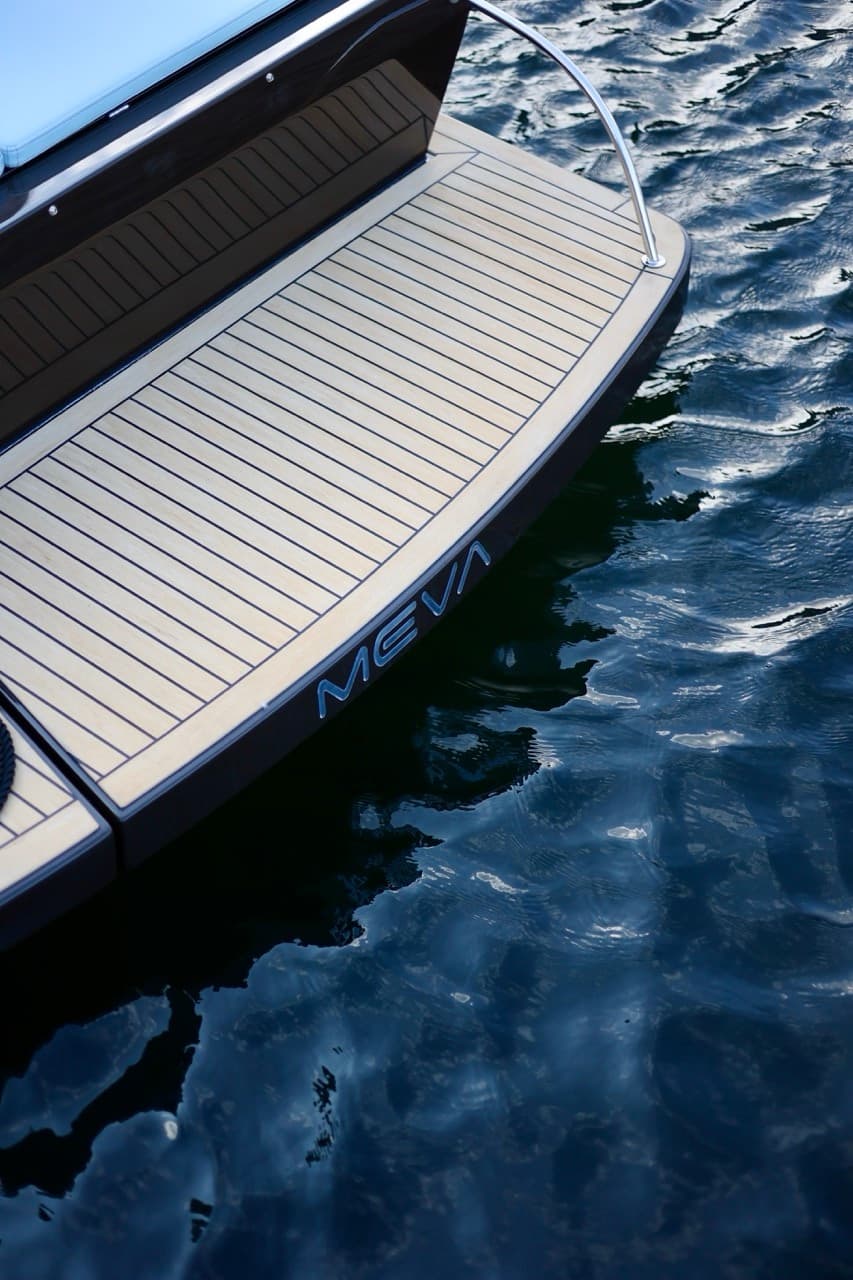
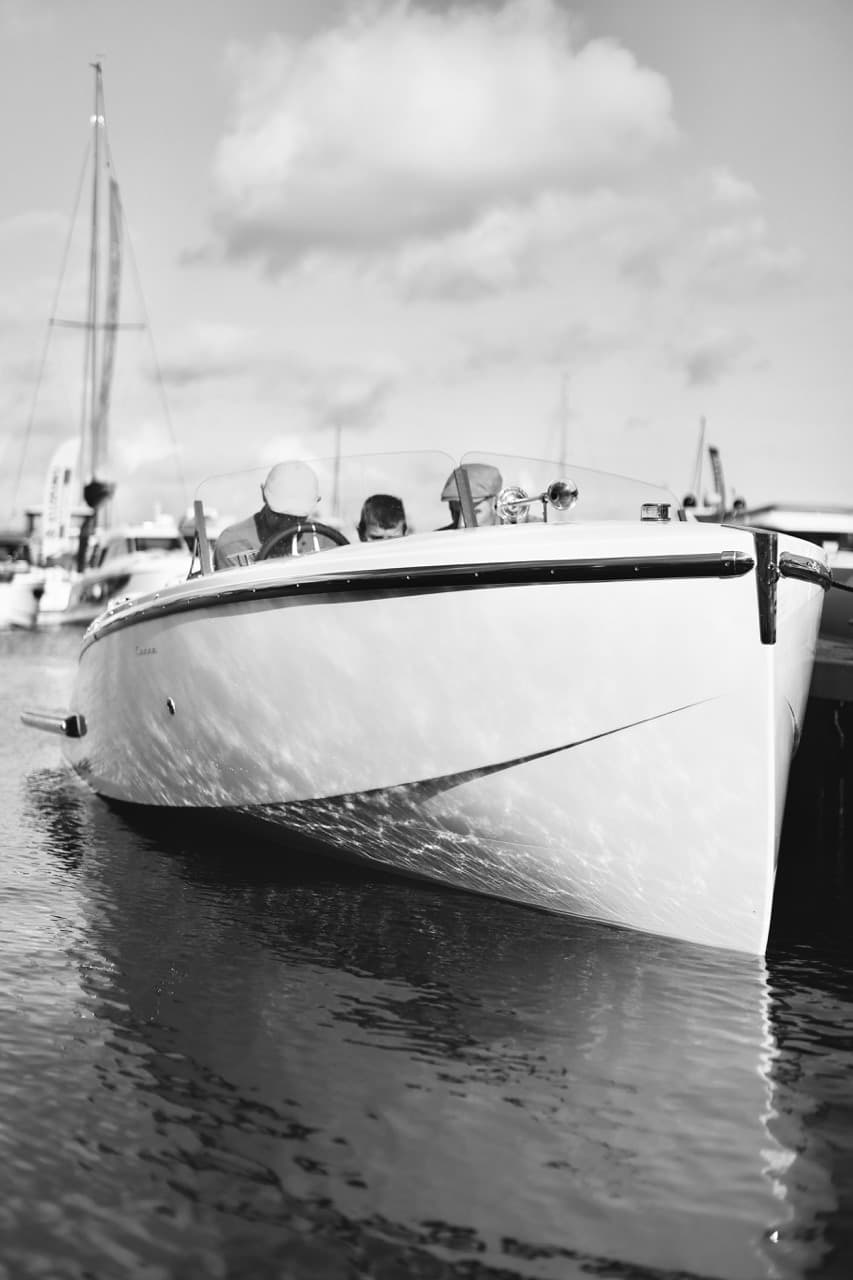
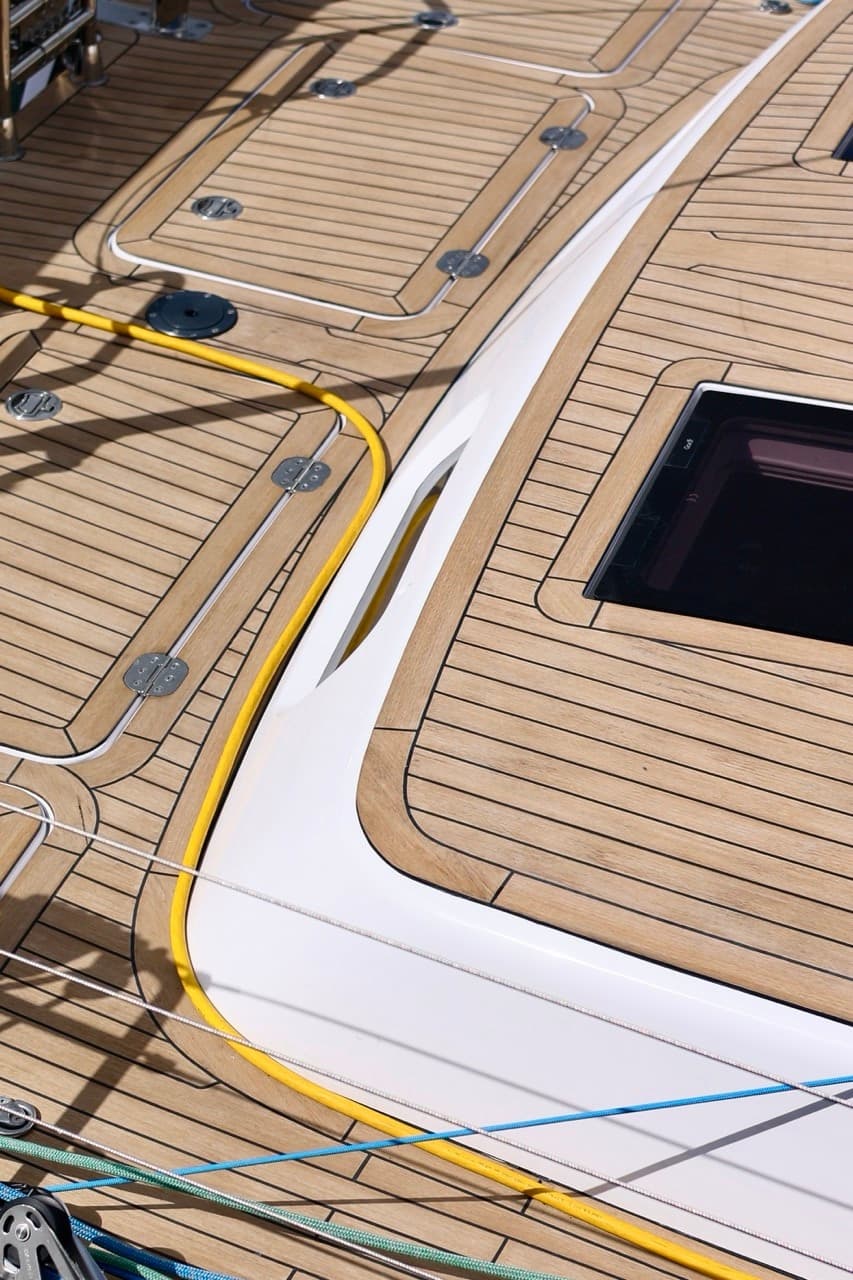
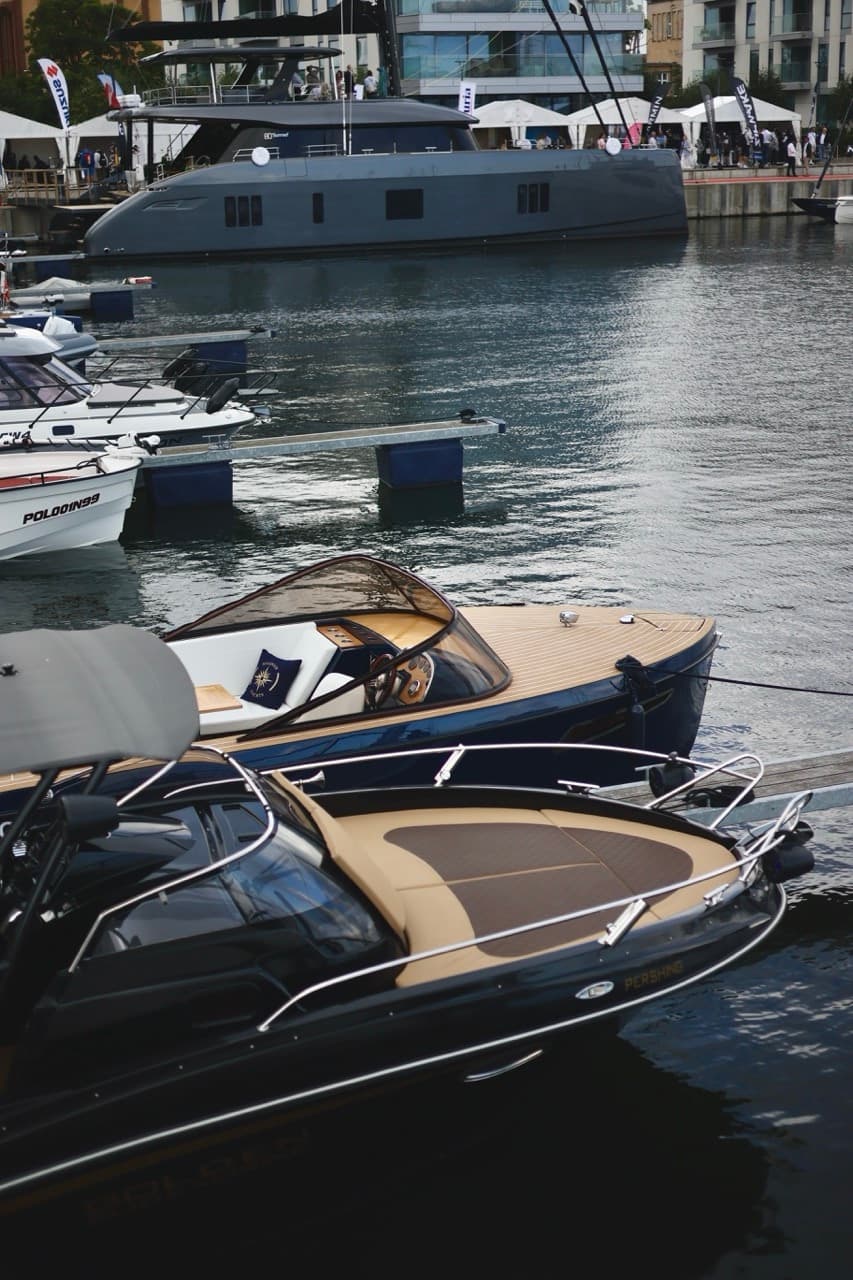
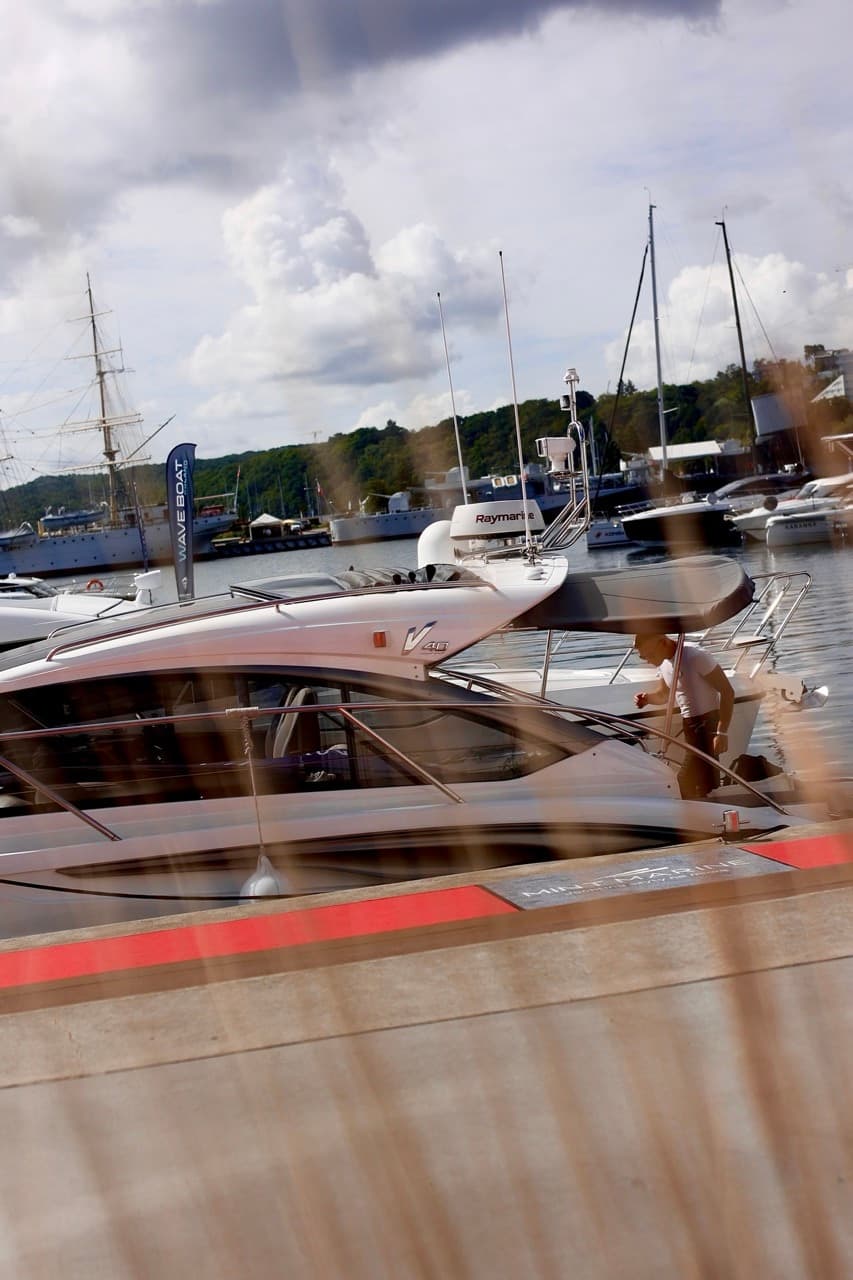
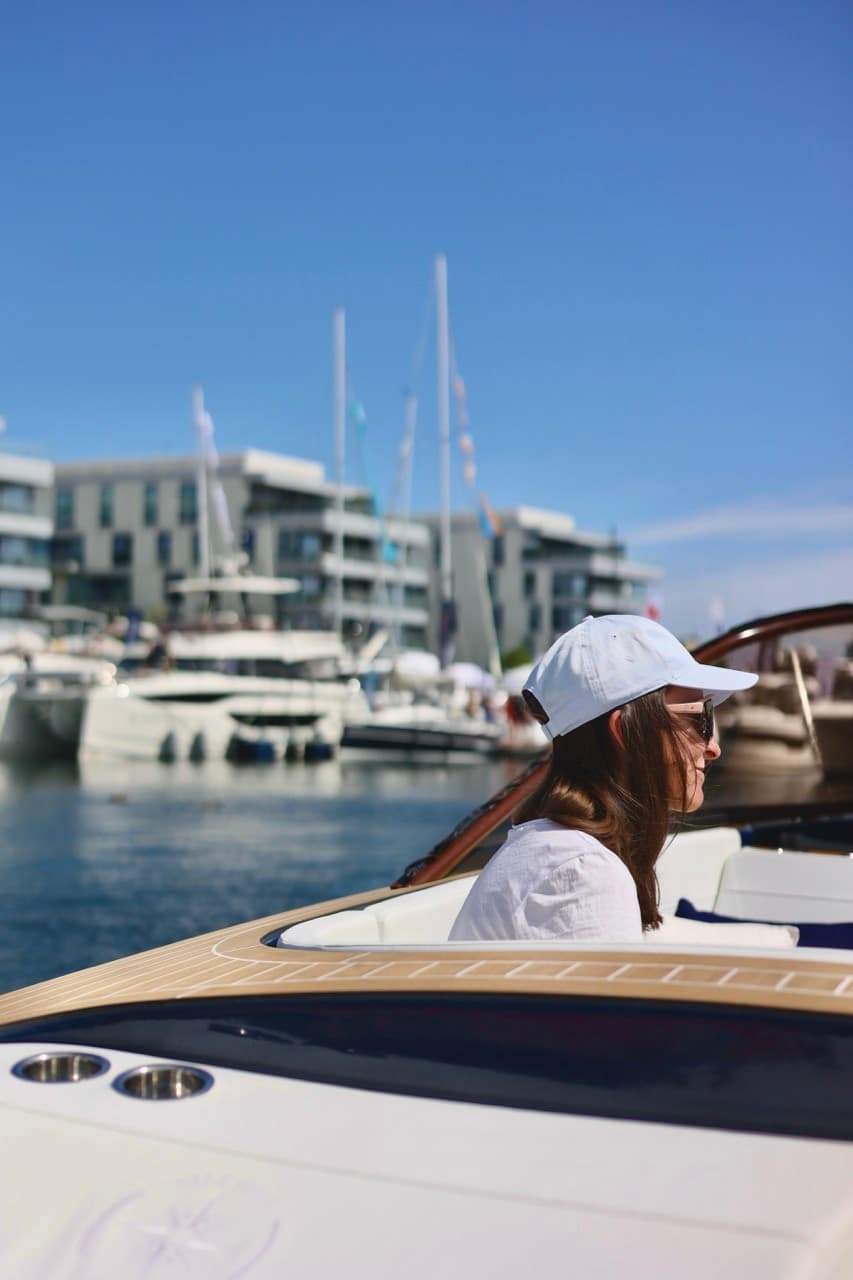
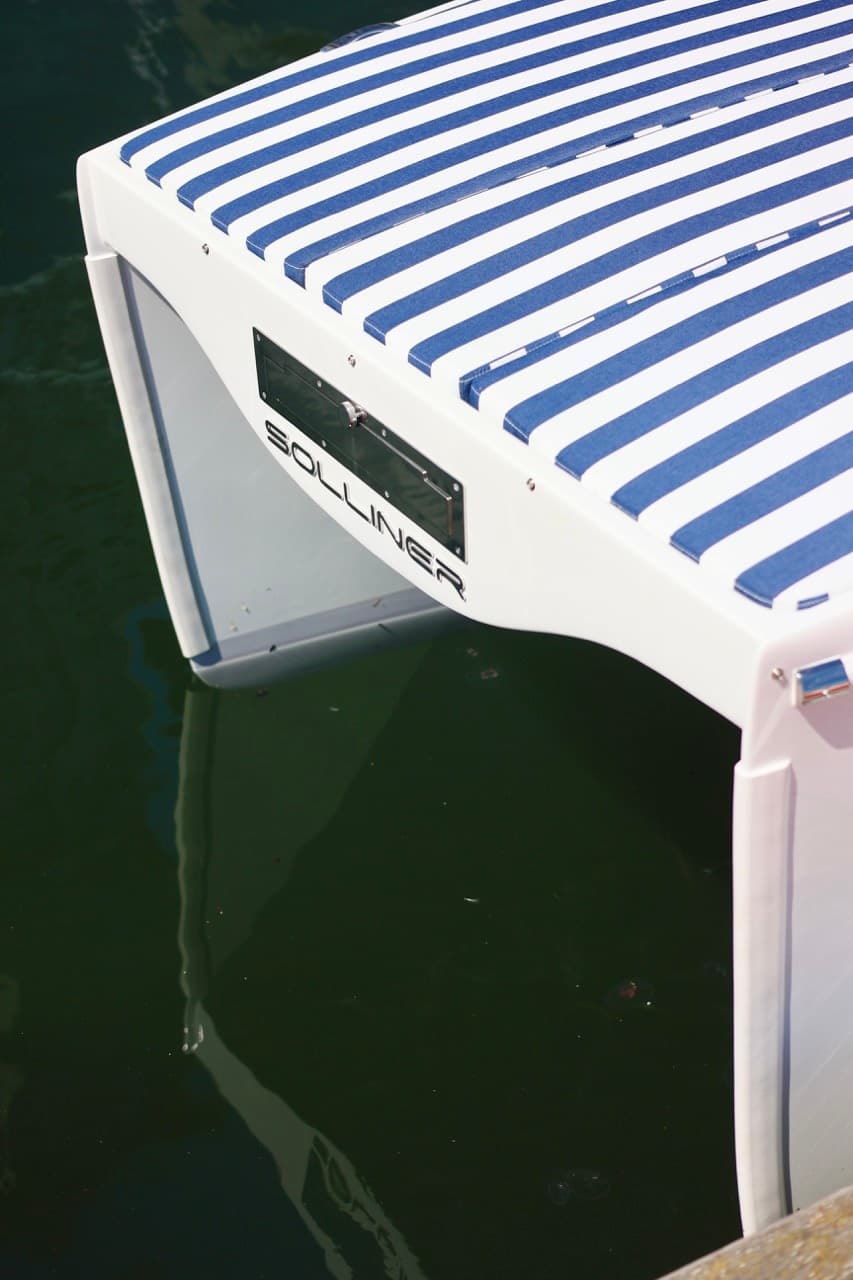
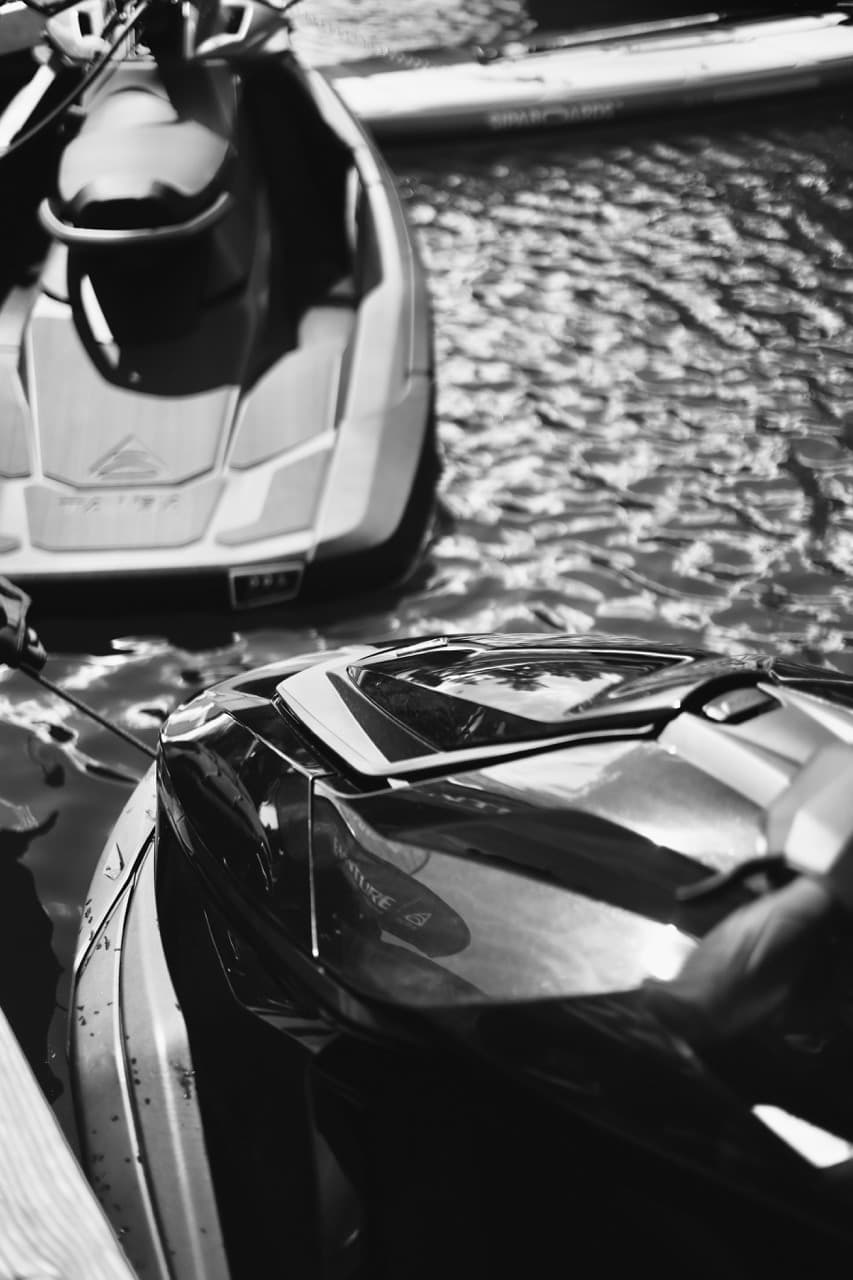
A research and photography expedition at the Polboat Yacht Festival to document the future of naval architecture, sustainable materials, and marine UI/UX.

Polboat Yacht Festival 26', project view 2
Polboat Yacht Festival 26', project view 3

You arrived at the 2026 Polboat Yacht Festival in Gdynia with a dual lens—as both a Naval Architecture student and a photographer. What sparked the urge to document the docks in person?

As a new naval architecture student at Politechnika Morska w Szczecinie, I wanted to understand how textbook physics and stability calculations actually translate into the real world. University gives you the mathematical baseline, but building a vessel requires systemic thinking—solving marketing, finding the right shipyard, securing tech partners, and navigating unwritten rules. Carrying a camera let me bridge that gap immediately, capturing design details and talking to leaders across the industry to see where real innovation is happening before graduating.

Polboat Yacht Festival 26', project view 4
Polboat Yacht Festival 26', project view 5

During the festival, you discussed using High-Density Polyethylene (HDPE)—a material typically reserved for heavy-duty workboats—for the leisure market. What opportunity do you see there?

In my conversation with Bruno Tideman of Tideman Boats, he highlighted how indestructible HDPE hulls are—the boat essentially acts as its own fender. When someone spends millions on a luxury yacht, their biggest lingering stress is scratching the hull in port because repairs are astronomical. The industry assumes luxury buyers only want pristine, fragile 'floating hotels.' But an HDPE leisure boat shifts the value proposition from fragile luxury to freedom from anxiety, solving a maintenance headache that keeps many prospective owners off the water.

Polboat Yacht Festival 26', project view 6
Polboat Yacht Festival 26', project view 7

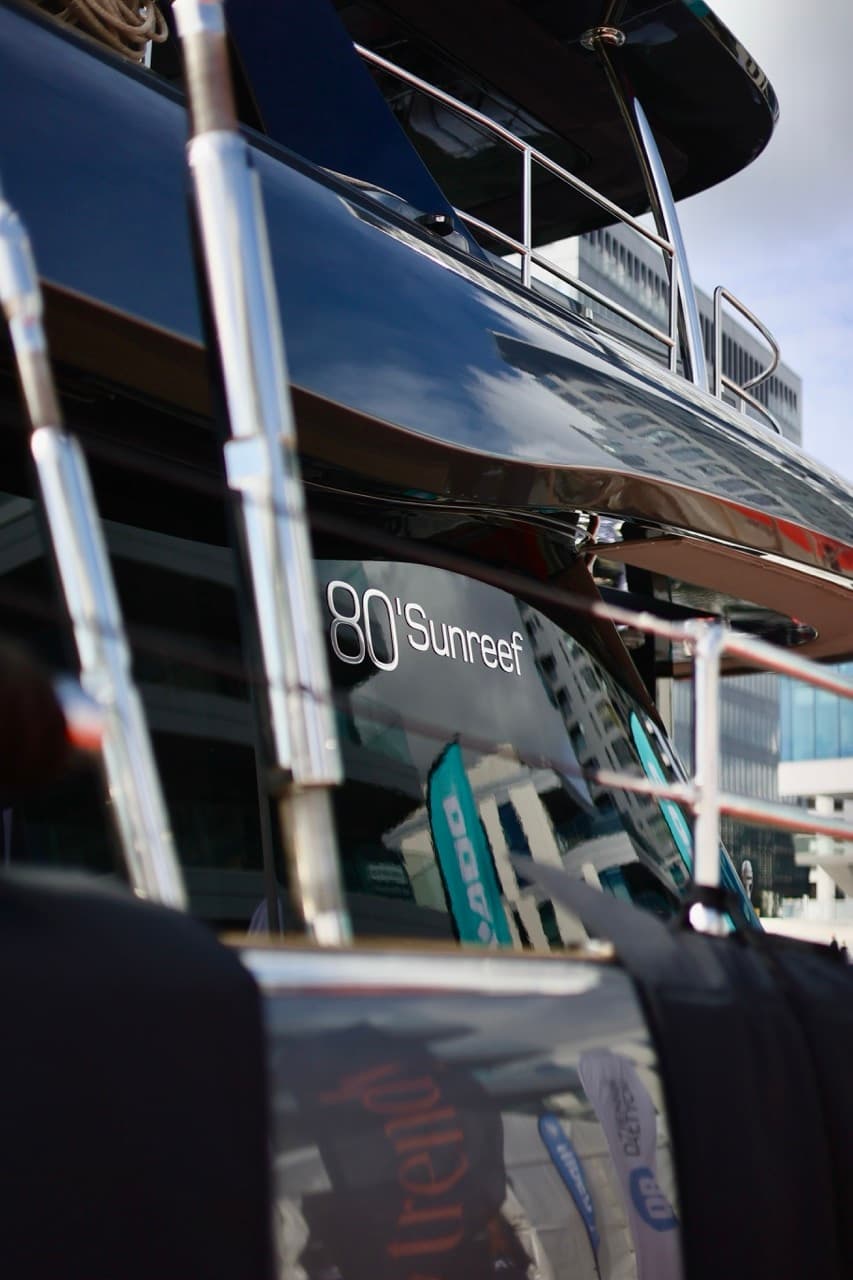
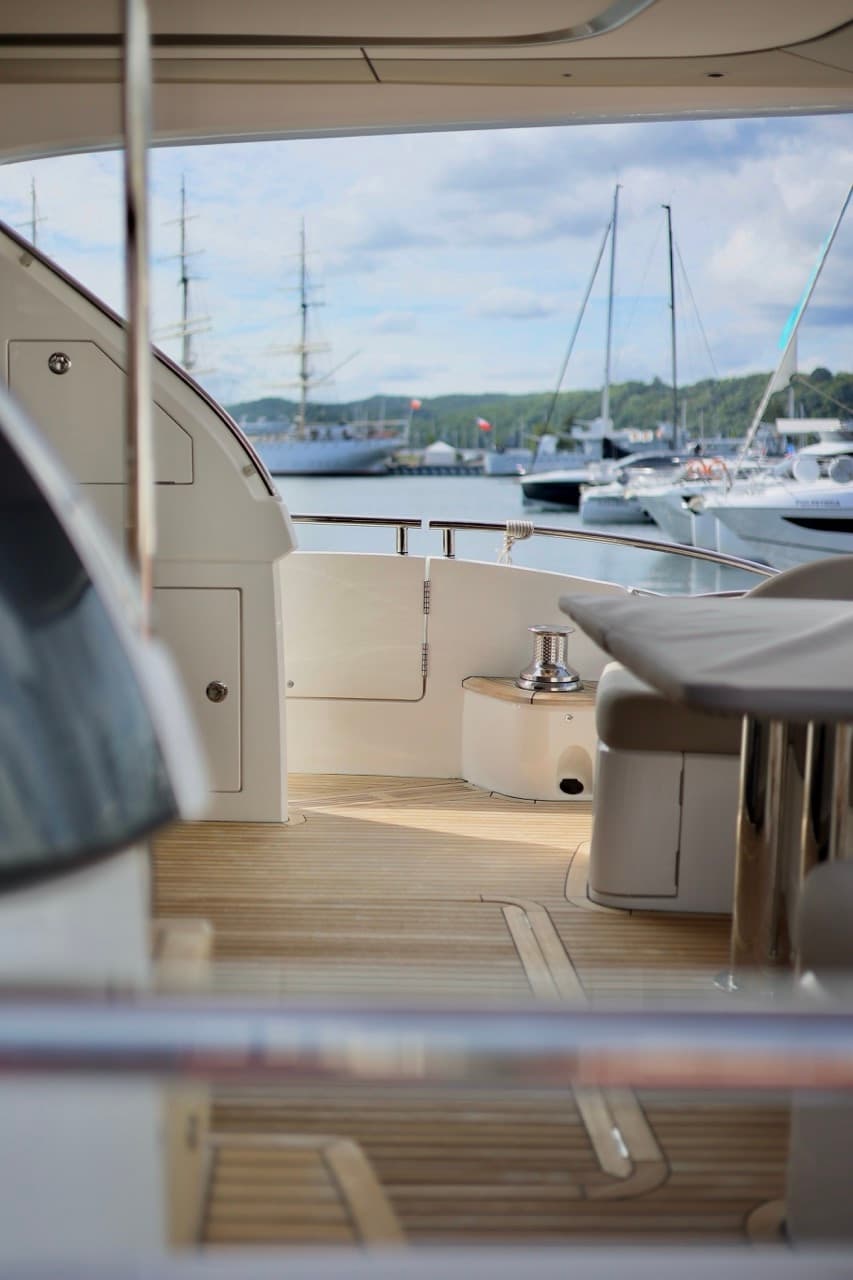
Through your camera lens, you documented details across hulls from Sunreef to Galeon. What visual or structural shifts did you spot that break from traditional naval architecture?

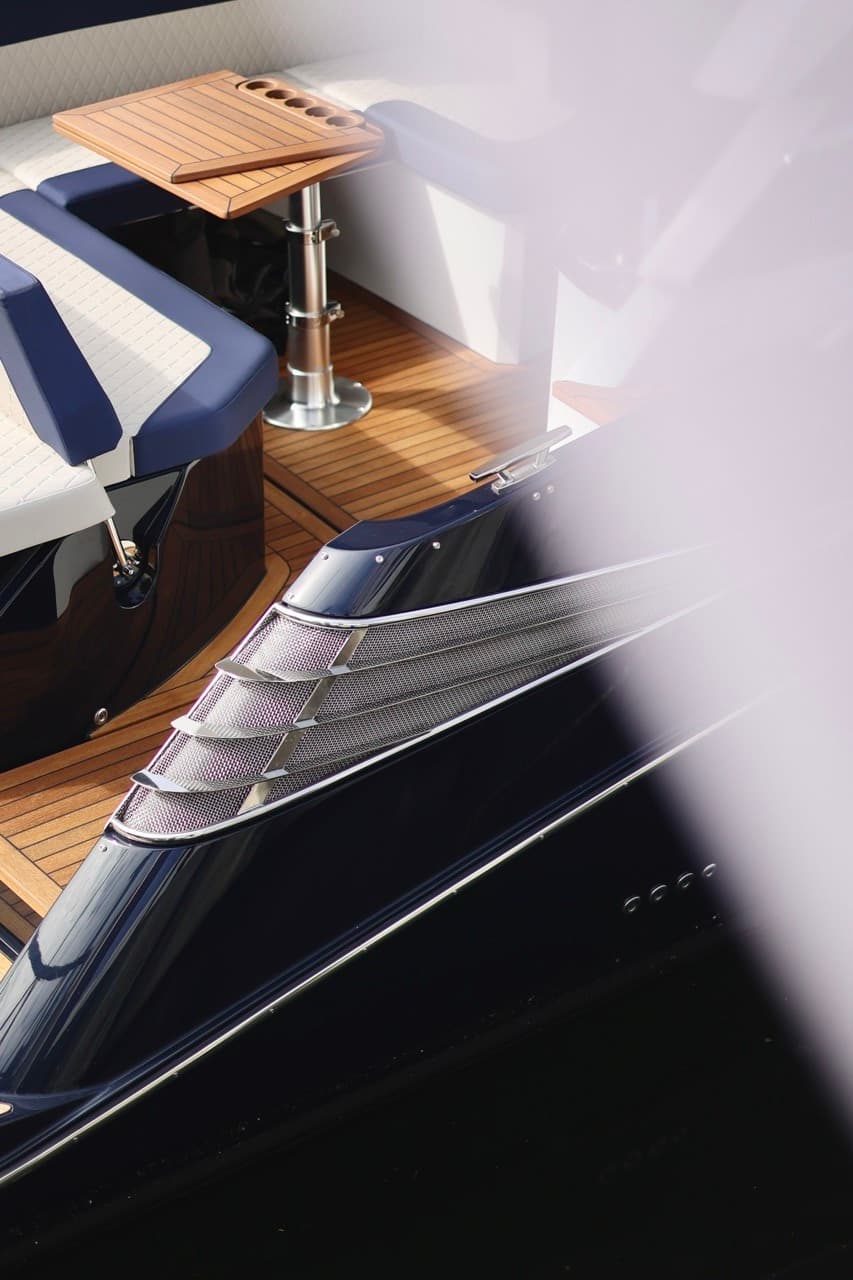
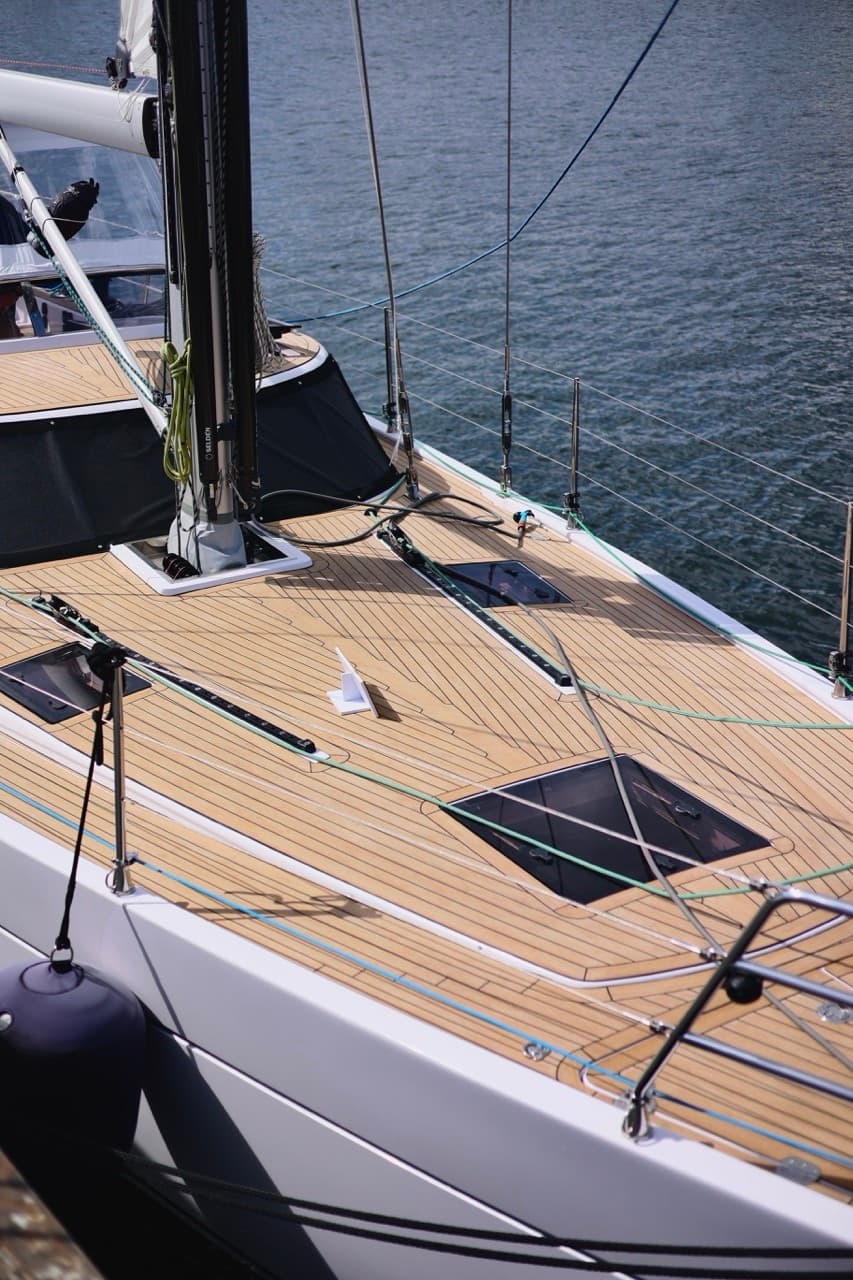
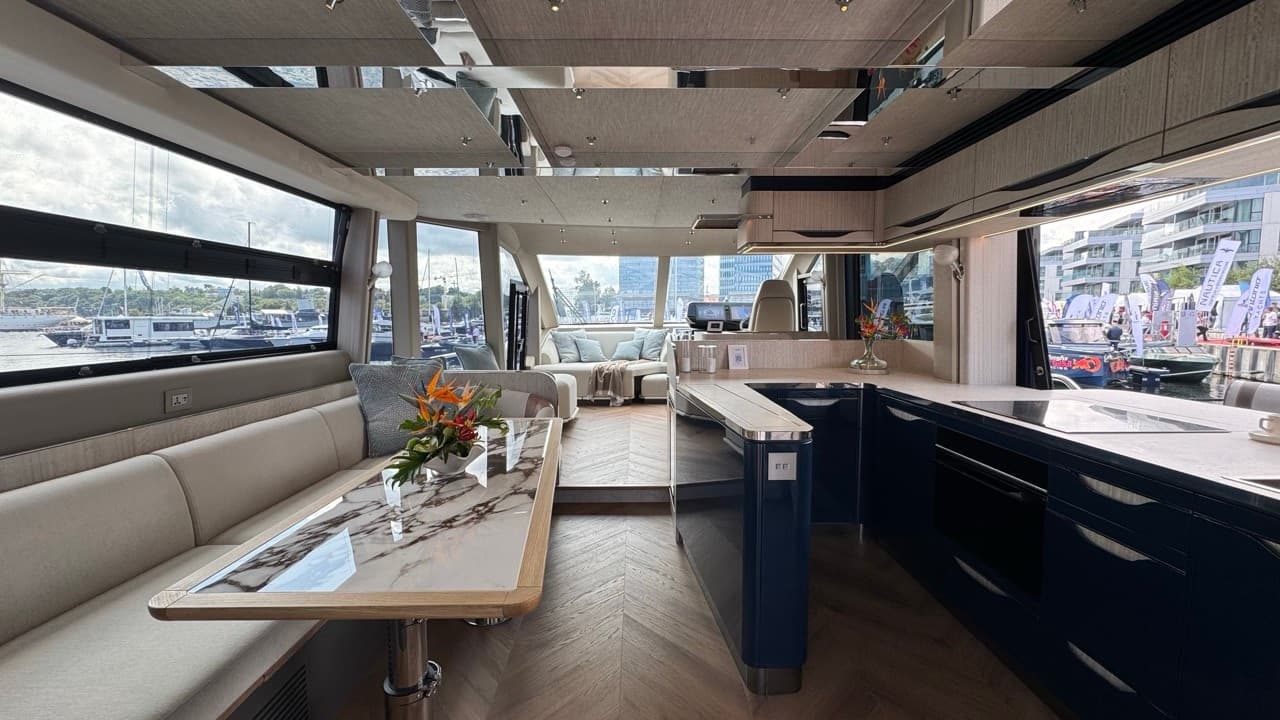
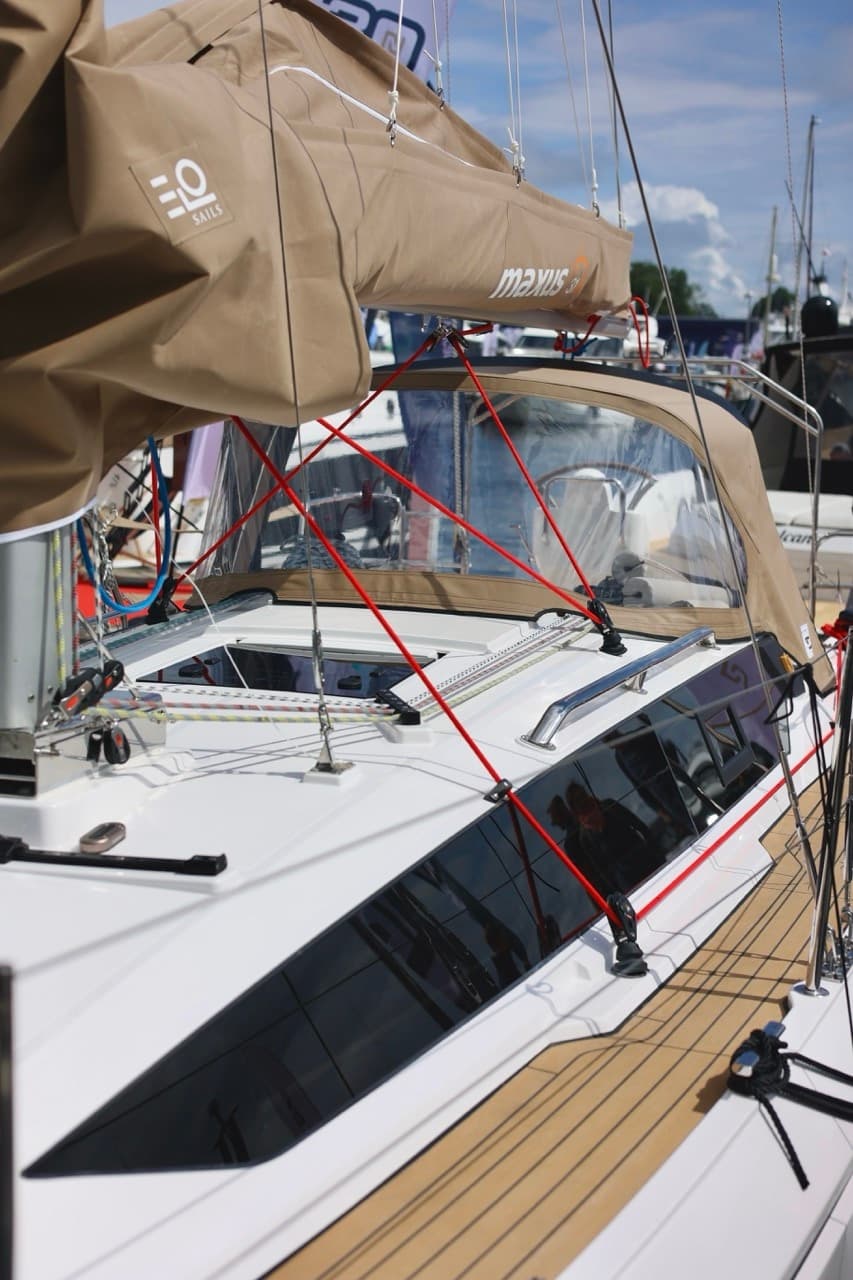
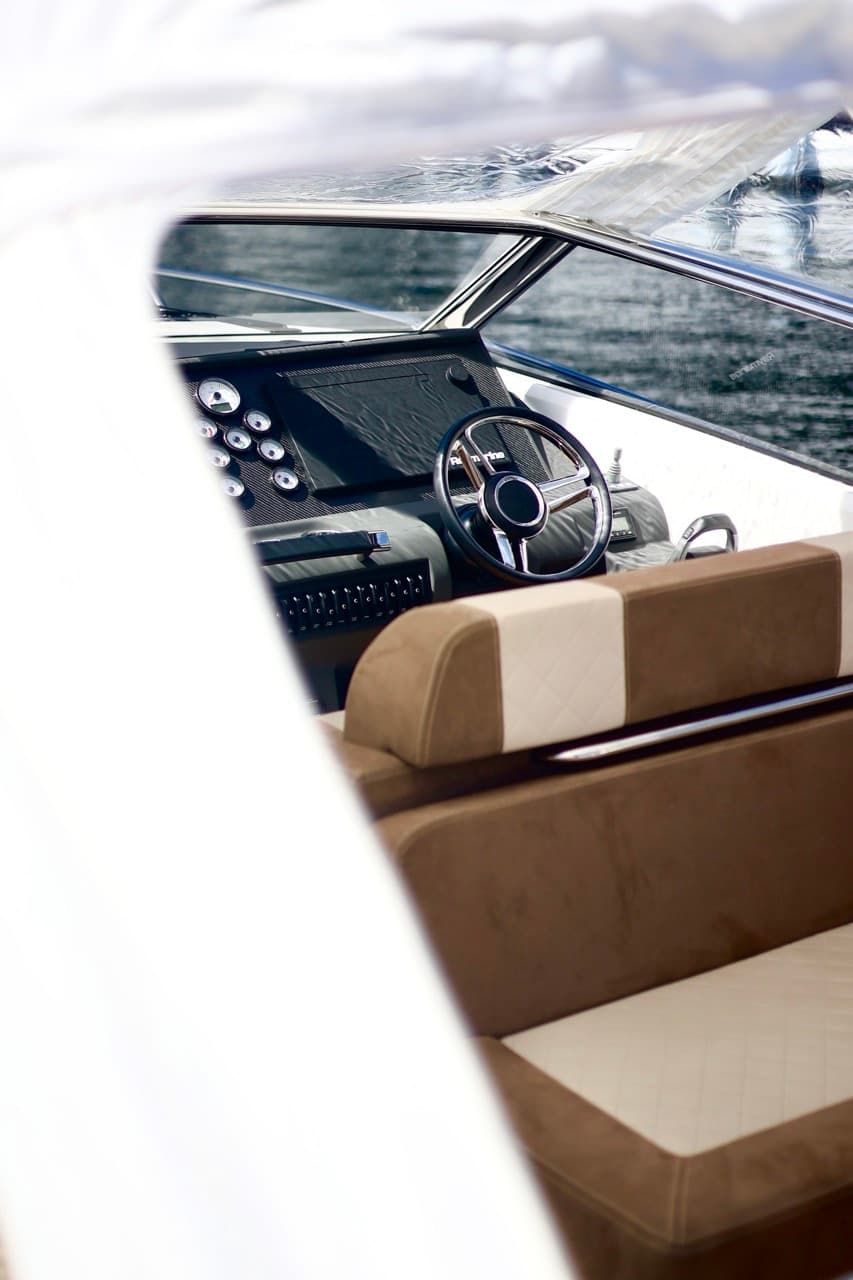
I saw a move toward cleaner lines and healthier living environments aboard. Some builders are stripping away unnecessary deck levels and safety rail barriers (relingi) to simplify profiles and unify spaces. There is also a major shift toward introducing natural light into lower cabins using reinforced glass and roof windows. Applying 'healthy home' principles—light, air, and thermal comfort—redefines the interior from a dark, basement-like cabin into an open, living architecture.

Polboat Yacht Festival 26', project view 8
Polboat Yacht Festival 26', project view 9

You’ve proposed a layout concept centered around 'nomadic communities' on the water. How would that change the physical and social ergonomics of a vessel?

Most luxury yachts are built as isolated private islands. I want to design specifically for social context. My concept explores standardized bow and stern connectors that allow vessels to 'plug in' to one another using a quick, secure system. While underway or in heavy seas, the vessel remains compact and self-contained; once anchored, boats can link together into floating communal spaces without giving up individual autonomy.

Polboat Yacht Festival 26', project view 10
Polboat Yacht Festival 26', project view 11

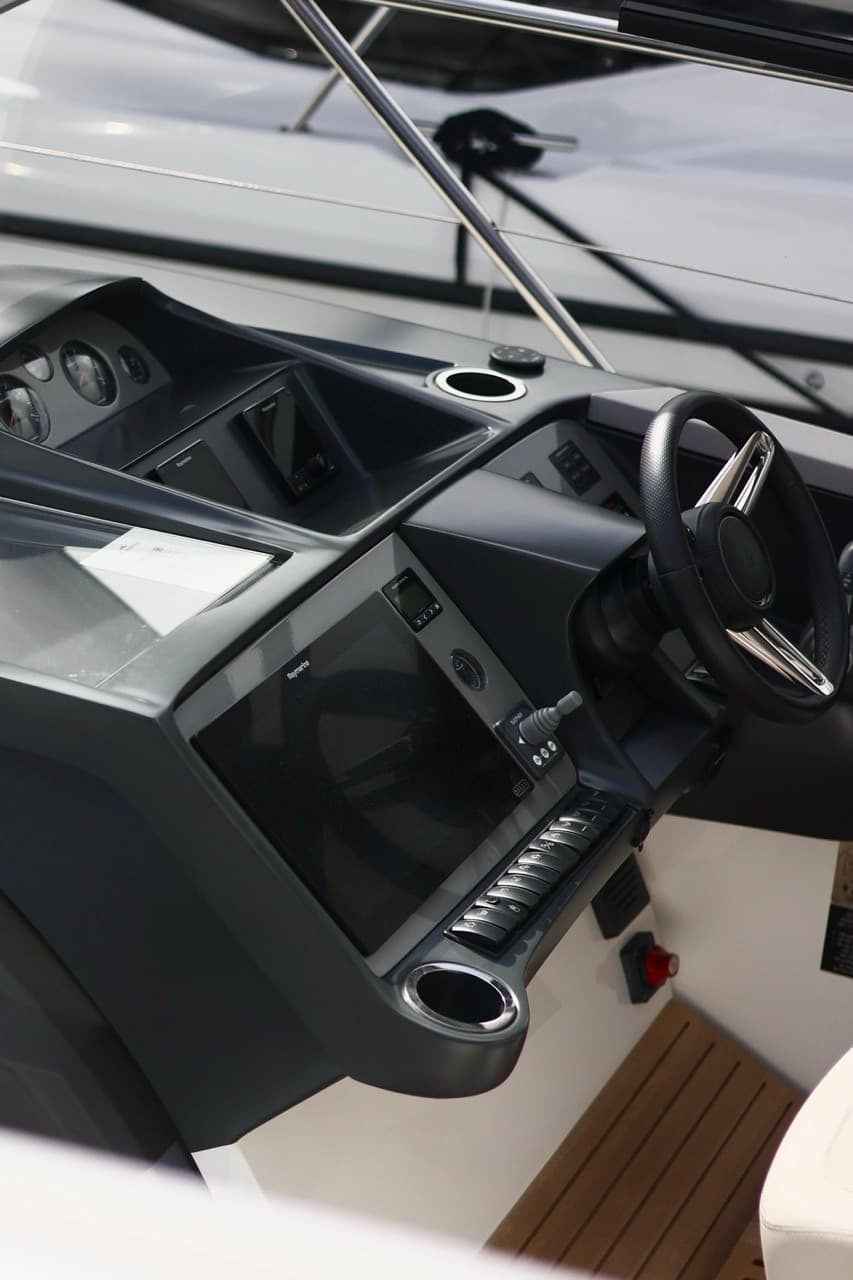
You also spent time examining bridge UI/UX with industry leaders like Tomi Juhola. What is missing in modern marine electronics?

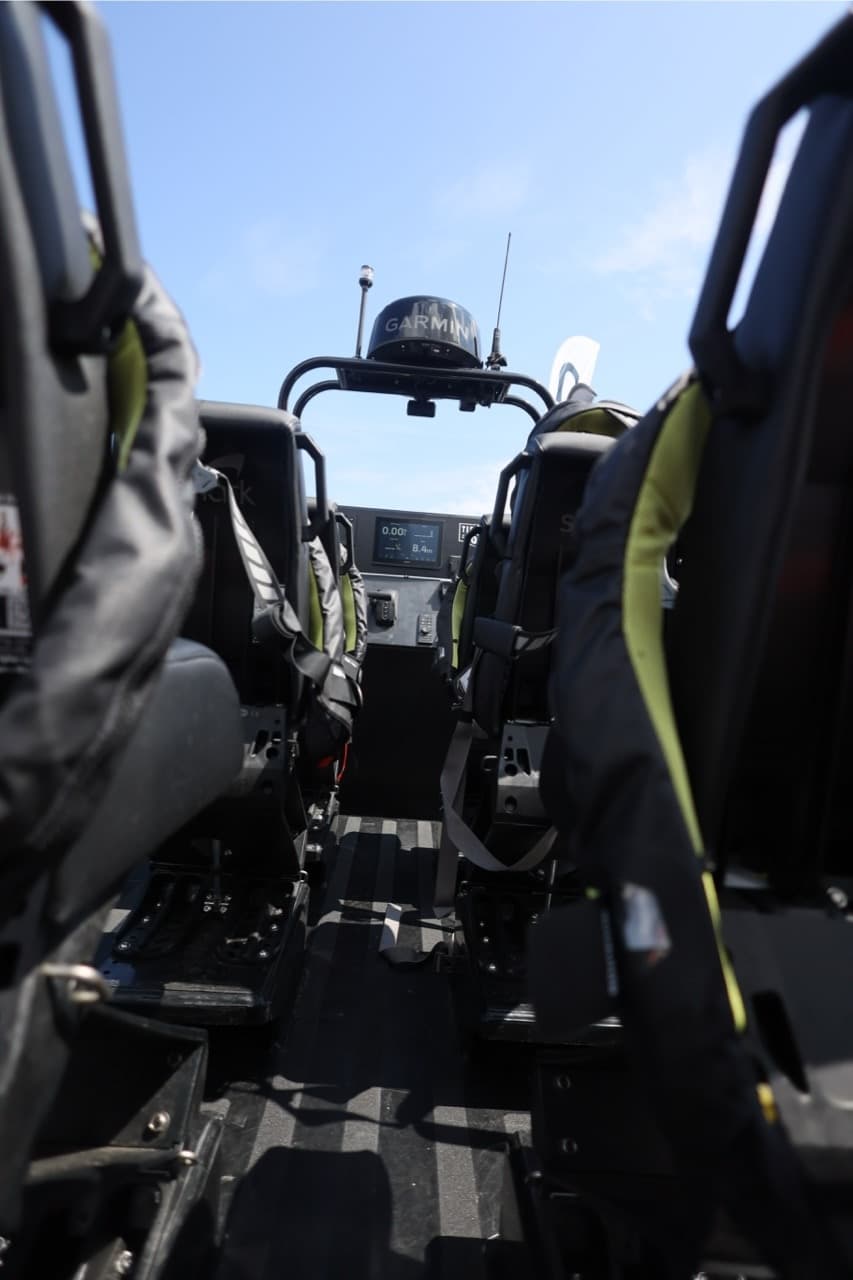
Tomi Juhola’s team at Yamaha Motor Group developed impressive proprietary plotter tablets, but marine bridge electronics remain closed ecosystems. Having done ocean night watches myself, you spend long hours looking out over open water. There is a huge opportunity for an open maritime application platform—letting sailors share depth data, leave digital notes at GPS coordinates, run educational tools, or communicate across long-range wireless without needing internet access.

Polboat Yacht Festival 26', project view 12
Polboat Yacht Festival 26', project view 13

Boatbuilding usually relies on massive capital investment before a single vessel hits the market. How would you apply software startup methodologies to naval architecture?

The assumption that you must build a multi-million-euro boat just to see if anyone will buy it is an expensive legacy mindset. By leveraging digital concepting, 3D modeling, and direct audience research, you can test ideas long before laying down composite or aluminum. Identifying real pain points allows you to launch reservation packages and waitlists to validate market demand first, turning prospective owners into co-creators before committing to full shipyard production.

Polboat Yacht Festival 26', project view 14
Polboat Yacht Festival 26', project view 15

Looking back at your research in Gdynia, how has your lead question about the future of the Polish yacht industry evolved?

I began by asking about current manufacturing standards and design trends. Now, my question is broader: how can naval architecture position life on the water as a genuine, accessible alternative to city living? Electrification is a necessary baseline, but the real revolution lies in rethinking why we go to sea—moving away from 5-million-euro floating hotels toward durable, light-filled, community-oriented vessels that make living on the water liberating rather than stress-inducing.

Polboat Yacht Festival 26', project view 16
Polboat Yacht Festival 26', project view 17
Polboat Yacht Festival 26', project view 18
Polboat Yacht Festival 26', project view 19
Polboat Yacht Festival 26', project view 20
Polboat Yacht Festival 26', project view 21
Polboat Yacht Festival 26', project view 22
Polboat Yacht Festival 26', project view 23
Polboat Yacht Festival 26', project view 24
Polboat Yacht Festival 26', project view 25
Polboat Yacht Festival 26', project view 26
Polboat Yacht Festival 26', project view 27
Polboat Yacht Festival 26', project view 28
Polboat Yacht Festival 26', project view 29
Polboat Yacht Festival 26', project view 30
Polboat Yacht Festival 26', project view 31
Polboat Yacht Festival 26', project view 32
Polboat Yacht Festival 26', project view 33
Polboat Yacht Festival 26', project view 34
Polboat Yacht Festival 26', project view 35

See other projects