CursorParty

Question
How can we connect people over what they are already interested in?
Medium
Design, Software, UI/UX
Year
2026
Role
Product Designer & Engineer (Founder)
Open link

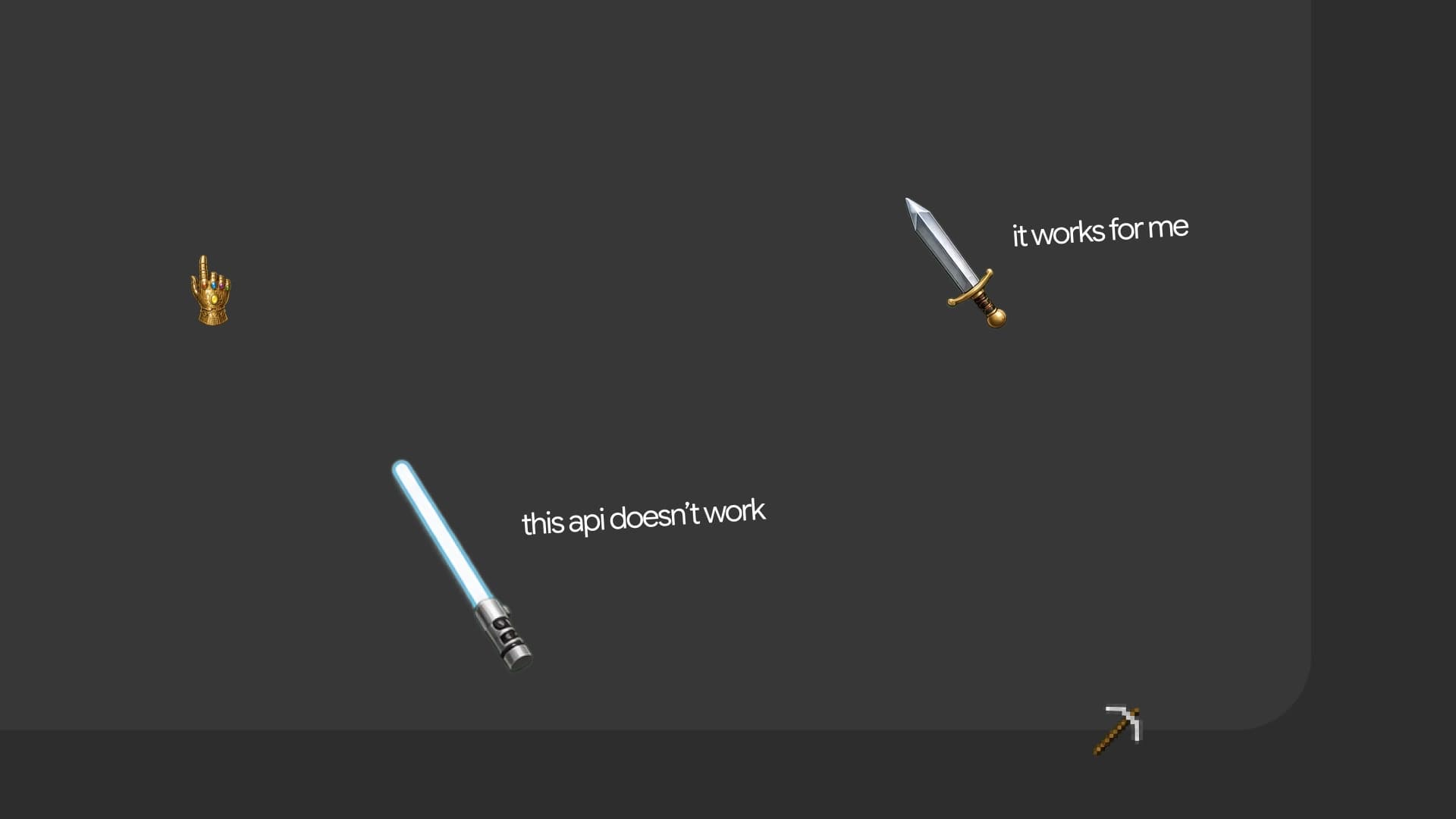
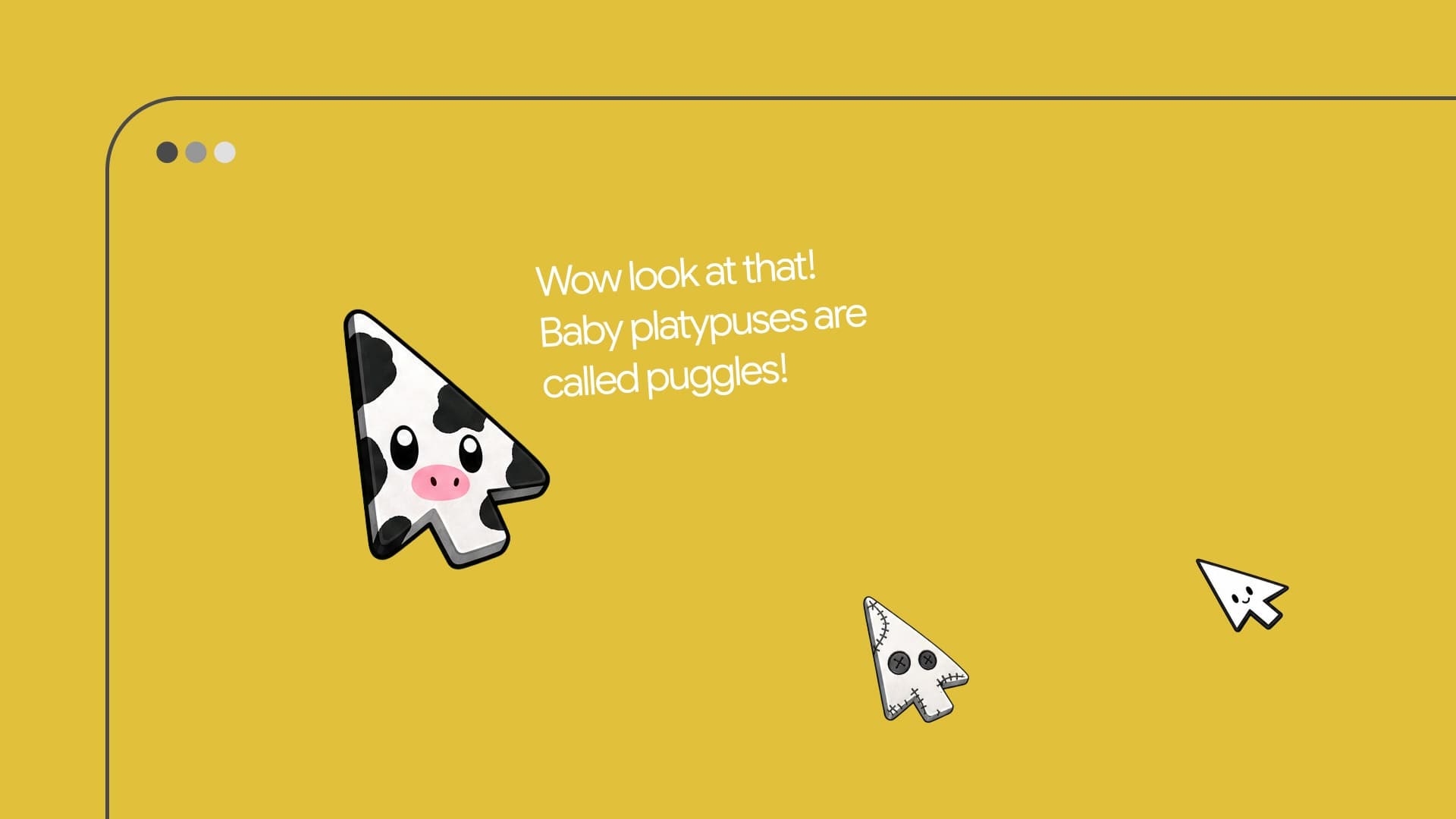
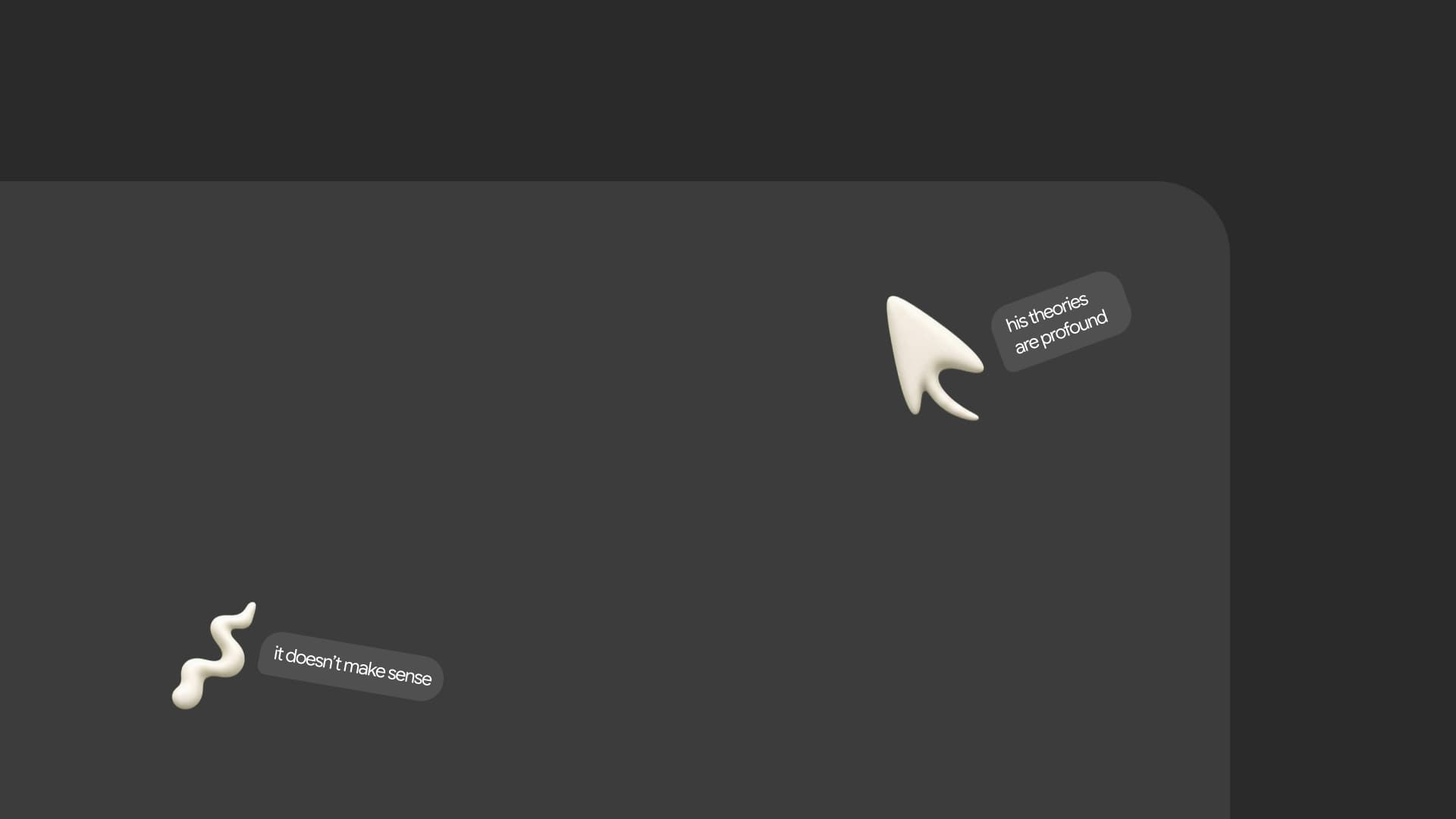
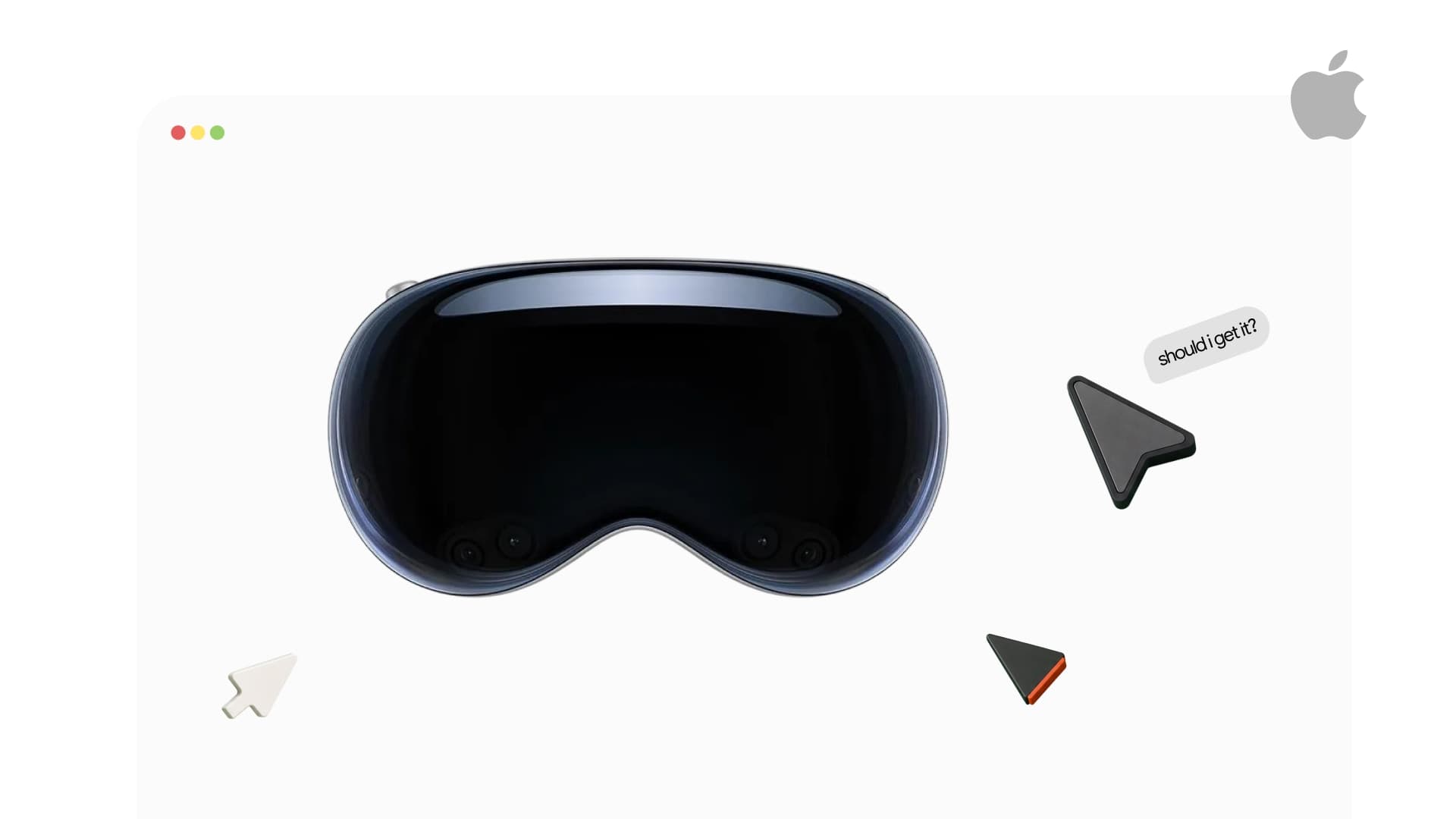
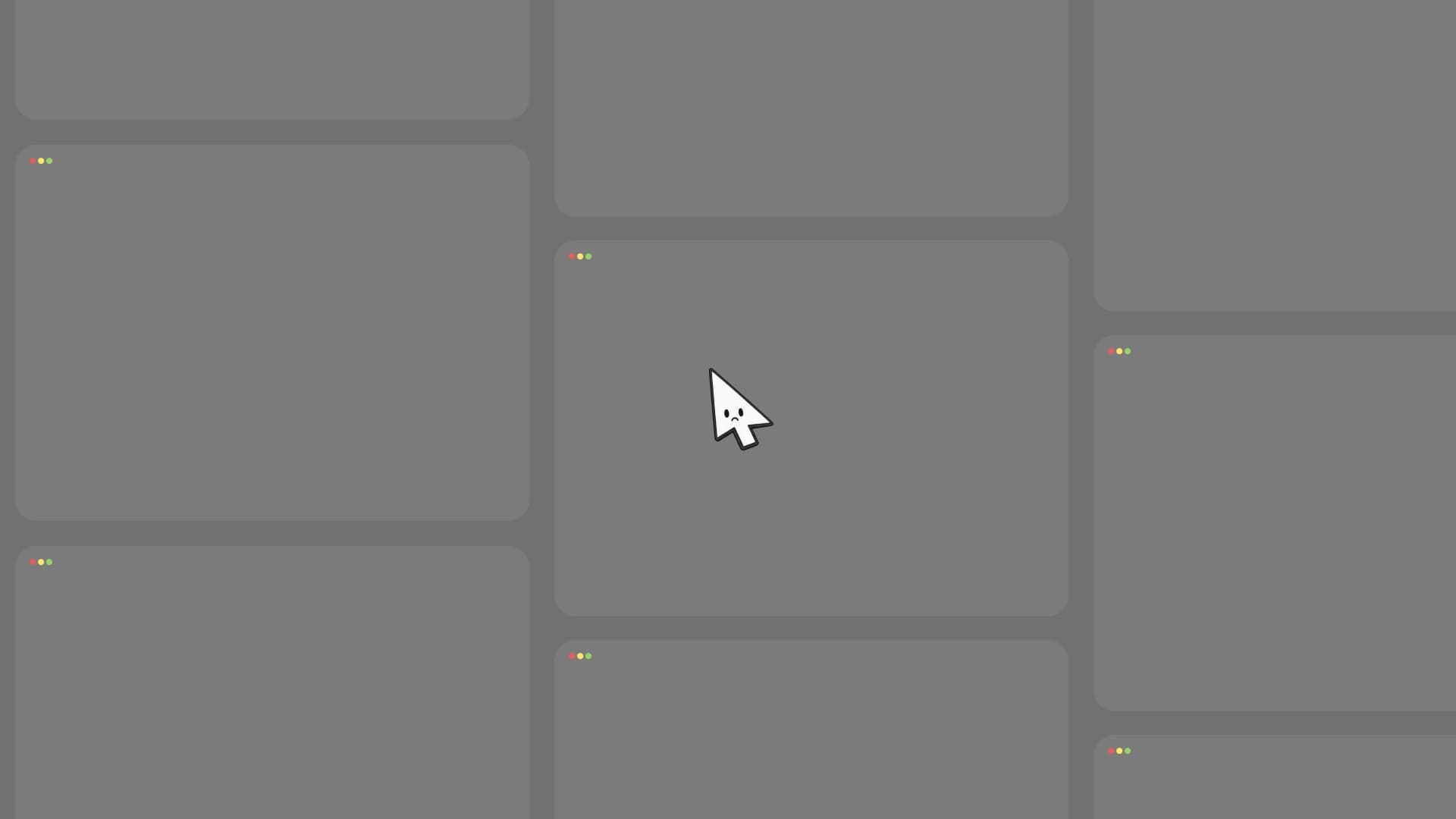
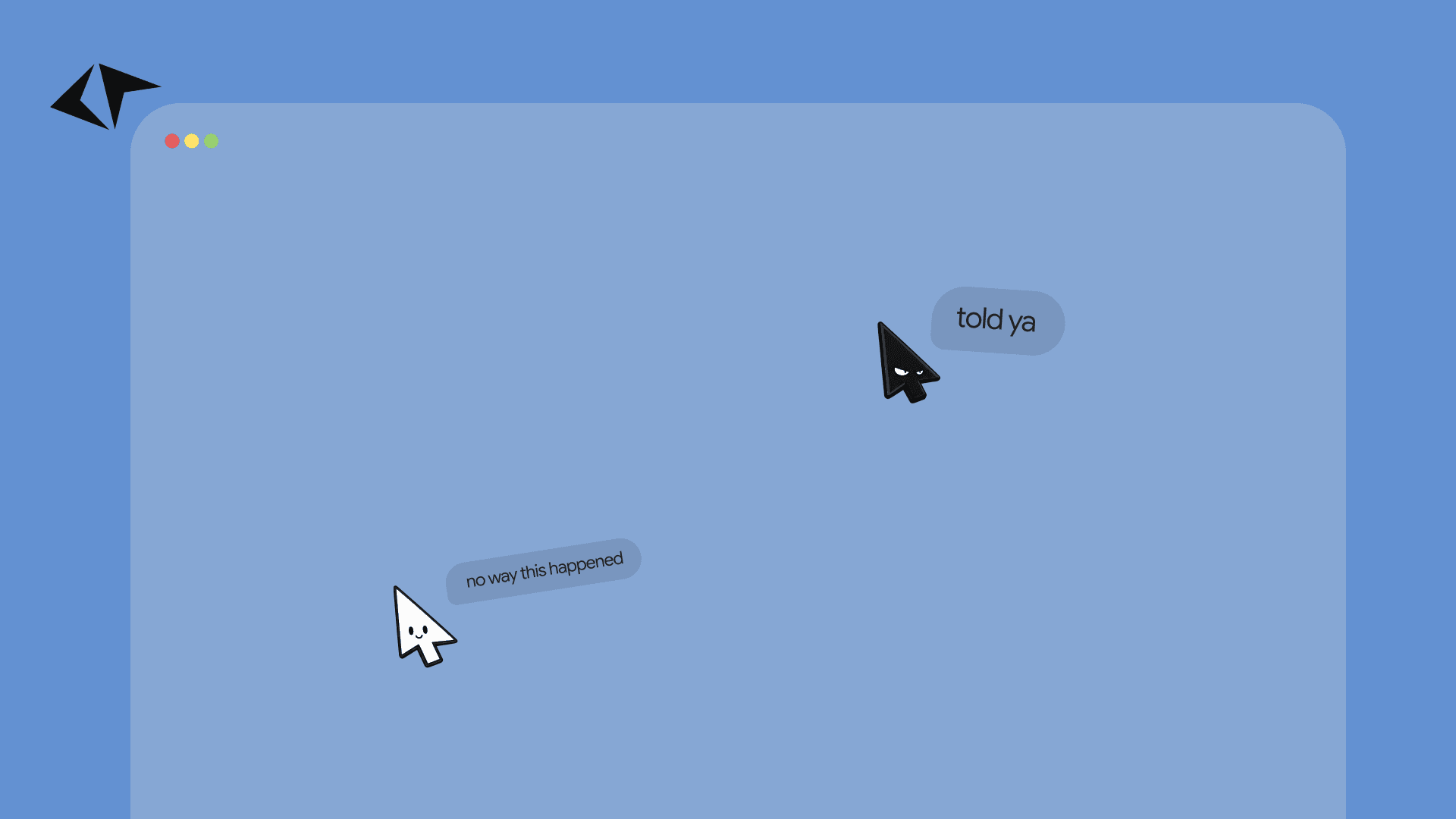
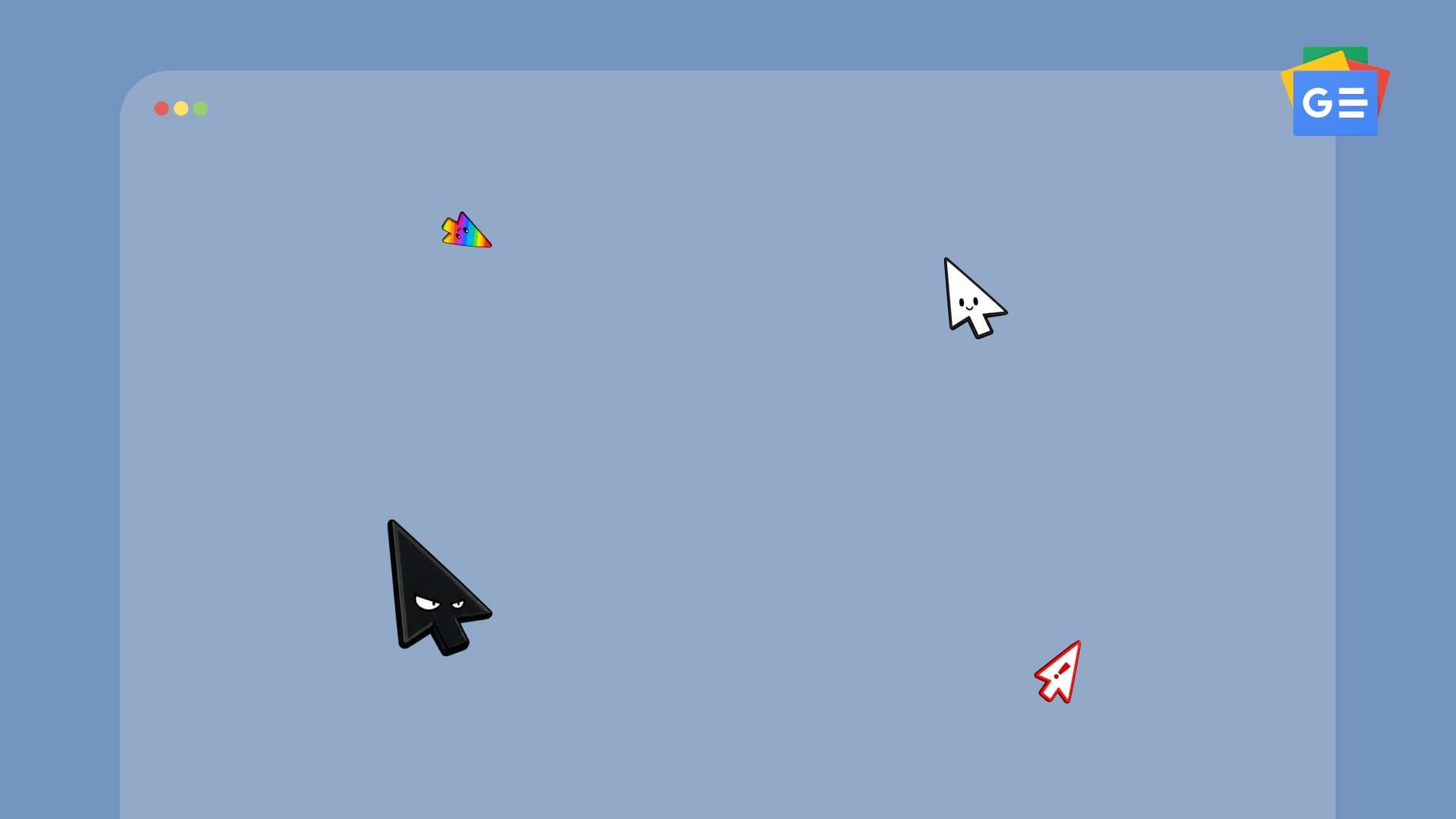
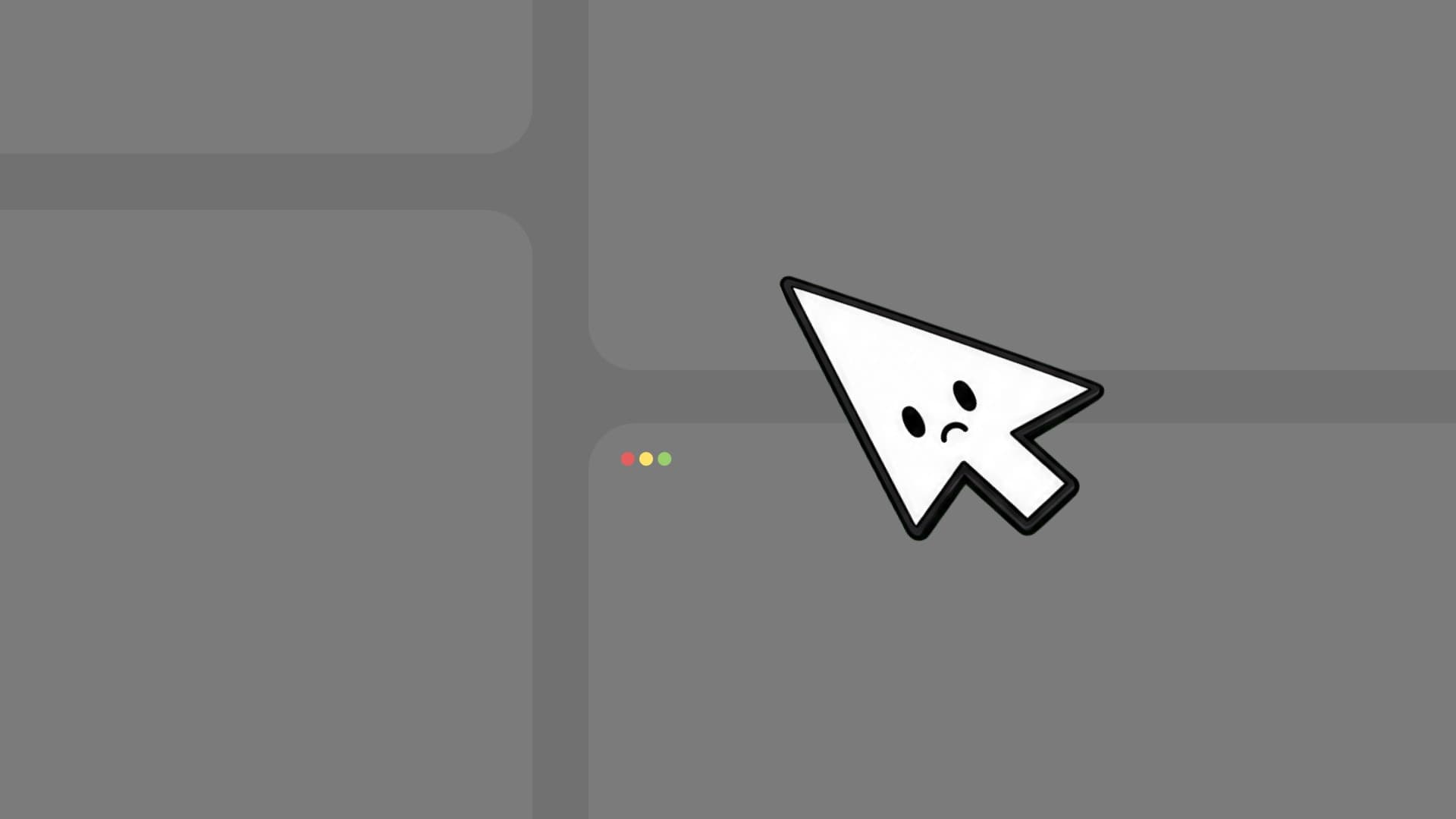
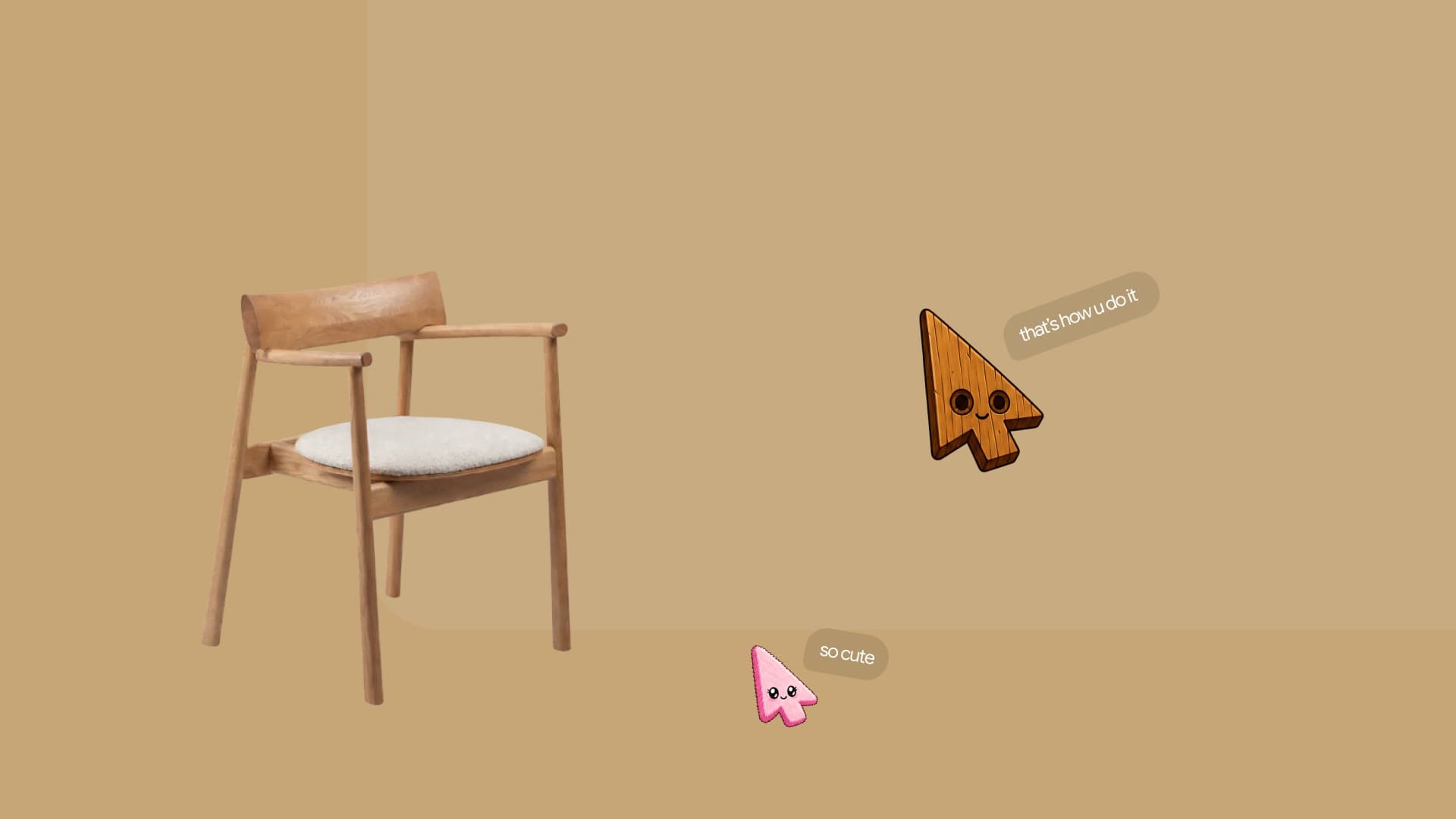
CursorParty shows the live cursors of other people browsing the same public page, with quick chat bubbles for real-time moments.

CursorParty, project view 2
CursorParty, project view 3

What was the specific observation that made you want to turn the entire internet into a multiplayer space?

I would browse the internet often and ask myself: how many people are seeing what I'm seeing right now, yet we don't know about each other? We share unique interests or look at the internet at the same place and time, yet we never make these connections. Browsing online can be very isolating, and I wanted to make it slightly less so.
CursorParty, project view 4
CursorParty, project view 5

Were you aiming for a bustling digital sidewalk or something more like a quiet library?

A bit of both. Each website is a different experience, so I wanted to add a bridge rather than create a full-scale new experience. I wanted people to feel like they are not alone, and that there is someone they can talk to who is already in the same space. It’s like a conference—you already know the people attending are closer to you because of shared interests. I wanted to preserve that ease of initiating contact.

CursorParty, project view 6
CursorParty, project view 7

Why use floating bubbles and cursors instead of a traditional sidebar chat?

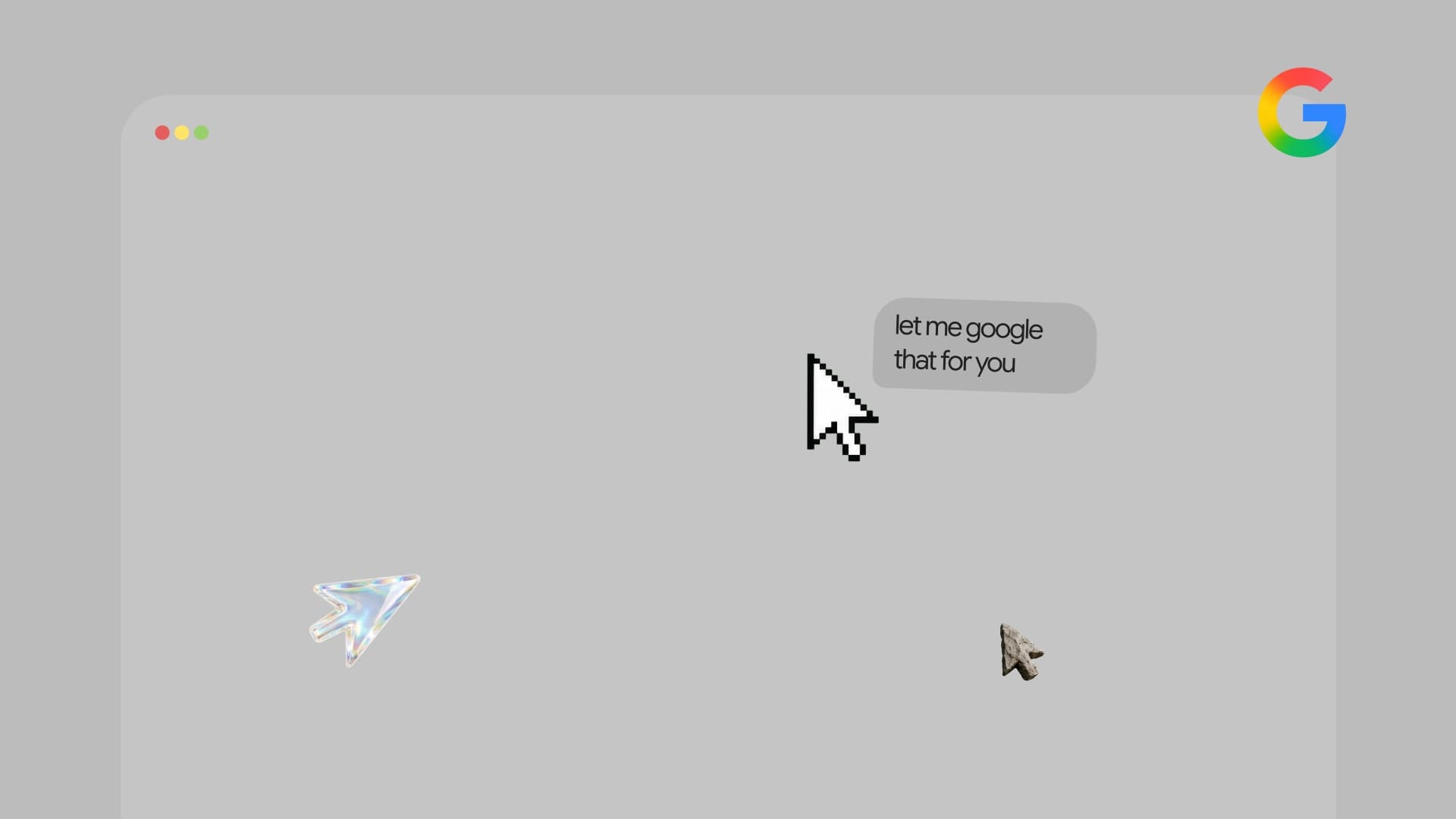
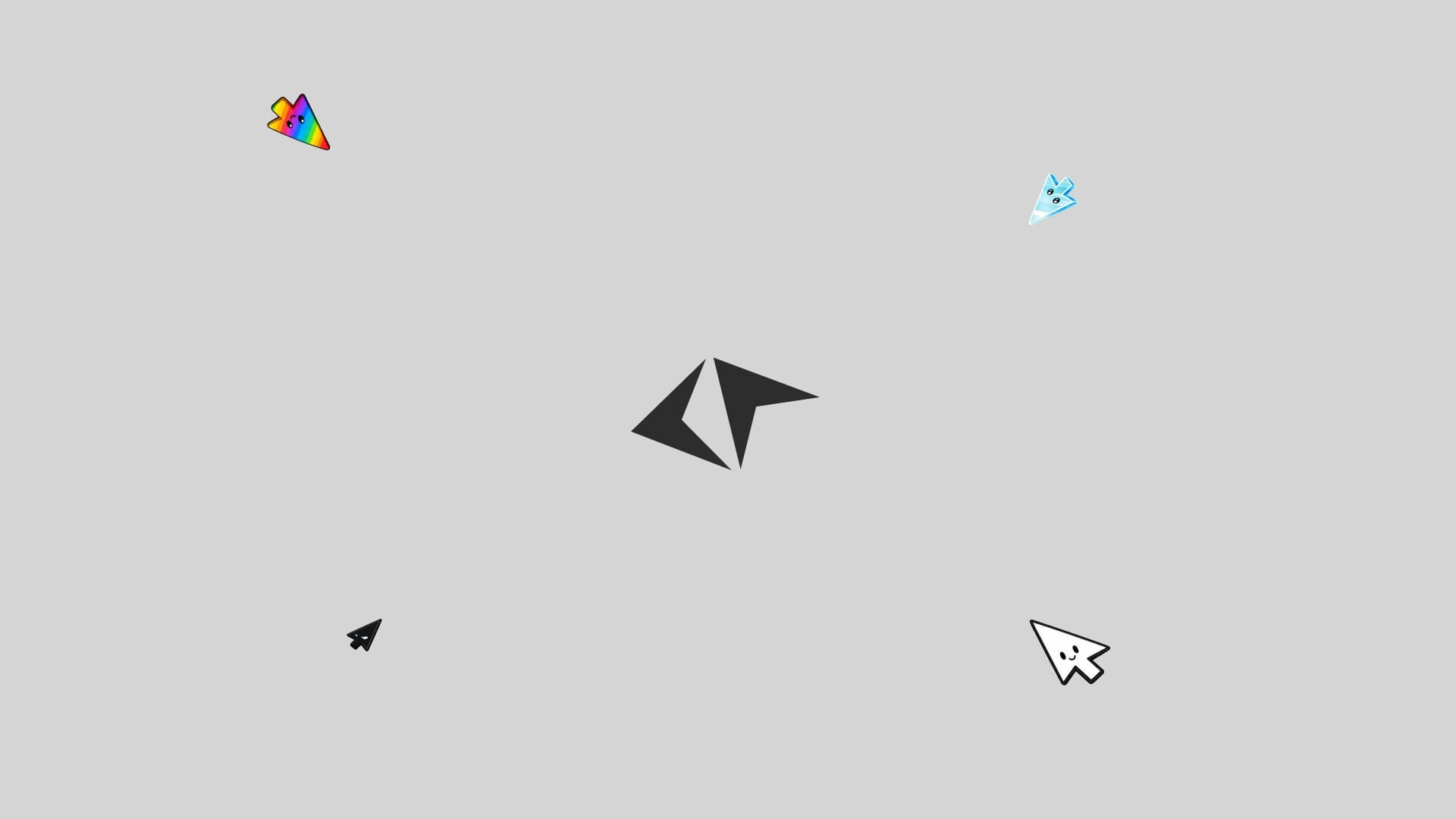
It mirrors what people are accustomed to in tools like Figma, Miro, and Google Workspace. It’s a symbolic way to communicate the physical positioning of attention rather than an abstract chat. It also allows for cursor personalities—having a custom look, browsing in a specific way, or being drawn to particular parts of a page—so people can find one another more naturally.

CursorParty, project view 8
CursorParty, project view 9

If cursor movement is a kind of body language, what did you have to do to make that language feel human rather than chaotic?

We all browse differently. Some people use a mouse, some use a touchpad, and on phones our thumbs and fingers are our original cursors. Those movements tend to be jerky and quick, and we don’t think about them. But when you visualize them for other people, they need extra smoothing so they don’t look jittery or buggy. The technical work was turning those unconscious movements into something that felt fluid and readable.

CursorParty, project view 10
CursorParty, project view 11

How did you handle the psychological hurdle of people feeling tracked while browsing?

It’s a battle of perception. People are used to tracking software, and it feels repulsive to be watched through every movement of your mouse. CursorParty is not about tracking people; it’s about providing just enough information to help establish a connection where one might not exist. That’s why privacy had to be part of the product, with Ghost Mode and blocking on sensitive sites such as banking and login pages. I still found myself manually installing the extension for people so I could show them the moment of wonder when they realized others were there.

CursorParty, project view 12
CursorParty, project view 13

Once people understood the idea, how did you deal with the problem of an empty room when nobody else was using CursorParty?

That network effect is difficult: if nobody is using it, why should I? The biggest challenge was getting people to try it at all, because they simply don’t expect this kind of behavior from websites. I had ideas around online events, premieres, and other moments where a multiplayer experience would make sense, but I initially hoped for natural adoption. When that didn’t happen, I had to question whether something critical was missing rather than assume the tool would spread on its own.

CursorParty, project view 14

What was the most surprising way you saw users wanting to interact?

People mentioned wanting to go on “browsing trips.” Being on one website is cool, but following each other across multiple sites—like a “web hunting trip”—turns a one-off meeting into a journey. It could open the door to adventures and quests, with different approaches: one person could lead by offering a button to follow them, or a group could vote on which website to visit next.

What does CursorParty mean to you now, after seeing where the idea succeeds and where it still falls short?

It helped me see that finding people is not the same as forming a connection. CursorParty can provide the bridge, but it’s still up to the person to walk across it, and that can feel like work. The “browsing trip” idea points toward a more natural next step: turning a meeting on one website into a shared journey. I’m still interested in that space between being alone online and actually feeling connected.

See other projects