Loading lesson…
Lesson 05
Analysis
As an instructional designer, you need to be able to quickly understand the context.
If you don't, you will most likely produce something that fails to solve the problem.

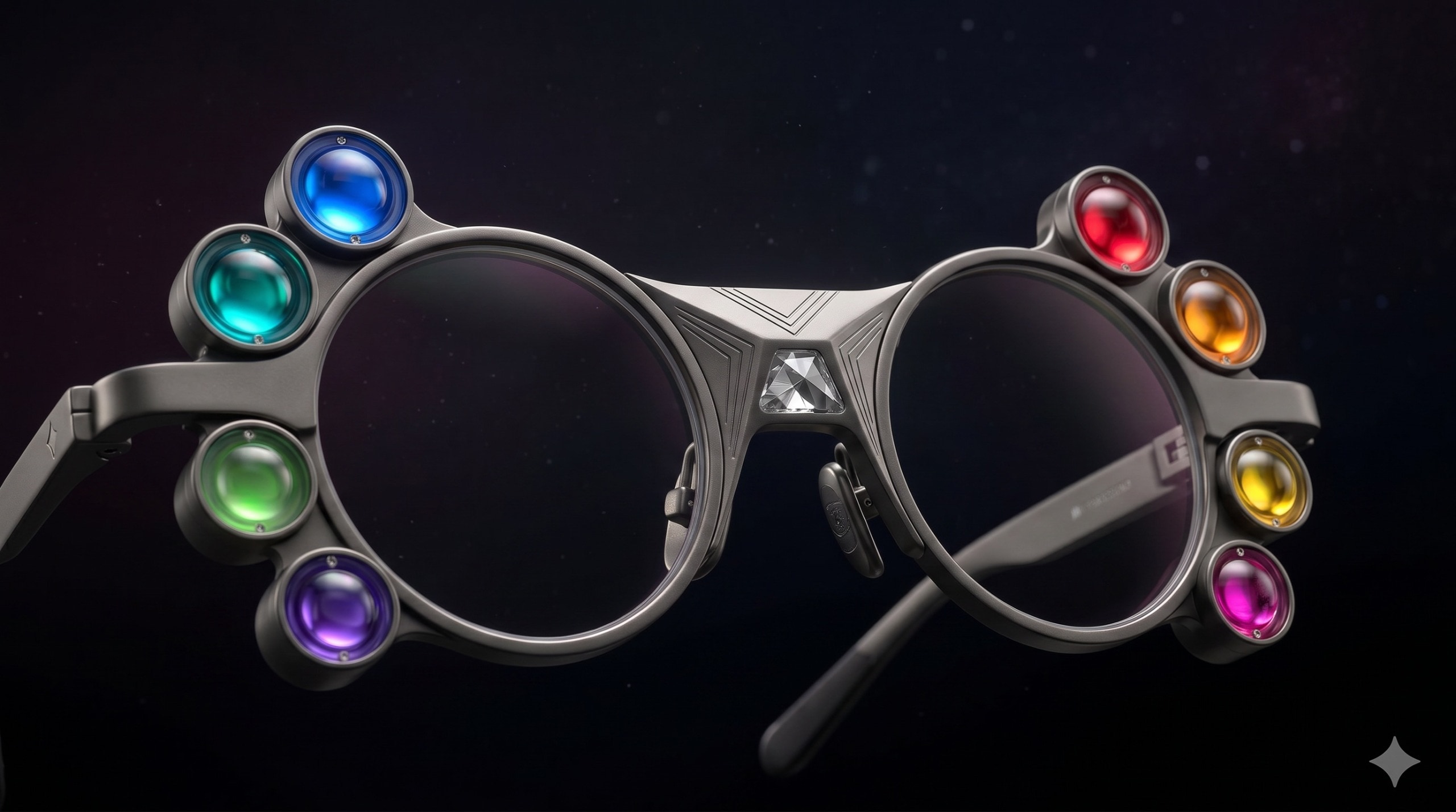
Analysis Glasses
I would like to introduce you to "Analysis Glasses." These are glasses you can put on whenever you find yourself needing to analyze a project or any other situation.


Problem Statement
Organizational Lens
Performance Lens
Environment Lens
Suitability Lens
Motivation Lens
Materials Lens
Audience Lens
Learning Gaps Lens
Cost / Benefit
To see how this works, consider this coffee shop scenario.
Feel free to toggle the lenses on and off to investigate this specific situation.



Let's define lenses framework together:


Hypothesis
The Hypothesis is your starting point, representing the initial assumption or goal expectation brought to you by a stakeholder. Before conducting any formal analysis, you must define what the business thinks the problem is, providing a baseline target to either validate, refine, or completely disprove as you begin looking through your lenses.
Triage
During Triage, you assess the real-world constraints of your project—such as time, budget, and stakeholder access—to decide which specific lenses you will actually use. Instead of attempting a shallow, ineffective sweep across every category, triage allows you to strategically prioritize a deep dive into the areas with the highest potential risk and impact.
Organizational
The Organizational Lens examines the overarching business goals, compliance requirements, and key performance metrics driving the project. This perspective ensures that any educational solution you design is directly aligned with what the company is actively trying to achieve or resolve at a macro level.
Performance
The Performance Lens focuses on the observable actions of the people doing the work, comparing what they are actually doing against what they should be doing. This reveals the specific behavioral gaps, workflow bottlenecks, or operational errors that are causing the organizational problem.
Environment
The Environment Lens looks closely at the physical or digital workspace where the tasks are actually performed. By checking for broken tools, loud distractions, or clunky interfaces, you can determine if external friction is preventing success regardless of the worker’s actual knowledge or skill.
Motivation
Through the Motivation Lens, you investigate the internal and external incentives driving the individual’s behavior. This helps you uncover whether a lack of performance is due to missing skills, or simply because there is no clear reward—or perhaps even a hidden punishment—for doing the job correctly.
Suitability
The Suitability Lens asks the critical question of whether an educational intervention is actually the right solution for the problem at hand. It prevents you from wasting resources on building a training course when the real fix might just be a software update, a hardware replacement, or a change in company policy.
Materials
Using the Materials Lens, you audit any existing manuals, videos, or documentation the organization already possesses. This prevents you from reinventing the wheel and helps you identify if the current materials are simply outdated, too dense, or completely inaccessible for the learner.
Audience
The Audience Lens focuses entirely on the learners' baseline characteristics, including their prior knowledge, technical proficiency, language, and cultural context. Understanding exactly who you are designing for ensures that your intervention is pitched at the right level and delivered in a format they can easily digest.
Learning Gaps
Through the Learning Gaps Lens, you pinpoint the exact knowledge, skills, or mental models the individual is missing in order to perform the task correctly. If the environment is supportive and the motivation is high, this lens finally reveals the specific educational content that actually needs to be taught.
Problem Statement
The Problem Statement acts as the bridge of your glasses, locking in the true nature of the issue based on the hard evidence you gathered through your selected lenses. It formally replaces your initial hypothesis with a concrete definition of the current state, the desired state, and the business impact of closing the gap.
Cost / Benefit
Finally, the Cost-Benefit Analysis acts as the arms that keep the glasses on your face by proving the project makes economic sense. Here, you calculate whether the financial and operational cost of designing and implementing your solution is significantly outweighed by the value of solving the organization's problem.


Let’s paint a picture of a situation where you have all the time and resources you need. A person from your city council reaches out with a project to educate people on electric cars in the city. They have a hypothesis about what is not working.
In this case, you find yourself with enough budget and time to go through the entire list of analysis steps.
They start with the hypothesis: Citizens aren't using the new EV charging stations because they don't know how the mobile payment app works.











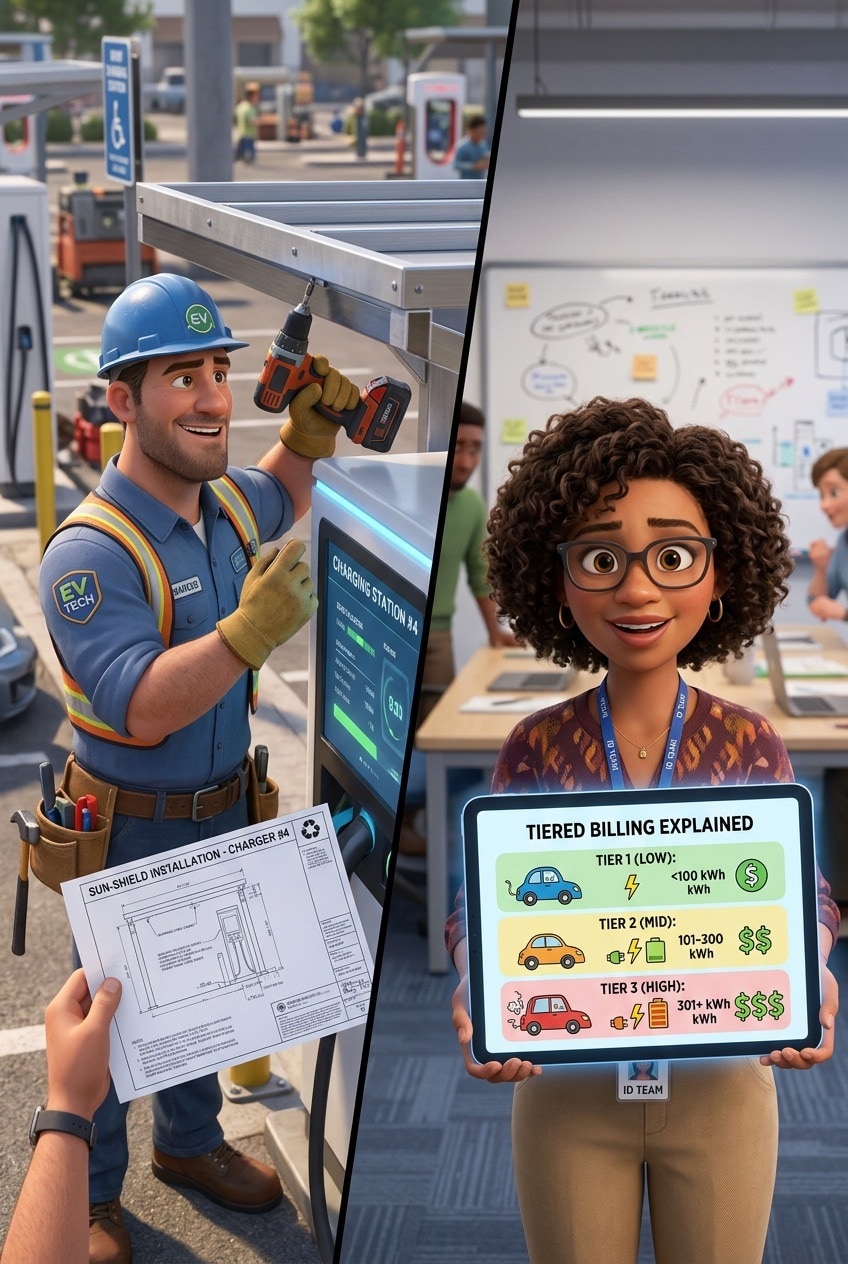






The actual problem? City EV chargers currently have a 90% abandonment rate due to physical screen glare and public confusion over charging speeds and tiered billing.
Introducing Triage
That was a case where you had the luxury of time and resources. But what if you don't? In reality, that is what happens most of the time. In this context, we need to introduce a concept called "Triage."


To do this, you look at risk and impact. It is far more effective to go deep on a few areas and skip others rather than going shallow across every type of analysis.

Let's see how this can look like in real world.


A startup team comes to you with an urgent problem regarding technical onboarding for their complex software.
You have almost no budget and only two weeks before a major product launch.














Actual problem statement? New users are churning at the API integration step because the IP whitelisting requirement is undocumented and the necessary buttons are hidden in the interface.
How much analysis to do?
Can there be a situation where you collect too much information or not enough? Yes. Consider this inverted curve:

This illustrates that you don't have to collect all possible information; you just have to collect the right amount.
Want to know more about analysis?
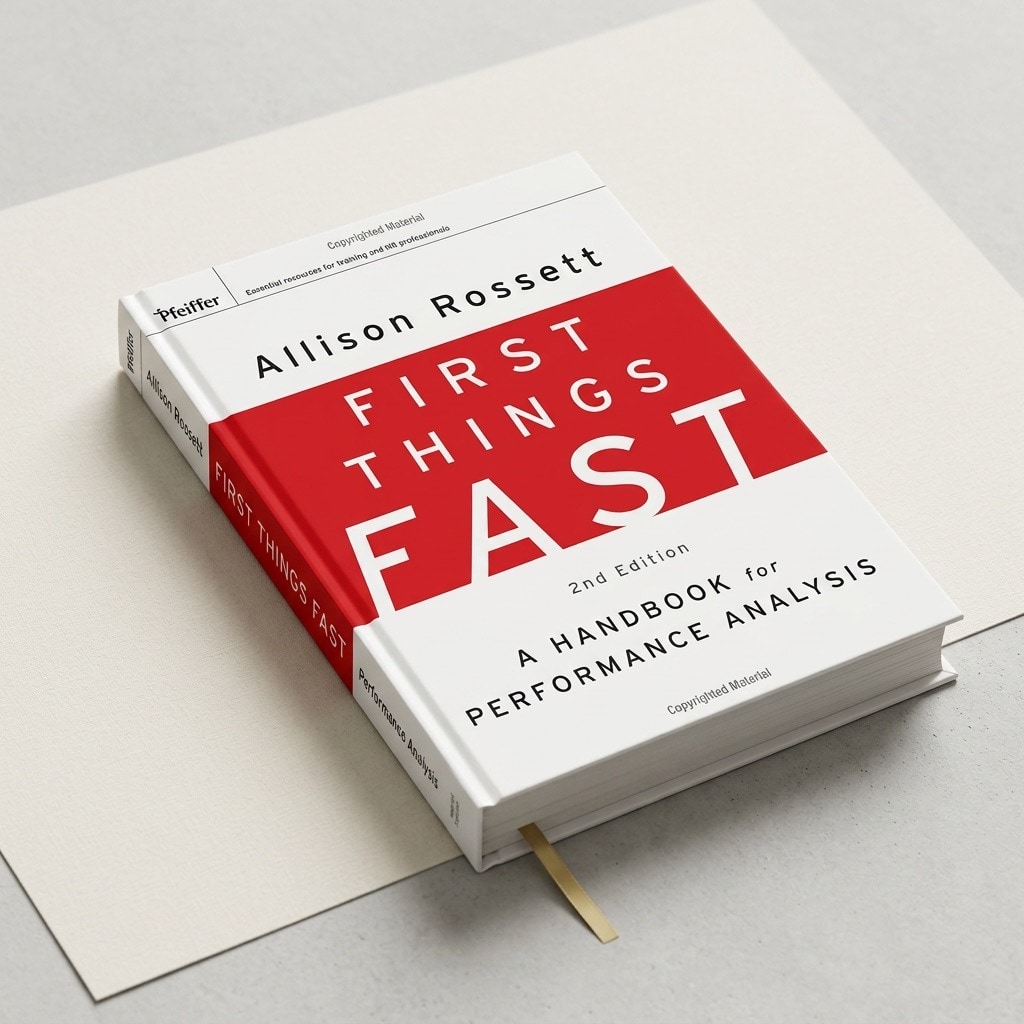
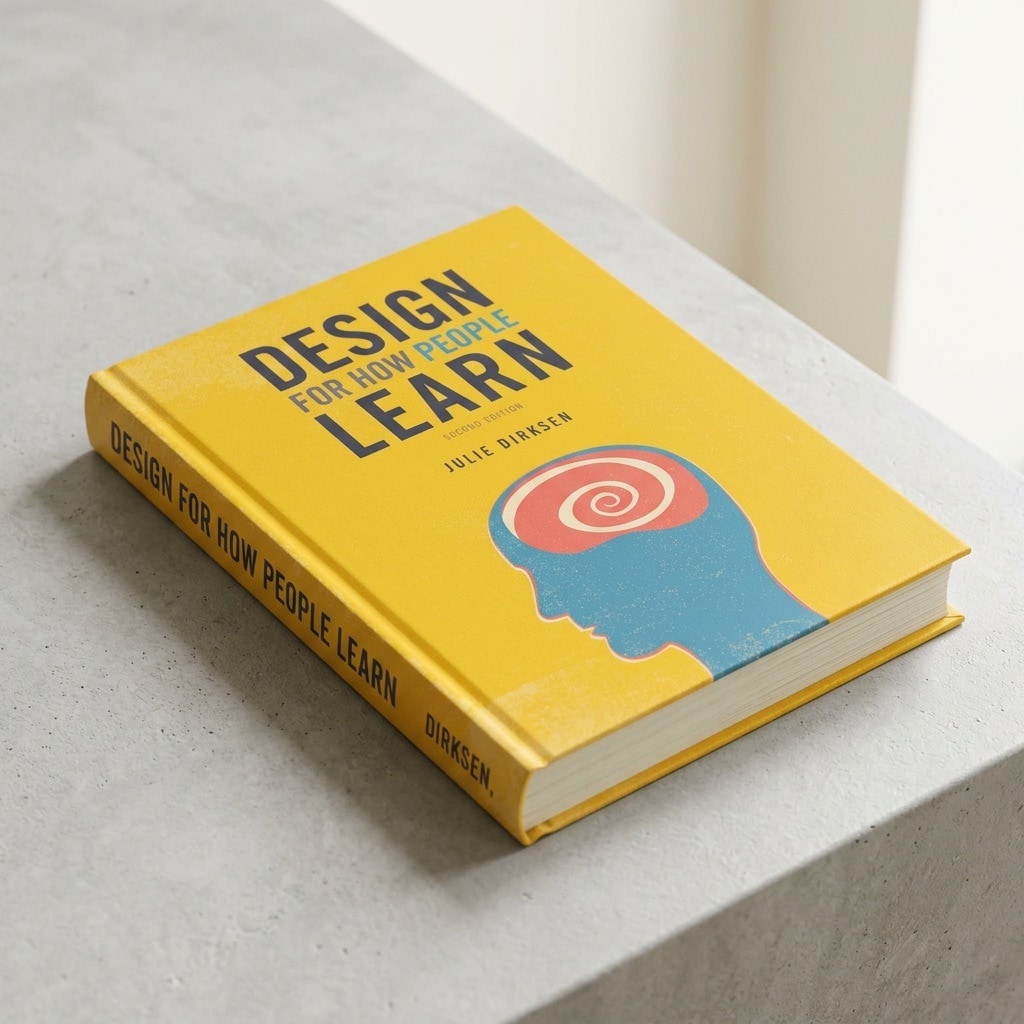
Here is a list of recommended readings, and sources for some of the ideas presented in this lesson.






Last lessonNo next lesson
0