Loading lesson…
Lesson 02
Trust
We are living through a global trust collapse.

Institutional trust in governments, media, corporations, and technology has declined sharply across every major demographic in the last two decades.


Global trust — explore how confidence varies by institution and country.
The world's largest study into how people think and feel about science and major health challenges, surveying over 140,000 people from more than 140 countries.
Loading data…
This isn't cynicism for its own sake. It is a rational adaptation to repeated exposure to systems that felt opaque, made promises they didn't keep, and asked for faith before delivering value.
When people don't understand something - they don't trust it.
This is not a personality trait or a generational problem. It is a cognitive survival mechanism. The brain treats the unfamiliar as a potential threat until proven otherwise.

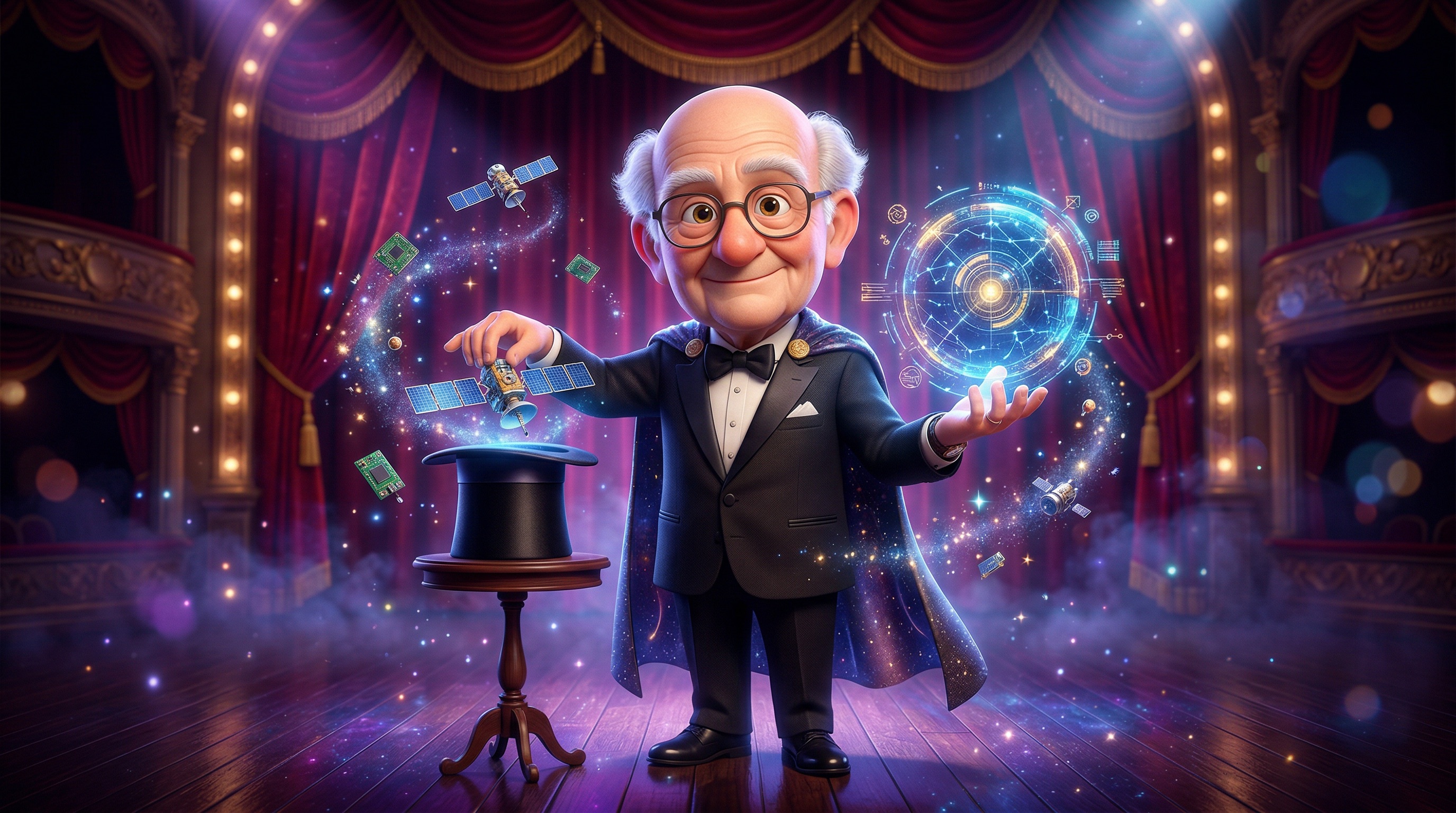
Arthur C. Clarke's observation — that any sufficiently advanced technology is indistinguishable from magic — cuts both ways.
Magic inspires wonder, but it also inspires suspicion.


Because magic, by definition, cannot be understood. And what cannot be understood cannot be trusted.
Click this box, what can you expect?
The black box problem: any product, system, or idea that doesn't explain itself — that asks users to simply accept that it works — is forcing them into a trust transaction they increasingly refuse to make.
Relationship-based trust is under pressure too.
Drag the people to see how closeness holds a community together.
"Believe me" is weaker currency than it used to be, because people now know how often charm can be manufactured, testimonials can be gamed, and authenticity can be faked.
So the challenge is not to lecture people out of skepticism. Their skepticism is often evidence-based. The challenge is to design in a way that gives them enough orientation to move from guarded to willing.
Black Box
1/5
Which of these products has a black box problem?
A meditation app that tells you to "breathe and feel better" but does not explain the neuroscience of why breathing affects anxiety.