History & Evolution
Before we go into this, try talking with AI about the previous lesson. This way you will strengthen your memory storage and prime yourself for more effective learning.
What gap is instructional design meant to close between what someone needs and what they can actually do?
Conversation stays in this browser tab (session only). Iggy+ replies are generated with AI.
For most of human history, what you could learn was entirely determined by where you were born and who happened to be standing near you.
Before reading further — what do you think is the single biggest reason most training fails?
Knowledge lived inside people. The only technology available to move it was time and proximity.

A master glassblower in 14th century Venice didn't write a manual. He let you watch. For years. And when he decided you were ready, he let you try.
The apprenticeship model wasn't slow because people were lazy or systems were corrupt — it was the only available mechanism for knowledge transfer.
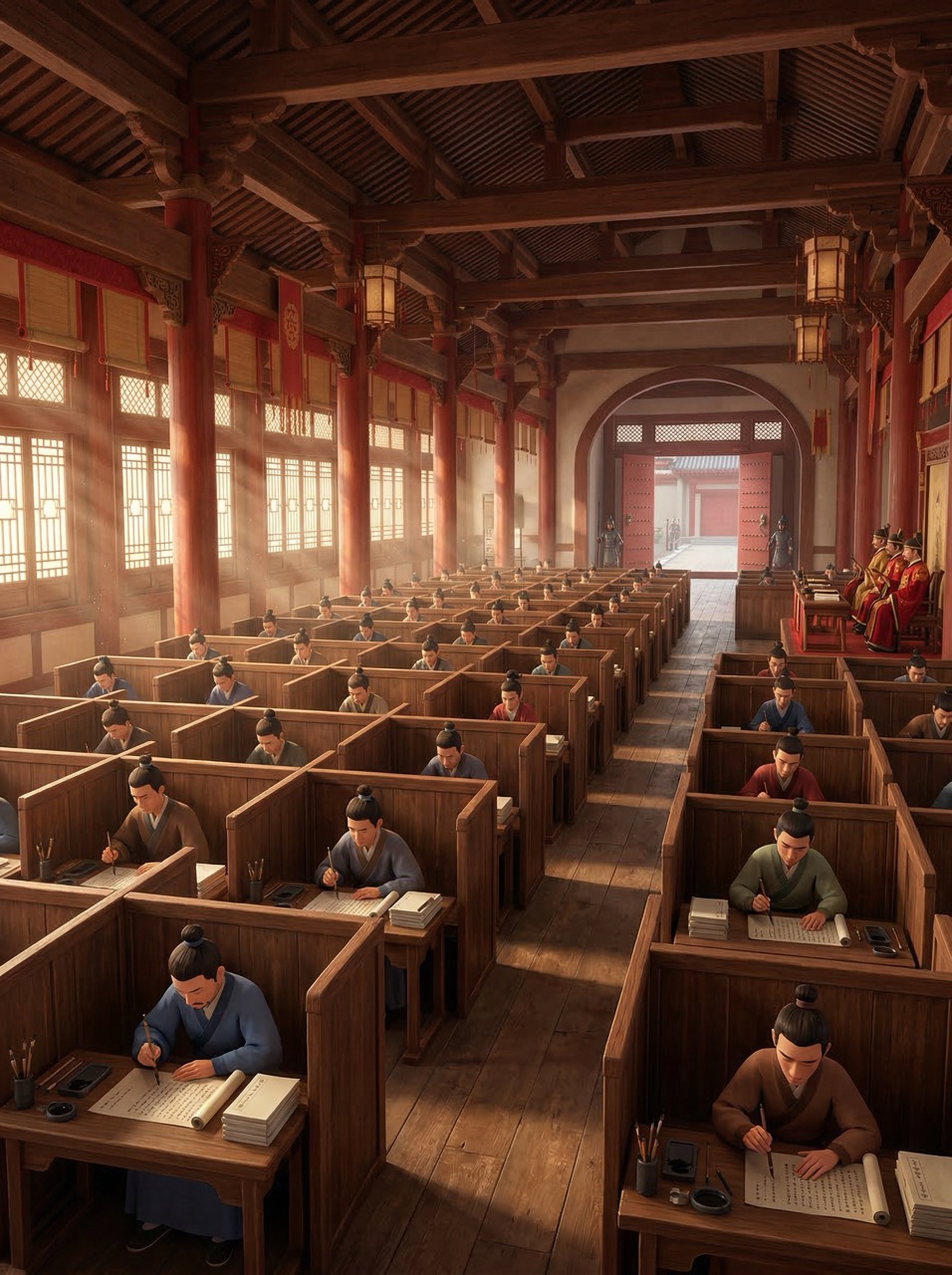
The ancient world had its exceptions — Plato's Academy in Athens, the great Islamic madrasas, the imperial examination systems of China, the Library of Alexandria. But these served tiny fractions of their populations.



Medieval Europe adds a huge piece we haven't named yet: the monastery. For centuries, monks and convents were where fragile knowledge lived on paper — scriptoria where texts were copied by hand, commented on, and guarded. Craft knowledge still moved through apprenticeship; book knowledge increasingly moved through the Church.

Monastic life was not a public school system. Literacy for clergy, oblates, and a thin stratum tied to religious houses meant that Latin, theology, law, medicine fragments, and salvaged classical works often survived because someone in a habit had room, time, and institutional permission to copy.
Religion didn't only fund learning — it decided what counted as truth worth preserving and who was fit to read it. Cathedrals and monastic schools widened the circle slightly for some boys of means, but the design was still exclusionary: spiritual vocation, patronage, or birth.
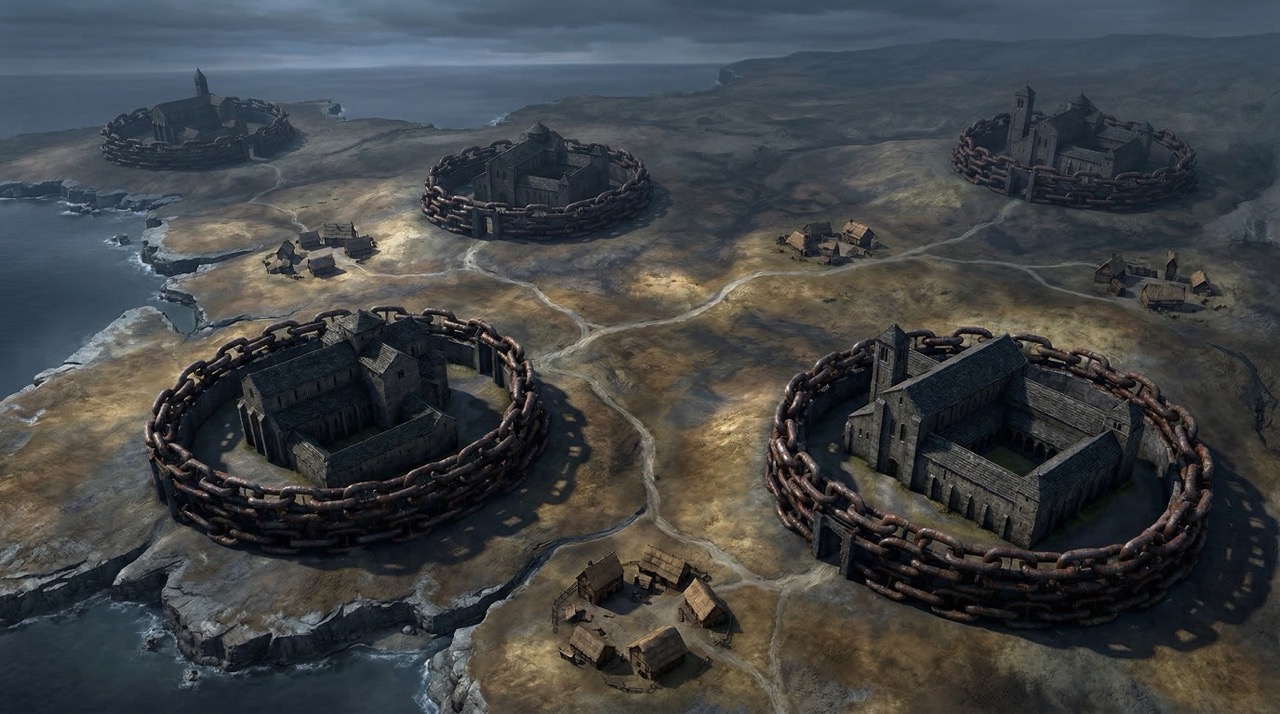
The Middle Ages were slow not because nothing was happening — but because knowledge was chained to institutions, geography, and sacred order. That pattern matters when you later watch industrial trainers try to break the same dependencies with media, standards, and scale.
Literacy itself was a privilege. Formal education was a class marker, not a human right.
Match the learning model to its core limitation:
Choose a model on the left, then the core limitation it belongs to on the right. A line appears — green locks the pair; red clears so you can try again.
Model
Core limitation
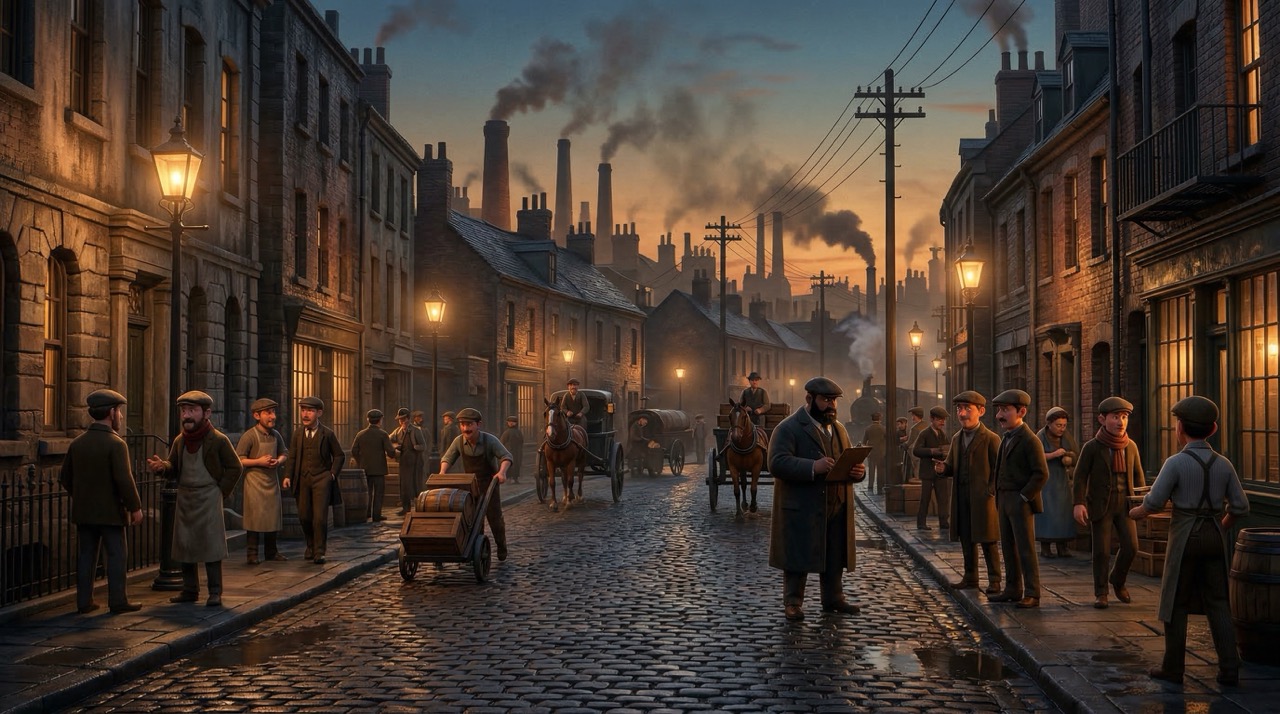
The first formalized job instruction methods appeared in the late 1800s — crude, inconsistent, and entirely without scientific foundation.
Hey — does learning still feel tied to who you know and where you are, or has that mostly stopped being true for you?
Conversation stays in this browser tab (session only). Iggy+ replies are generated with AI.
The single most important event in the history of Instructional Design is World War II.
The United States alone needed to train over 12 million military personnel — plus millions more factory workers — in a timeframe that made traditional education completely irrelevant.
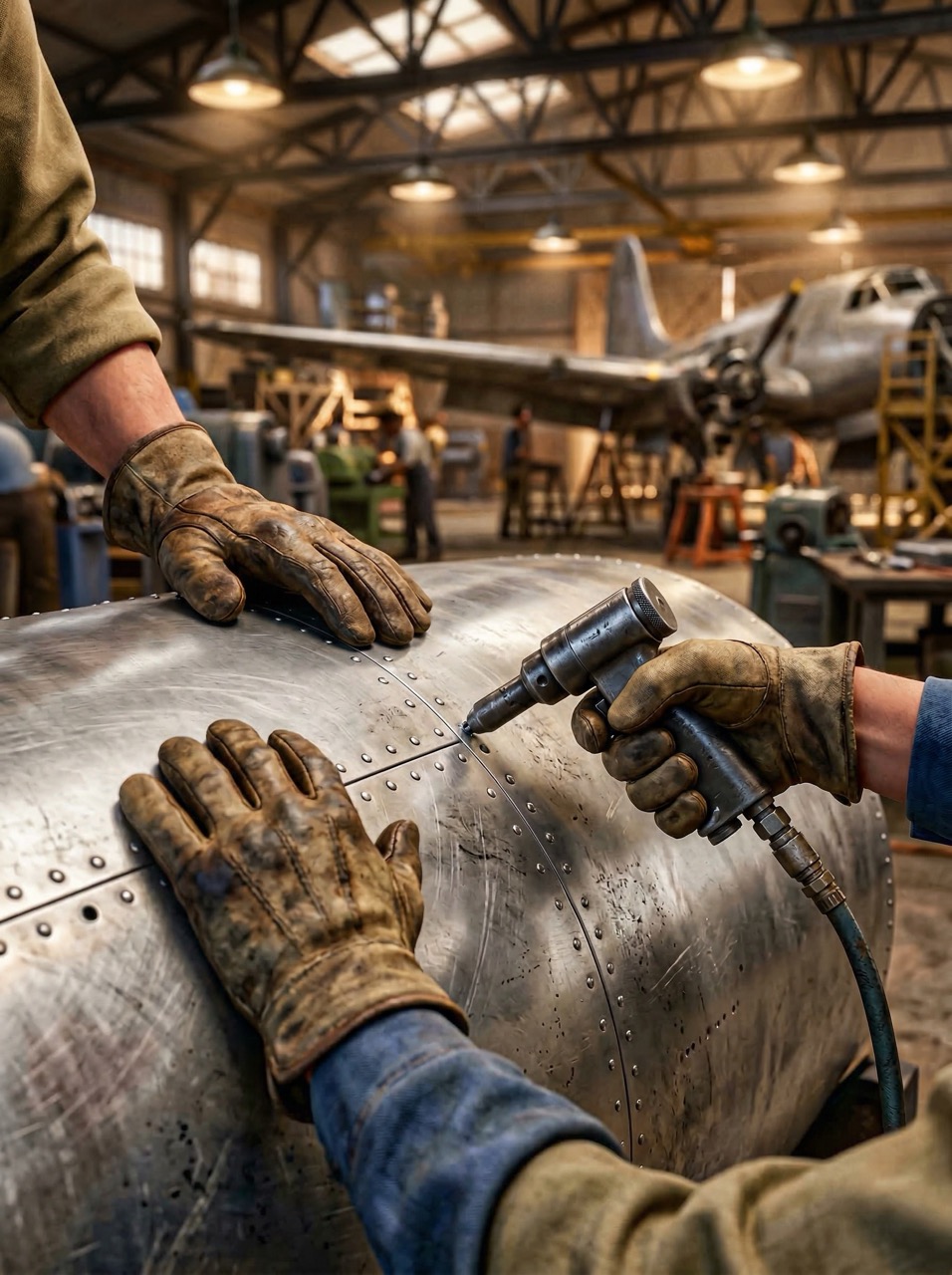

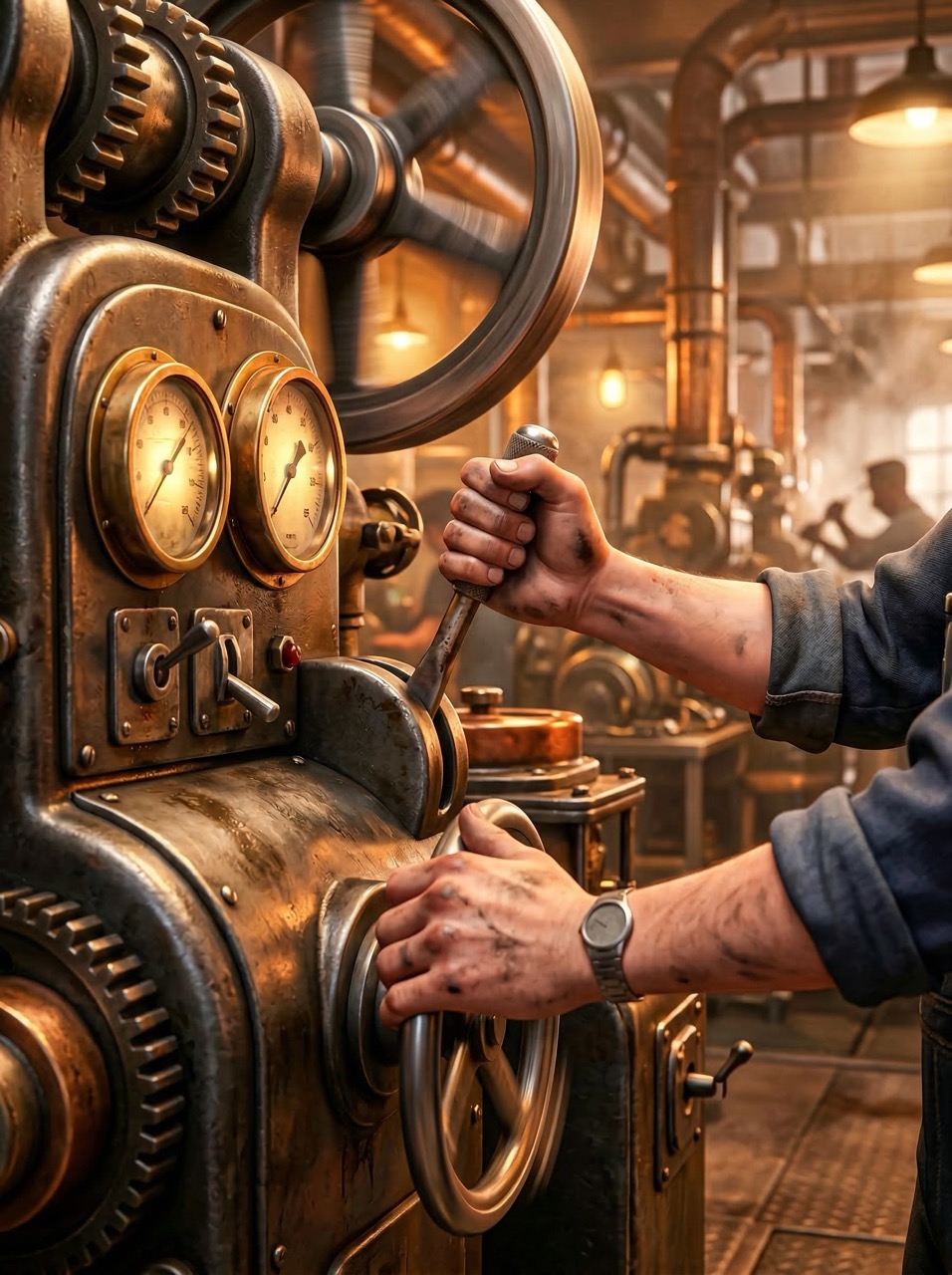
For the first time in history, learning was treated as an engineering problem.
What emerged from this period was foundational:
Job Task Analysis — the practice of systematically breaking complex jobs into discrete, observable, teachable steps. Before you can teach something, you have to map it.

Criterion-Referenced Testing — measuring whether someone can perform to a fixed standard — not where they land on a curve next to peers. Once you’ve broken a job into teachable steps, you still have to decide what “good enough” means. That wartime scale rejected the old habit of ranking people when the military needed a binary that admins could trust: can this person do the required performance, yes or no.
Test Type
What are we comparing you to?
What does the score look like?
Best used for...
Norm-Referenced
Other test-takers
Percentile rank (e.g., 85th percentile)
Selecting the top candidates for a limited spot.
Criterion-Referenced
A specific standard or cut-off
Pass/Fail or Mastery/Non-Mastery
Checking if a vital skill is safe and ready to use.
Domain-Referenced
A strictly defined universe of knowledge
Percentage of the domain mastered (e.g., 90% of the topic)
Diagnosing exact strengths and pinpointing the next steps for learning.
Norm, criterion, and domain framing answer different questions — wartime throughput leaned hardest on criterion; later you’ll use all three, depending on what decision the score must support.
Scenario 1 of 10
A 3rd-grade math app assesses a student on “Single-digit multiplication from 0×0 to 9×9.” After a quick quiz, the app shows a grid highlighting that they are fluent with the 1s, 2s, 5s, and 10s, but still need work on the 7s and 8s.
Which assessment framing fits best?
The U.S. military produced over 400 training films during the war — one of the first large-scale uses of media for training.

The "master" didn't have to be physically present. The master could be captured, reproduced, and distributed.
The psychologists involved in this work learned more about applied learning science in five years than the previous century had produced.
When the urgent war work wound down, the pressure didn’t. Factories, schools, and corporations still had to move millions of people to new competence, fast. What followed was not one tidy textbook with a single author and a closing chapter. It was closer to a crowded workshop: many hammers, different grips, often aimed at the same stubborn problem — how to design learning that actually lands.

The field never collapsed into one grand theory. Instead it fanned outward — a family of movable ideas you still borrow, blend, or even pit against each other on purpose when the context demands it.
Behaviorism — at least the strand that fed wartime training, drill software, and a lot of industrial learning — keeps the camera on observable behavior.
Thoughts and feelings might matter elsewhere; here the design question is still what the learner did, and what the environment did back.
A tall stack of film reels and printed courses had already proved something quietly radical: you could learn from watching someone else stumble or succeed. The argument sharpened — observation is its own teacher.
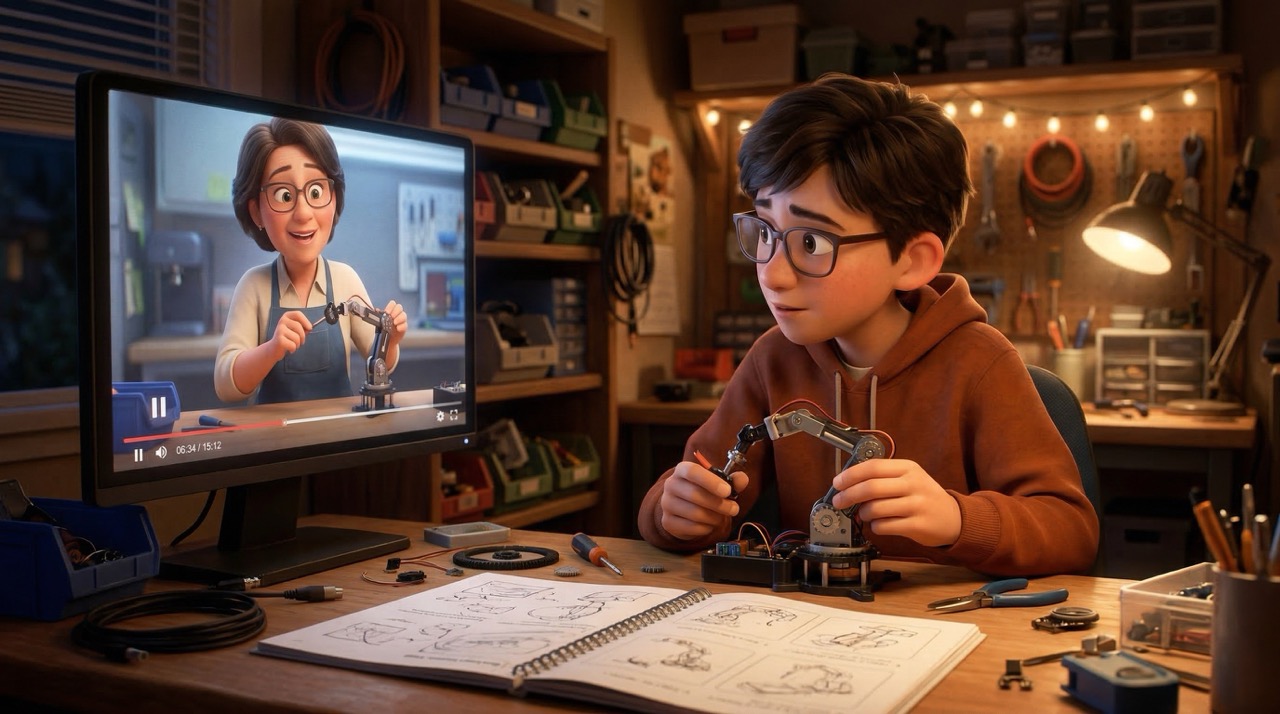
Meanwhile faculty rooms and training departments were tired of the same warm words — know, understand, apply — hiding different depths.
Order of learning stopped being a matter of taste.
Bloom's taxonomy turns those vague verbs into a shared ladder: six named rungs from recall up to making something new — so “we taught it” can mean a specific cognitive height, not just agreement in the room.
Pulling information out of memory — listing, recognizing, naming. Training often stops here; it is the floor of real capability, not the ceiling.
Making meaning: summarizing, interpreting, comparing. Learners can paraphrase without yet doing anything new with the idea.
Executing or implementing in a context that is not identical to how it was taught — where transfer begins.
Distinguishing structure, assumptions, and relationships — organizing, debriefing, attributing cause.
Critiquing against criteria or standards — checking, judging, defending a choice with evidence.
Synthesizing into a new pattern, plan, or artifact — designing, authoring, inventing. This is where durable workplace capability usually shows up.
In cockpits and on plant floors, sequence had already killed or saved people; in classrooms the question became explicit — what order respects attention, memory, and muscle memory?
Wake them, connect what they know, show the new thing, coach, let them try, tell them what happened, bridge back to the real task. Skip a beat and the learner pays in confusion even when the slides looked beautiful.
Gagne's Nine Events of Instruction
Memory science circled back with a blunt reminder: the mind’s shelf is short.
Every careless diagram, every paragraph beside a competing diagram, every premature detail is rent taken from the small space where new thought gets assembled.
Designers learned to strip noise, stage difficulty in layers, and name three kinds of load — intrinsic (the idea is just heavy), extraneous (the layout is stealing from you), germane (the struggle that actually builds the thing you want built).
Your memory is like RAM!
Small and quick to fill. Tabs appear—close what you don’t need, split a heavy tab into smaller spine chunks, let the keepers finish, and ease into the stretch band so skill can rise.
Start when you’re ready.
And the old intuition that “make it harder” equals “make it better” finally met its counterweight: there is a stretch band between bored and drowning. Stay inside it — scaffold, then pull the scaffold away as hands steady. Coaches always did that by feel; games and adaptive tutors began to do it on purpose.
None of this was written first for adults in stiff chairs being marched through school-shaped training. When industry borrowed classroom grammar, design had to fold in why this matters now, respect for what people already lived, and problems that look like Monday — or resentment quietly replaced learning.
That skeleton is older than any slide template — it is the quiet ancestor of patient tutorials and unfun compliance flows alike: different costumes, same spine.
The internet didn't just change how learning was delivered. It changed what learning had to compete with.
When a learner can close your course and open YouTube in one click, "informative" and "well-organized" stop being sufficient reasons to stay.
Instructional designers began borrowing from UX design, game design, and behavioral economics. The question shifted from "how do we transfer this information?" to "how do we design an experience that someone actually chooses to stay inside?"
The learner went from a student in a classroom to a user in an interface. The designer's job expanded accordingly — from content delivery to experience architecture.
This shift is not optional. If your learning experience isn't worth choosing, it won't be chosen — regardless of how accurate or comprehensive the content is.
Hey — ever been in something that was way too easy or way too hard? What was going wrong?
Conversation stays in this browser tab (session only). Iggy+ replies are generated with AI.
For the first time in history, it is technically possible to give every learner a personalized tutor that reads their current level, adjusts difficulty in real time, provides immediate feedback, and never loses patience.
AI brings the apprenticeship model full circle — but at infinite scale. Every learner can now have a master that knows exactly where they are.
AI doesn't reduce the importance of Instructional Design. It increases it, and makes it more demanding.
If the AI can deliver anything, the designer's job shifts entirely upstream: to the architecture. To deciding what matters, why it matters, in what sequence, for which audience, under what conditions.
The blacksmith's apprentice had one master. Your learners can now have an infinite one. But someone has to decide what that master teaches. That responsibility doesn't disappear with AI — it becomes the entire job.
You've read the history. You've tested the concepts. Now it's time to see how your instincts hold up under pressure.
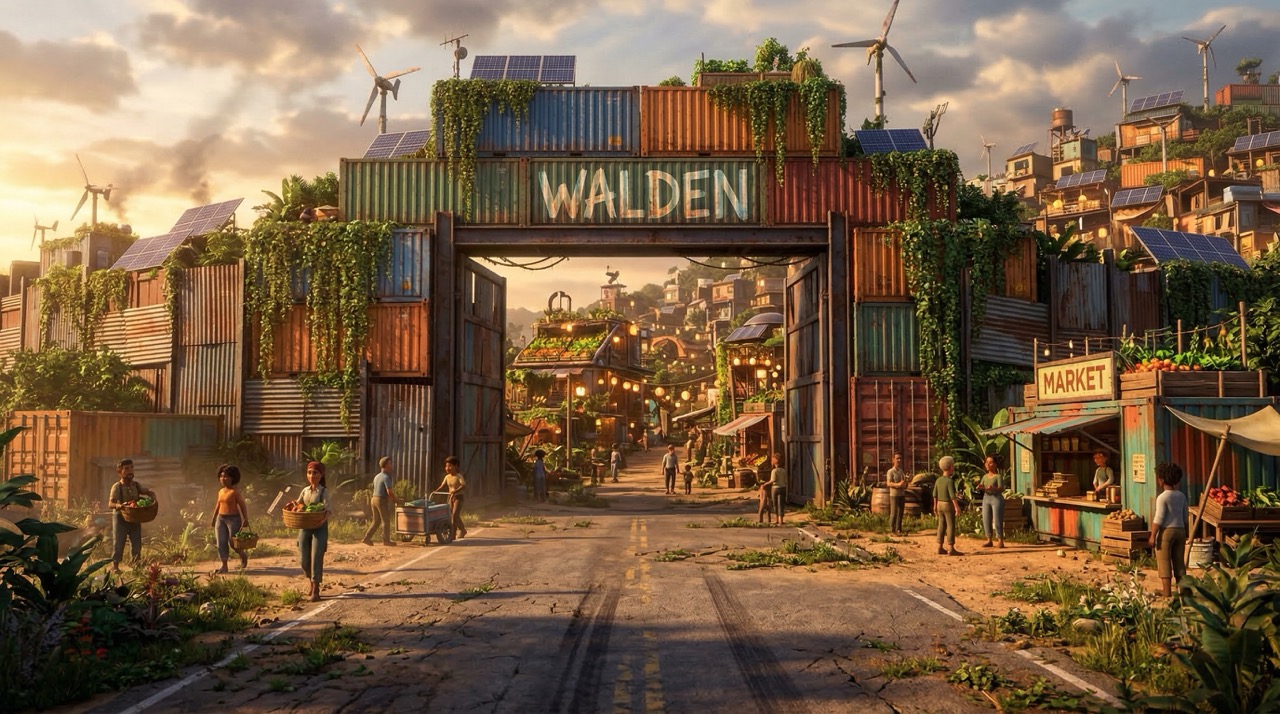
The simulator is waiting.